
24/7 Customer Support

Free returns

Same-day & Next-day Delivery

Quality Guaranteed

Unlock Your Welcome Offers: FREE Delivery | Up to 80% OFF | Free 30-day JoyPlus trial
Download the APP
As a Joybuy Product Recommendation Officer, my role is to help you navigate the crowded market of dog food. Choosing the right food for your companion can feel overwhelming, with countless brands making bold claims. This guide will help you understand the key factors that matter, avoid common purchasing mistakes and find a food that truly suits your dog's needs and your budget.
The aisles are filled with clever marketing. Many well-meaning UK owners fall into traps that can be costly and may not benefit their dog. Here are three to watch out for.
To make an informed choice, focus on these three practical parameters.
A dog's nutritional needs change dramatically throughout its life.
Kibble size is also important. Small-breed foods have smaller kibble to prevent choking and suit smaller mouths, while large-breed kibble is bigger to encourage chewing.
Both wet dog food and dry dog food can provide excellent nutrition, but they serve different purposes.
Many owners find a combination of both works well, using wet food as a tasty topper on a base of dry kibble.
If your dog has particular health concerns, you will need to look for specialised formulas.
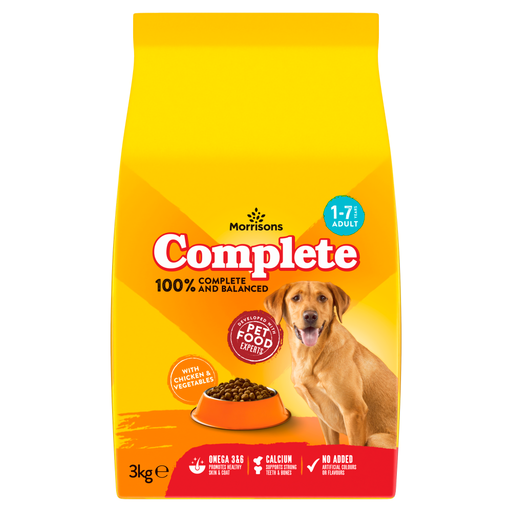
Why This Fits Their Persona: This food provides a straightforward, nutritionally balanced diet for a typical adult dog without the premium cost of specialised formulas. It is an ideal choice for owners seeking reliable, everyday nutrition on a budget.
It is clearly labelled as a 100% complete and balanced food, ensuring your dog gets all necessary nutrients and avoiding the "complete vs. complementary" trap. It offers a practical, no-frills approach to nutrition.
Contains Omega 3 & 6 for skin and coat health, plus calcium for strong bones. It is a very cost-effective option for a complete daily diet.
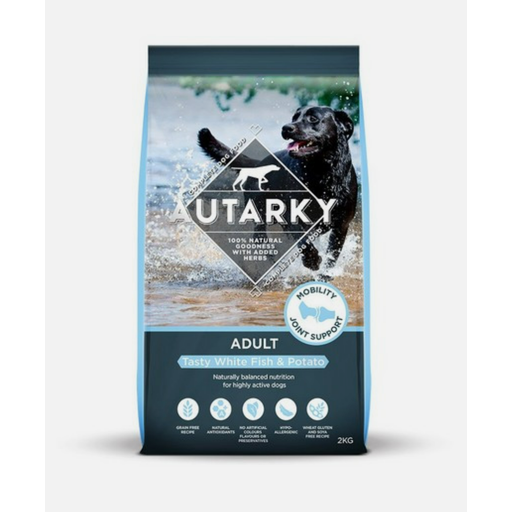
Why This Fits Their Persona: This is for the owner whose dog genuinely benefits from a specialised diet. Its grain-free recipe and use of white fish as the primary protein make it an excellent choice for dogs with poultry or grain sensitivities.
This food sidesteps the "vague meat" trap by clearly listing "white fish meal" and "freshly prepared fish" as its main protein sources. It is a targeted hypoallergenic dog food, not just a trendy grain-free option.
Includes a joint care blend with glucosamine and green-lipped mussel. The recipe is also free from artificial colours, flavours and preservatives.
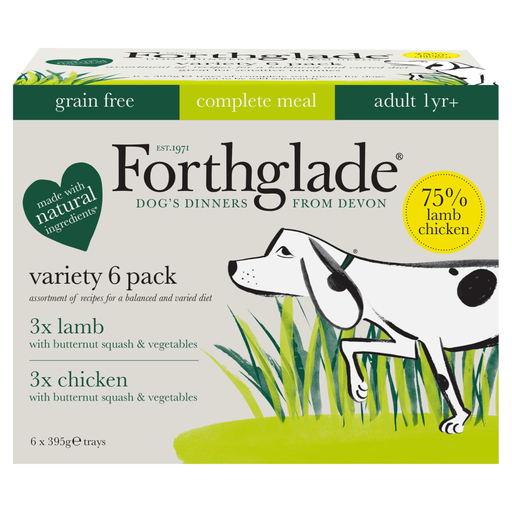
Why This Fits Their Persona: For owners who prioritise high meat content and natural ingredients, this wet dog food is an excellent fit. The gently steamed, grain-free recipe is ideal for those wanting to feed a diet closer to nature.
This food directly counters the "vague meat content" trap by proudly stating its 75% meat content (lamb or chicken) on the front of the pack. It is also clearly defined as a complete meal, not a topper.
The high meat percentage and natural, grain-free ingredients are highly palatable. It also includes botanicals, prebiotics and joint support (glucosamine and chondroitin).
We have compiled a complete, real-time list of products that fully satisfy these strict selection criteria and UK safety regulations.
To avoid digestive upset, you should transition your dog to a new food gradually over 7-10 days. Start by mixing a small amount of the new food (around 25%) with their old food (75%). Every few days, increase the proportion of the new food while decreasing the old, until you are feeding 100% of the new diet.
The correct amount depends on the specific food's calorie content, as well as your dog's age, breed, weight and activity level. Always check the feeding guide on the packaging, which provides a recommended daily amount based on weight. Remember that these are just guidelines; you may need to adjust the portion to maintain your dog's ideal body condition. If you are unsure, consult your vet.
Neither is inherently "better"; the right choice depends on your dog's individual needs and your lifestyle. Dry food is great for dental health, convenience and budget. Wet food is excellent for hydration and palatability, making it a good option for fussy eaters or dogs with dental problems. Many owners find that a mixed-feeding approach, combining both wet and dry, offers the benefits of both.