
24/7 Customer Support

Free returns

Same-day & Next-day Delivery

Quality Guaranteed

Unlock Your Welcome Offers: FREE Delivery | Up to 80% OFF | Free 30-day JoyPlus trial
Download the APP
As a nation of dog lovers, we want what’s right for our four-legged family members. Yet, navigating the crowded aisles of dog food can feel overwhelming. With so many brands making bold claims, it’s easy to fall into common purchasing traps. My role as Joybuy’s Product Recommendation Officer is to help you see past the marketing clutter and focus on what truly matters for your dog's health and your budget.
This guide will break down the key factors to consider, helping you select a food that genuinely meets your dog's needs without overpaying for features you don't need.
Before you add anything to your basket, be aware of these frequent marketing tactics that can lead to confusion and wasted money.
natural dog food might be free from artificial colours and flavours, this label doesn't guarantee high-quality core ingredients. The protein source could still be a vague, low-grade mix.Grain free dog food has become incredibly popular. It is essential for dogs with a diagnosed grain allergy or sensitivity. However, for the average dog, grains are a perfectly healthy source of energy and fibre. Many grain-free formulas simply replace grains with other starches like potato or lentils, which aren't inherently superior and can significantly increase the price.dry dog food, most of this water is removed. This means the actual meat contribution to the final kibble is far less than you might think. A named "meat meal" (e.g., "chicken meal") is already rendered and concentrated, often providing a higher percentage of protein in the finished product.To make an informed choice, focus on these three non-negotiable parameters. They will tell you more about the food's quality than any flashy packaging.
In the UK, ingredients must be listed in descending order by weight. The first three to five ingredients make up the bulk of the food.
senior dog food) can offer added value.Choosing between wet dog food and dry kibble often comes down to your dog's preference, your lifestyle and your budget.
bulk dog food. The crunchy texture can help with dental hygiene by reducing tartar build-up. It's also easier to store and measure.dog food multipack pouches. Many owners use it as a tasty topper for dry kibble.The "Analytical Constituents" section on the label provides the nutritional breakdown. A young, active terrier has very different needs from a sedentary, elderly retriever.
working dog food formulas will have higher protein levels (20%+).hypoallergenic dog food for sensitivities or senior dog food with added joint support.Based on a clear analysis of ingredients, nutritional value and suitability for different UK households, here are some recommendations that align with our selection criteria.
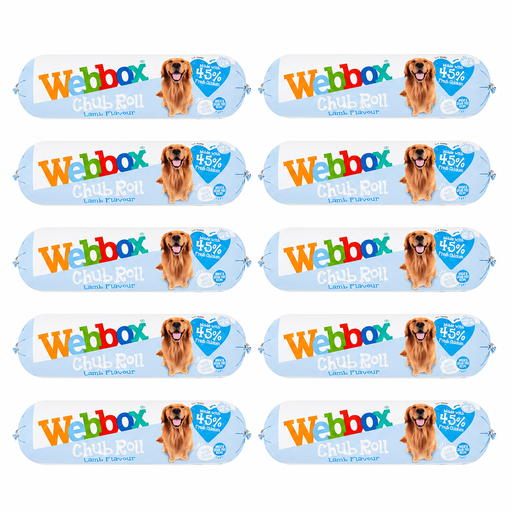
Why This Fits Their Persona: This bulk buy is ideal for owners of one or more adult dogs who need a complete, no-fuss meal that offers outstanding value. The soft roll format is versatile and easy to portion.
It avoids the "premium" illusion by being transparently a value-driven choice. Its primary selling point is providing complete nutrition in a cost-effective, bulk format, not making unsubstantiated claims.
Excellent value with a total weight of 7.2kg. Provides complete and balanced nutrition for adult dogs aged 1-7 years.
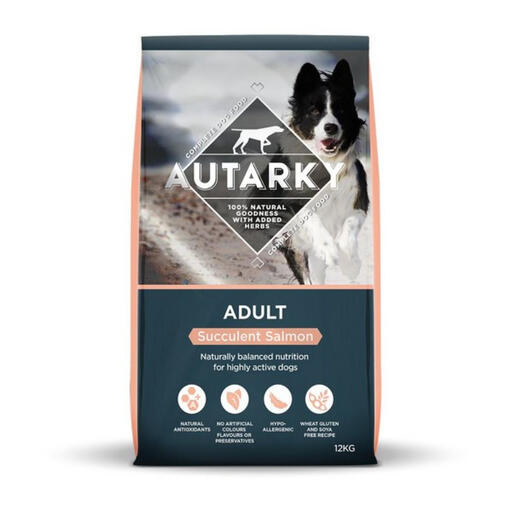
Why This Fits Their Persona: This is for the owner who carefully reads labels. The formula is free from common irritants like wheat gluten and soya, and the high salmon content is excellent for skin and coat health.
It avoids the vague meat content trap by clearly stating it contains 35% salmon. It also sidesteps the grain-free hype by focusing on being a targeted hypoallergenic dog food, excluding specific allergens rather than all grains.
Free from wheat gluten and soya. Rich in Omega fatty acids from salmon and linseed to support a healthy coat.
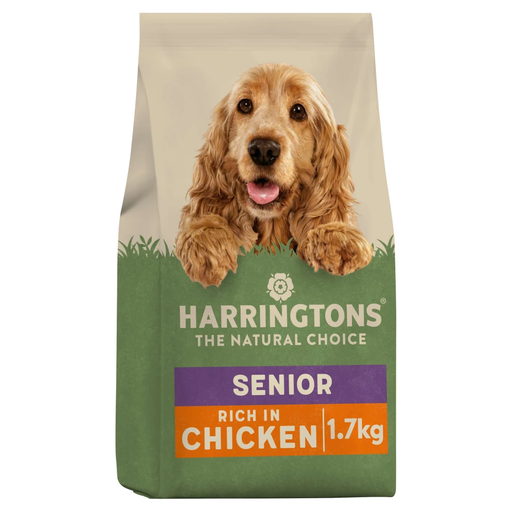
Why This Fits Their Persona: Perfect for owners of dogs aged 7+ who are becoming less active. This food is specifically formulated to support ageing joints and manage weight, with a lower fat content and added supplements.
This food provides a clear, functional benefit that goes beyond marketing. The inclusion of glucosamine (0.05%) and chondroitin (0.01%) is a specific, targeted solution for the needs of a senior dog, not a vague wellness claim.
Specifically formulated for senior dogs (7+ years). Contains added glucosamine and chondroitin for joint support and has a reduced fat content (7.5%).
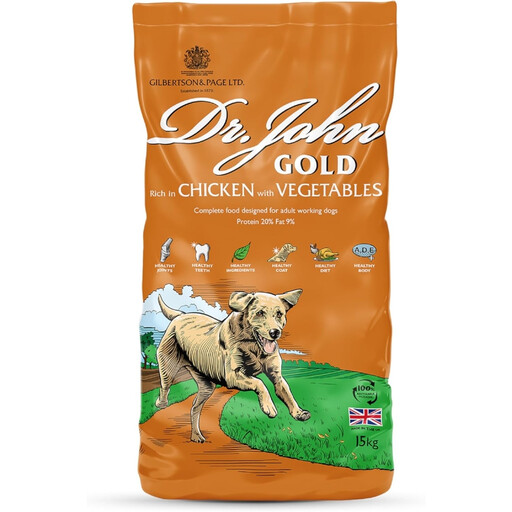
Why This Fits Their Persona: This is a no-nonsense, functional food for dogs that burn a lot of energy. It provides balanced protein (20%) and fat (9%) with whole grains for sustained fuel, all in a large, economical 15kg bag.
It defies the grain-free hype by using a whole-grain base for its intended purpose: providing slow-releasing carbohydrates for sustained energy. This is a functional choice for a working dog, not a marketing trend.
Formulated for active adult working dogs. The whole-grain base provides slow-releasing carbohydrates for sustained energy levels.
We have compiled a complete, real-time list of products that fully satisfy these strict selection criteria and UK safety regulations.
A sudden change in diet can cause digestive upset. It's important to transition your dog to a new food gradually over 7-10 days. Start by mixing a small amount of the new food (around 25%) with their old food (75%). Every couple of days, increase the proportion of the new food and decrease the old, until you are feeding 100% of the new diet.
This is a legally defined term for animal tissues from slaughterhouses, including parts that may not be sold for human consumption. While it is a source of protein, it is a non-specific term. This means the exact type of animal and the quality of the parts used can vary from batch to batch. Foods that list a specific meat, like "chicken" or "beef," offer greater transparency.
Generally, dry dog food is more economical on a per-serving basis. Because it is nutritionally dense and has low moisture content, a smaller volume of food is needed to provide the same calories. It also has a longer shelf life once opened. Wet food can be more expensive, but its high palatability means less waste with fussy eaters. Many owners find a good balance by using both, mixing a small amount of wet food with dry kibble to add flavour and moisture while keeping costs down.