
24/7 Customer Support

Free returns

Same-day & Next-day Delivery

Quality Guaranteed

Unlock Your Welcome Offers: FREE Delivery | Up to 80% OFF | Free 30-day JoyPlus trial
Download the APP
Choosing the right dog toy can feel like navigating a minefield of marketing claims and brightly coloured plastics. As a dog owner, you want something safe, engaging and durable for your companion. Yet, many of us have experienced the frustration of a toy, promised to be "indestructible," lasting mere minutes, or a "universally loved" toy being completely ignored.
As the Joybuy Product Recommendation Officer, my role is to help you see past the hype. This guide focuses on the common pitfalls UK dog owners face and provides a clear framework for selecting a toy that genuinely suits your dog's needs, ensuring your money is well spent.
Before you add another toy to your basket, be aware of these frequent traps that lead to disappointment and wasted money.
To avoid these pitfalls, focus on these key specifications. They are the non-negotiable factors that determine a toy's suitability and safety.
The material dictates how the toy will stand up to chewing and how safe it is for your dog.
A toy should match your dog's personality and needs.
Instead of a generic list, we've matched specific products to common UK dog owner profiles. This helps you find a toy that solves a real problem.
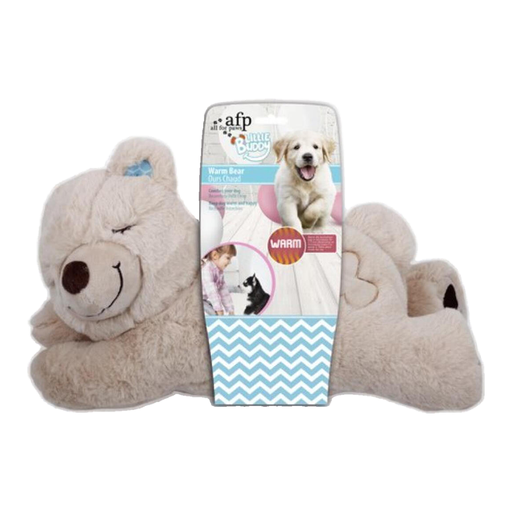
Why This Fits Their Persona: Perfect for a new puppy struggling with separation anxiety or adjusting to crate training. The gentle, therapeutic warmth from the microwaveable buckwheat pad mimics the comfort of a littermate, helping to soothe a lonely or crying pup without medication.
This is a purpose-built tool, not a generic chew toy. It avoids the "indestructible" myth by being positioned as a comfort object for supervised use, not for aggressive chewing.
Provides natural, non-medicinal anxiety relief. The plush exterior is machine washable for easy hygiene.

Why This Fits Their Persona: Ideal for owners of clever, food-motivated dogs who get bored easily. This interactive dog toy turns mealtime into a stimulating challenge. Filling it with kibble or treats encourages the dog to roll and chew, satisfying their natural foraging instincts and providing crucial mental exercise.
It sidesteps the material trap by using a specified BPA-free natural rubber that is food-safe. Its primary function is interaction, not just withstanding destructive chewing, giving it a clear purpose.
Combines play with feeding to prevent boredom. The textured surface also helps massage gums and clean teeth during use.
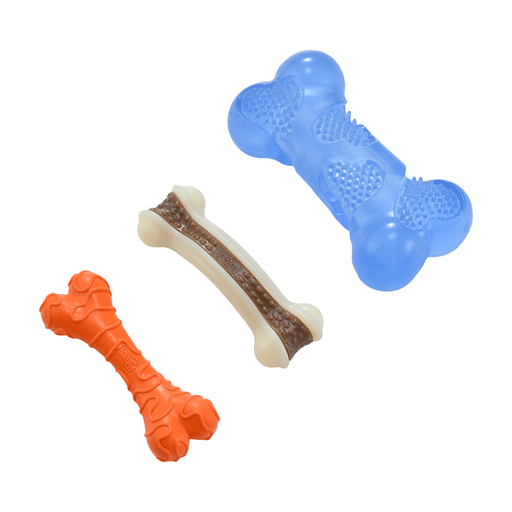
Why This Fits Their Persona: For the practical owner who needs a versatile and cost-effective solution. This set provides three different toys, combining durable nylon for heavy chewing sessions with softer TPR for gentle gum massage. The edible snack core adds an extra layer of engagement to keep a dog interested.
This set directly counters the "one-size-fits-all" trap by providing variety. It acknowledges that a dog's chewing needs can vary, offering different materials and shapes in one package.
Excellent value with three distinct toys. The combination of Nylon and TPR materials caters to both dental cleaning and gentler play.
We have compiled a complete, real-time list of products that fully satisfy these strict selection criteria and UK safety regulations.
There is no fixed schedule. The most important practice is regular inspection. Check toys daily or after every play session for signs of significant wear. You should discard and replace a toy if you see cracks, if pieces are breaking off or if it has been chewed down to a size that could be accidentally swallowed by your dog.
For most dogs, yes, provided they are used under supervision. The primary safety concern is the small plastic squeaker inside. If a dog is a destructive chewer, they may tear the toy open and ingest the squeaker. If your dog is prone to destroying toys, choose more durable options or only allow access to squeaky dog toys when you can watch them. Discard the toy immediately if it is torn open.
The key difference is material hardness. Teething toys for puppies are typically made from softer, more flexible materials like pliable rubber or TPR. This is to soothe their sore gums and be gentle on their developing teeth. Toys for adult dogs, especially dog chew toys, are often made from harder, more durable materials like nylon or dense rubber to withstand the pressure of a fully developed jaw.