
24/7 Customer Support

Free returns

Same-day & Next-day Delivery

Quality Guaranteed

Unlock Your Welcome Offers: FREE Delivery | Up to 80% OFF | Free 30-day JoyPlus trial
Download the APP
Finding the right pair of shoes can feel like a minefield of marketing claims and fleeting trends. Whether you're searching for everyday trainers, performance running shoes or comfortable slides, it's easy to end up with footwear that disappoints. As a Joybuy Product Recommendation Officer, my role is to help you navigate the options and focus on what truly matters for durability, comfort and value. Let's look at the common missteps and how to avoid them.
Before you add another pair to your basket, be aware of these frequent purchasing mistakes that lead to buyer's remorse.
To ensure your next pair of shoes is a sound investment, focus on these core parameters. They are the foundation of good footwear, whether you're buying for style, sport or relaxation.
The upper is everything above the sole, and its material dictates the shoe's breathability, flexibility and durability.
The midsole and outsole are the unsung heroes of any good shoe, providing cushioning, support and grip.
Never assume your size. Always check the brand's specific sizing chart, which usually provides a measurement in millimetres or centimetres. Measure your foot length from heel to toe and compare it to the chart for the most accurate fit, especially when buying performance men's footwear or women's footwear online.
Instead of a generic list, here are a few footwear options matched to specific needs and lifestyles, helping you find a pair that truly works for you.
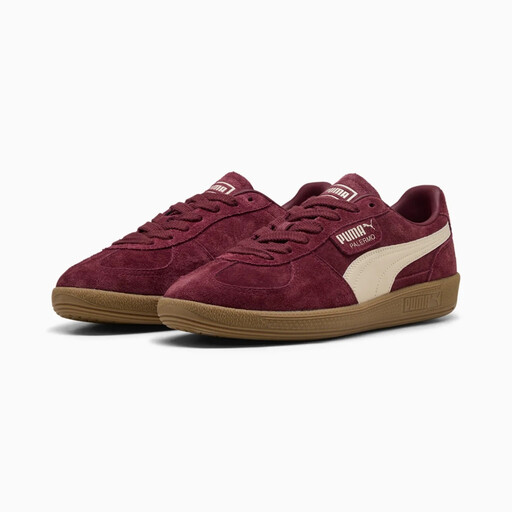
Why This Fits Their Persona: This shoe masterfully blends retro football heritage with contemporary streetwear flair. It's a versatile and stylish choice for navigating UK city life, pairing effortlessly with jeans or casual trousers for a polished, everyday look.
It sidesteps the poor materials trap with a premium suede upper and a durable rubber outsole, ensuring it's built for longevity, not just for a season.
Timeless terrace design with quality construction. The leather components are sourced from responsible manufacturing via the Leather Working Group.
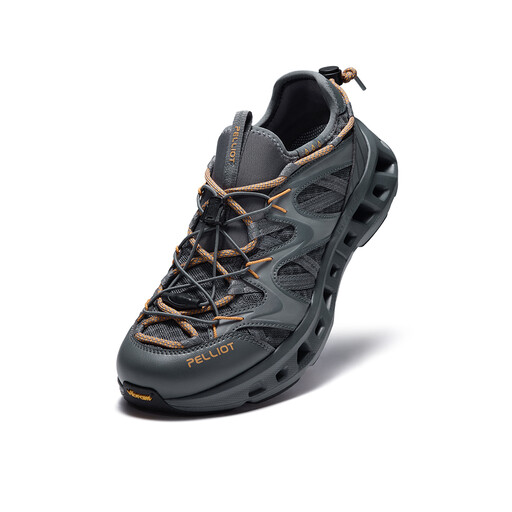
Why This Fits Their Persona: Perfect for those who enjoy hiking, coastal walks or wild swimming in the UK. This is a purpose-built amphibious shoe designed to handle wet rocks, streambeds and muddy paths with confidence.
This shoe directly counters the "one-shoe-fits-all" myth. Its Vibram Megagrip outsole and rapid drainage system are specialised features that a standard trainer simply cannot offer.
Exceptional traction on wet surfaces and an ultra-lightweight design (approx. 352g) that reduces fatigue during long treks. The quick-lace system is a practical touch.
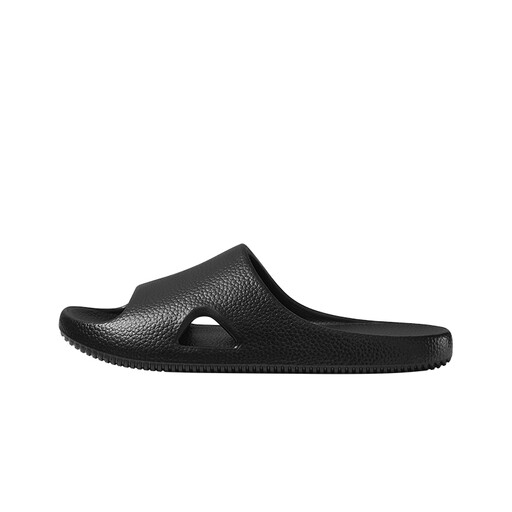
Why This Fits Their Persona: For those who prioritise everyday comfort at home or for quick errands. These minimalist slides offer a step up from basic slippers, providing functional support for a relaxed lifestyle.
Unlike flimsy, unsupportive slides, these are built with a focus on function. The one-piece moulded EVA construction includes arch support and noise reduction properties.
The lightweight, thin sole provides a barefoot-like feel, while side drain holes add breathability and make them suitable for use after a shower.
We have compiled a complete, real-time list of products that fully satisfy these strict selection criteria and UK safety regulations.
The most reliable method is to measure your foot. Place your heel against a wall and measure the distance to the tip of your longest toe in millimetres. Then, consult the specific brand's size chart on the product page. If you are between sizes, it's often recommended to choose the larger size for a more comfortable fit, especially for running shoes where feet can swell.
A general guideline for dedicated running shoes is to replace them every 300 to 500 miles. However, this depends on your running style, body weight and the surfaces you run on. A more practical indicator is to pay attention to the feel. If the cushioning feels less responsive or you start to notice new aches in your joints after a run, it's likely time for a new pair. Visible signs of wear on the outsole are also a clear signal.
While the terms are often used interchangeably, they describe footwear with different purposes. Running shoes are specifically engineered for the forward motion of running, featuring enhanced cushioning to absorb impact and a design that promotes a smooth heel-to-toe transition. Trainers (or cross-trainers) are designed for multi-directional movement, offering more lateral support for activities like gym workouts, court sports or general daily wear. They are typically more versatile but less specialised for long-distance running.