
24/7 Customer Support

Free returns

Same-day & Next-day Delivery

Quality Guaranteed

Unlock Your Welcome Offers: FREE Delivery | Up to 80% OFF | Free 30-day JoyPlus trial
Download the APP
From washing up to tending the garden, a good pair of gloves is an everyday essential for protecting our hands. Yet, finding a pair that fits well, lasts more than a few weeks and is actually suited for the task can be surprisingly difficult. Many of us have experienced the frustration of buying gloves that are either too flimsy, the wrong size or simply not up to the job.
As the Joybuy Product Recommendation Officer, my role is to help you navigate the market and avoid common purchasing mistakes. Before you spend another pound on a pair that disappoints, let's look at the frequent pitfalls and what really matters when selecting your next pair of gloves.
Common Pitfalls to Avoid:
household gloves that can't withstand regular contact with detergents and warm water.rubber glove can be uncomfortable for prolonged gardening sessions.To ensure you get a pair of gloves that performs well and offers good value, focus on these core features rather than just the price tag.
The material of a glove dictates its durability, flexibility and suitability for different tasks.
washing up gloves, like many classic Marigold gloves. It offers excellent elasticity and a good "feel," but it can cause allergic reactions in some individuals.latex-free gloves.gardening gloves. The leather palm provides robust protection from thorns and abrasion, while the breathable spandex back offers flexibility and comfort.car wash mitt traps dirt effectively without damaging the surface.A glove is only as good as its fit. Look for specific design features that keep the glove in place and protect you from dirt or water.
kitchen gloves, these thickened cuffs prevent water from running down your arms when your hands are in the sink. They also add strength and make the gloves easier to pull on and off.gardening gloves and cycling gloves, an elasticated or fitted wrist creates a snug seal that keeps soil, debris and cold air out.The final consideration is how the glove helps you perform the task at hand.
household gloves to ensure you can securely hold onto wet, soapy dishes or cleaning tools.protective gloves absorbs perspiration and prevents that clammy, uncomfortable feeling during extended use.Based on these practical criteria, here are a few options from our catalogue, matched to specific user needs.
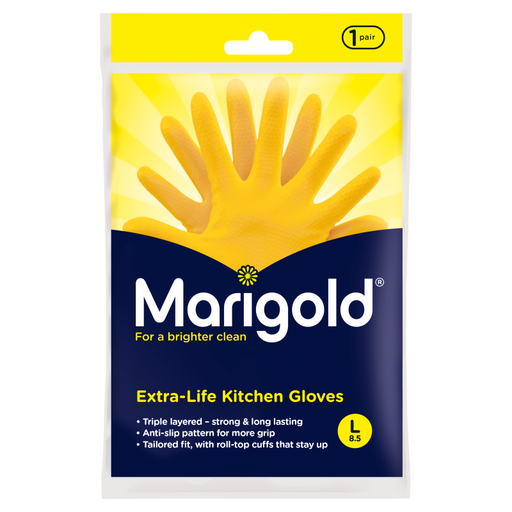
Why This Fits Their Persona: For those who spend significant time on household cleaning, these gloves offer a combination of protection and comfort. They are designed to withstand daily encounters with detergents and warm water while keeping hands dry and comfortable.
The triple-layer design directly counters the durability illusion, offering enhanced resistance to wear and tear. Its roll-top cuffs stay up to prevent water from seeping in, a common failure point in cheaper gloves.
Features a comfortable cotton lining to prevent clamminess and an anti-slip pattern for a secure grip on wet items.
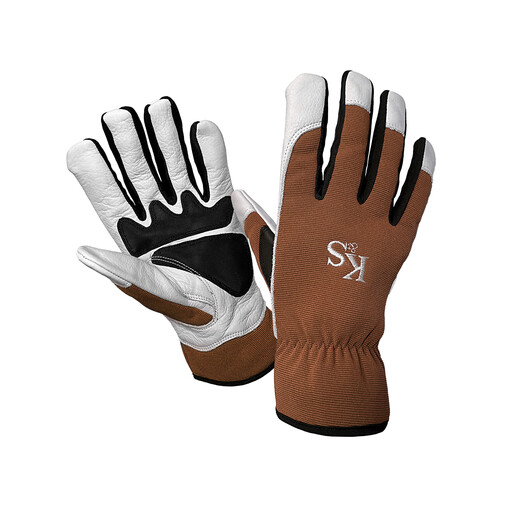
Why This Fits Their Persona: Ideal for the all-round gardener who handles everything from weeding and planting to pruning. These gloves are built to provide protection without sacrificing the dexterity needed for more delicate tasks.
This pair avoids the material mismatch trap by using a smart combination of premium leather for durability and grip, with a breathable spandex back for flexibility. The elasticated wrist ensures a snug fit, preventing soil from getting inside.
Reinforced PVC patches on the palm enhance grip and protection when handling tools. The ergonomic construction moulds to the hand for all-day comfort.
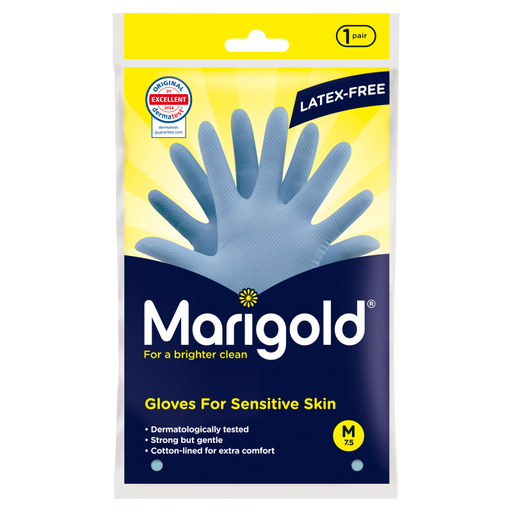
Why This Fits Their Persona: Specifically created for individuals whose hands react to standard rubber gloves or harsh detergents. These provide a reliable barrier during cleaning without causing irritation.
These gloves directly solve the material mismatch pitfall for those with sensitivities. They are completely latex-free and have been dermatologically tested, providing a safe alternative to traditional rubber gloves.
A soft cotton-lined interior enhances comfort and reduces friction. The tailored fit and anti-slip pattern ensure they are still practical and effective for daily chores.
We have compiled a complete, real-time list of products that fully satisfy these strict selection criteria and UK safety regulations.
The best way is to measure your hand. Most manufacturers provide a size chart. Typically, you measure the circumference of your dominant hand just below the knuckles (excluding the thumb). A good fit should be snug without being restrictive, allowing for a full range of motion. If you are between sizes, it's often better to size up slightly for comfort.
The main difference is the material. Latex is a natural rubber that is very flexible and provides great sensitivity, but it can trigger allergies. Nitrile is a synthetic, non-allergenic alternative that offers superior resistance to punctures and chemicals, making it more durable for heavy-duty cleaning, though it can feel slightly less flexible than latex.
Proper care is key. After each use, rinse your gloves inside and out with clean water to remove any detergent or chemical residue. Hang them up to air dry completely, away from direct sunlight, as UV rays can degrade the material. Storing them in a cool, dry place will help maintain their integrity for longer.