Choose nuts and free-from snacks by the exact ingredient or allergen your household needs to avoid, rather than by a broad “free from” label: a product labelled free from gluten, wheat, milk or egg may still contain peanuts, tree nuts or soya. If someone has a diagnosed allergy, check the ingredients and precautionary wording on the current pack against their individual advice; plain or unsalted mixed nuts are not automatically suitable.
Who needs to check what?
Households shopping for gluten-, milk-, egg- or wheat-free foods
Check the claim on each product, then read its ingredients for any other allergens your household avoids. Tesco’s Free From Ginger Nuts Biscuits, for example, are labelled free from those four categories but list soya flour.
Shoppers managing a diagnosed nut, peanut or sesame allergy
Check for the precise allergens named in the individual allergy plan, including both ingredients and precautionary wording. Peanuts and tree nuts are distinct categories, and mixed packs can contain several named nuts.
Weekly-shop buyers choosing nuts for snacks or cooking
Compare the nuts in the pack, whether oil or salt is added, and the pack’s storage instructions. An unsalted mix and a roasted salted mix need not contain the same kinds of nuts.
What matters when choosing?
Start with the household’s exact avoidance requirement, then compare the ingredients and format of products that meet it.
| Priority | What to check | Your needs |
|---|
| Exact free-from claim |
Read which ingredient or dietary category the claim names. Check the full ingredients list for other allergens; the Food Standards Agency says allergens used as ingredients in prepacked food must be emphasised there. |
I need to avoid a particular ingredient, not every food in a broad category. Tesco’s Free From Ginger Nuts Biscuits, for instance, list soya flour despite their gluten-, wheat-, milk- and egg-free claims. |
| Nuts and cross-contact |
Identify each named peanut or tree-nut ingredient. Read any “may contain” or other precautionary wording on the current pack; the Food Standards Agency explains that such wording signals possible unintended allergen presence. |
Someone in my household avoids a specific nut, peanut or sesame. I need the ingredients and precautionary wording to fit their individual allergy advice, rather than assuming a single-nut or unsalted pack is suitable. |
| Salt and format |
Compare the nut types, added oil and salt in the ingredients. If comparing nutrition labels, use the same basis, such as per 100g or the stated serving size. |
For routine snacks or cooking, I want to know whether I’m buying a plain mix, a salted mix or chopped nuts. Sainsbury’s unsalted and roasted salted mixed-nut examples contain different combinations of nuts. |
| Young children |
Check whether the product contains whole nuts or peanuts and consider the form in which it will be served. Kingston and Richmond NHS Foundation Trust advises against whole nuts for children under five because of choking risk. |
If the shop includes food for a young child, I need an age-appropriate form rather than a pack of whole nuts. |
Common mistakes to avoid
-
Assuming a free-from shelf covers every allergen
A claim about gluten, wheat, milk or egg does not answer a separate question about peanuts, tree nuts, sesame or soya. Tesco’s Free From Ginger Nuts Biscuits list soya flour.
Match the claim to the ingredient you need to avoid, and read the current pack’s ingredients and allergen wording before buying or serving it.
-
Treating unsalted mixed nuts as an allergy-safe choice
Sainsbury’s Unsalted Mixed Nuts contain almonds, peanuts, walnuts and hazelnuts. Its product information also warns customers allergic to other nuts about manufacturing methods.
Check every named nut and any precautionary warning against the household’s allergy plan; “unsalted” describes the format, not allergen suitability.
-
Reading “nuts” as if it includes every peanut warning
The Food Standards Agency distinguishes peanuts, which are legumes, from tree nuts. The distinction matters when a person’s diagnosed allergy requires them to avoid one category or both.
Look for the precise allergens specified in their clinical advice rather than relying on the word “nuts” alone.
-
Buying whole nuts for a child under five
Whole nuts pose a choking risk for young children, according to Kingston and Richmond NHS Foundation Trust.
For a young child, consider an age-appropriate crushed or ground form where nut introduction is appropriate, following individual medical advice if an allergy is diagnosed.
Brand and range references
These retailer examples show why a range name or nut format cannot replace the label on an individual product.
Sainsbury’s
Its listed mixed-nut examples include an unsalted pack and a roasted salted pack with different ingredients.
- Sainsbury’s Unsalted Mixed Nuts list almonds, peanuts, walnuts and hazelnuts; its Roasted & Salted Mixed Nuts list peanuts, almonds, cashews, hazelnuts, rapeseed oil and salt.
- The unsalted product warns customers allergic to other nuts, while a separate plain mixed-nut product also flags sesame because of manufacturing methods. Check the warning on the particular pack.
Tesco
Tesco’s Free From area groups products by categories including gluten and wheat, milk, and egg.
- Those categories offer a starting point when shopping for a named free-from requirement.
- The Tesco Free From Ginger Nuts Biscuits example lists soya flour. Check each product’s current ingredients rather than extending a range label to other allergens.
M&S
M&S lists natural-nut formats for uses including baking, cooking and snacking.
- Its Chopped Mixed Nuts product lists peanuts, almonds and walnuts, making the included nuts identifiable for that product.
- That chopped mix is marked unsuitable for people with nut, peanut or sesame allergies. Assess the individual product label, not the wider category.
Nut and snack options on Joybuy
These options span salted peanuts, chopped mixed nuts, chestnuts and nut-based snacks. Compare each current pack with the household’s exact allergen requirements; a place in this list does not establish allergy suitability.
 No image available
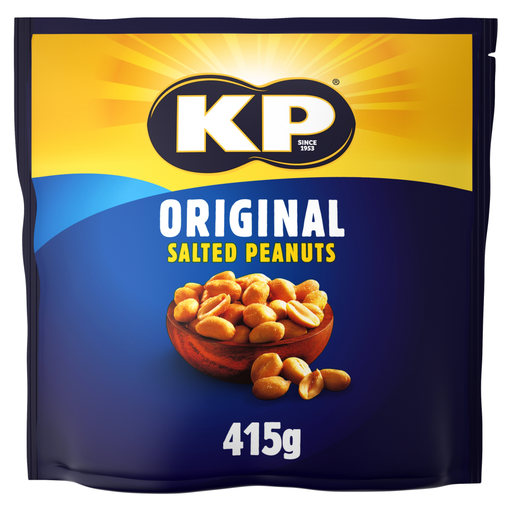
KP Snacks Original Salted Peanuts 415g
A whole-peanut snack for shoppers considering salted nuts. It contains peanuts; the supplied product information also warns people with allergies to other tree nuts or sesame. Check the current pack before buying for an allergy-managed household, and do not serve whole peanuts to a child under five.
View on Joybuy
 No image available
Nakd Peanut Delight 4 x 35g
A four-pack of 35g peanut-based bars. For a gluten- or milk-free shop, check the claim on the current pack alongside its complete allergen information. The supplied product information identifies peanuts and hazelnuts and warns of possible soya and other nuts.
View on Joybuy
 No image available
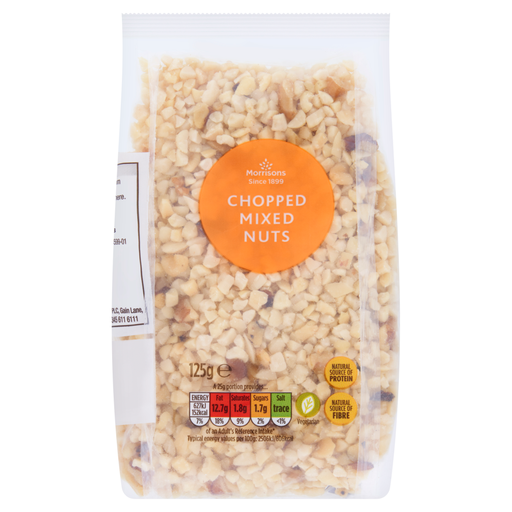
Morrisons Chopped Mixed Nuts 125g
A chopped mix to consider for cooking or baking when its ingredients suit everyone eating the finished food. The supplied product information identifies peanuts, almonds and walnuts, with a warning about possible other nuts and soya; check the current pack for the intended household.
View on Joybuy
 No image available
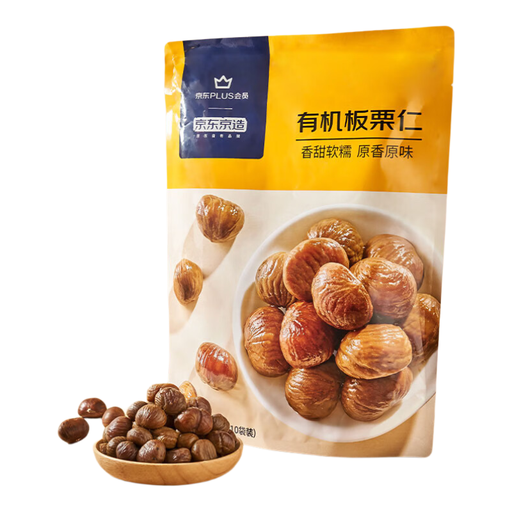
J.ZAO S++ Grade Whole Chestnuts 1 kg (10 sachets)
Whole, ready-to-eat peeled chestnuts in ten sachets. Chestnuts themselves matter to anyone who must avoid them; do not interpret an “allergens: none” statement as a guarantee for every individual allergy or possible cross-contact. Read the current pack’s ingredients and warnings.
View on Joybuy
 No image available
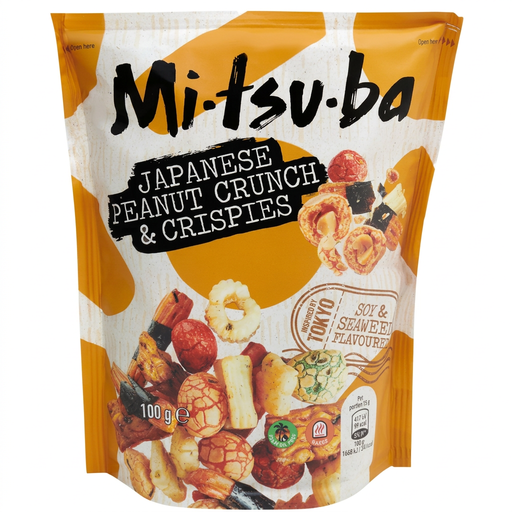
Mitsuba Japanese Peanut Crunch & Crispies 100g
A peanut-based snack mix for households where its declared ingredients are suitable. The supplied product information identifies peanuts, sesame, soya and wheat, and warns that other nuts may be present. It contains whole peanuts, so it is not a choice for a child under five.
View on Joybuy
Questions about nuts and free-from labels
Does “free from” mean a snack contains no nuts?
No: read which ingredient or category the particular claim names. Tesco’s Free From Ginger Nuts Biscuits are labelled gluten-, wheat-, milk- and egg-free but list soya flour, illustrating why a shopper must check the complete current ingredients for their own avoidance requirement.
Are peanuts and tree nuts the same thing on an allergen check?
No. The Food Standards Agency identifies peanuts as legumes and distinguishes them from tree nuts. Check whichever named allergens the person’s diagnosed allergy and clinical advice require them to avoid; that may mean checking both categories.
Where should I look for allergens on a prepacked nut product?
Read the current pack’s ingredients list and any precautionary allergen statement. The Food Standards Agency says allergens present as ingredients must be emphasised in the ingredients list; a precautionary statement addresses possible unintended presence and needs a separate check against the individual allergy plan.
Can I buy whole nuts for a child under five?
Do not serve whole nuts to a child under five: Kingston and Richmond NHS Foundation Trust identifies a choking risk. NHS guidance describes crushed or ground nuts and peanuts for babies during weaning; seek individual medical advice before introduction where an allergy is diagnosed.
How should I store nuts after opening?
Follow the instructions on the particular pack. For a weekly shop, check its storage and resealing directions before choosing a size you expect to use after opening.


