Hosts cooking several dishes
If squash wedges, a main and other sides all need oven time, focus on usable shelf positions and whether dishes can share one cavity or need separate ones.


Start with the space and electrical connection available in your kitchen, then consider how many dinner-party dishes need oven time together. A single fan oven can suit squash wedges and sides that can share a cavity; choose a double oven when dishes regularly need separate temperatures or timings. Consider a steam-combination oven if its wider cooking functions suit your routine, and check the exact model’s shelf layout, cooking modes and cleaning system before deciding.
If squash wedges, a main and other sides all need oven time, focus on usable shelf positions and whether dishes can share one cavity or need separate ones.
If serving time matters, look for information about heat distribution and temperature control where independent testing is available. Confirm the cooking modes on the exact oven you are considering.
If you frequently cook dishes that leave splashes or baked-on residue, compare the exact cleaning method. Pyrolytic, catalytic and steam-assisted systems are different features.
Choose the cavity arrangement around the dishes you usually cook together, then check that the oven fits the housing and electrical setup.
Consider it when: Your wedges and other dishes can share one cavity at compatible temperatures and timings.
Trade-off: Multiple shelves do not provide independently controlled cooking spaces.
Consider it when: Wedges and another course regularly need different temperatures or timings.
Trade-off: The Bosch MBA578BS7B and NEFF U2ACH7AG7B examples are each listed at 888 mm high, so check for suitable housing rather than assuming they will replace a single oven.
Consider it when: You will use steam functions for other meals as well as the oven’s roasting modes.
Trade-off: Steam functions alone do not establish better results for squash wedges; check the model’s hot-air mode and installation requirements.
| Concern | What to check | Who this matters to |
|---|---|---|
| Cooking several dishes | Compare shelf positions and tray space. If dishes need different temperatures, check whether separate cavities fit your kitchen. | When wedges compete with a main and sides for oven time, I need a layout that keeps service on schedule; around 36% of consumers put cooking several dishes first. |
| Predictable roasting | Look for independent information on heat distribution and temperature control where available, and confirm the exact cooking modes. | If guests are waiting for a meal, I want the roasting conditions and timing to be dependable; roughly 29% of consumers prioritise predictable roasting. |
| Clean-up after cooking | Identify the exact cleaning system and check its manual for cycle preparation and accessory requirements. | After a meal that leaves splashes or baked-on residue, I want clean-up to be manageable; around 21% of consumers make cleaning their primary concern. |
| Fit and connection | Check appliance and housing dimensions, connection type and electrical load against your kitchen. | If the new oven must fit an existing cabinet and supply, I need to settle installation requirements before cooking features; approximately 14% of consumers put fit and connection first. |
A litre figure does not tell you whether your roasting trays fit or whether dishes can cook at separate temperatures. A double oven also needs different housing space from a single oven.
Measure the cabinet and intended trays, then compare the exact model’s dimensions, shelves, included accessories and cavity arrangement.
Fan, steam and automatic programme names describe features, not how evenly a particular oven will cook a tray of squash. Which? considers heat distribution and temperature control when assessing ovens.
Consult independent testing where available and check the cooking modes of the exact model rather than deciding from its programme list alone.
Pyrolytic cycles, cleaning coatings and steam-assisted cleaning use different methods. A cleaning feature should be assessed separately from roasting performance.
Check the model’s specification and manual for the cleaning process, preparation and any accessories that must be removed.
Connection requirements vary by exact oven. Bosch lists a GB plug for the HHF113BA0B, while the NEFF U2ACH7AG7B specifies electrical connection by an electrician; confirm the requirements for the unit you order.
Check the model’s installation instructions, electrical load and cabinet dimensions against your kitchen before purchase. Electrical Safety First recommends using a registered electrician for installation or repair work.
Bosch has relevant single- and double-oven models for comparing cavity arrangements, cleaning systems and connection types.
NEFF is relevant if you are comparing selected multi-level CircoTherm single ovens with a built-in double-oven arrangement.
AEG is relevant if steam cooking would be useful beyond dinner-party vegetable roasting.
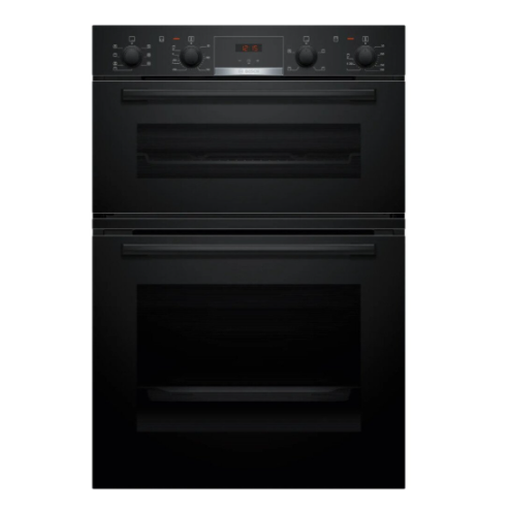
These built-in single and double ovens are relevant to roasting squash wedges alongside dinner-party dishes. A double oven offers separate cavities; for a single oven, check whether its cooking modes and usable tray layout suit dishes that need to share the space.
 No image available
Consider a double oven if squash wedges and another dish need separate cooking spaces. Check the required cabinet opening, ventilation and electrical connection for this exact model before ordering.
 No image available
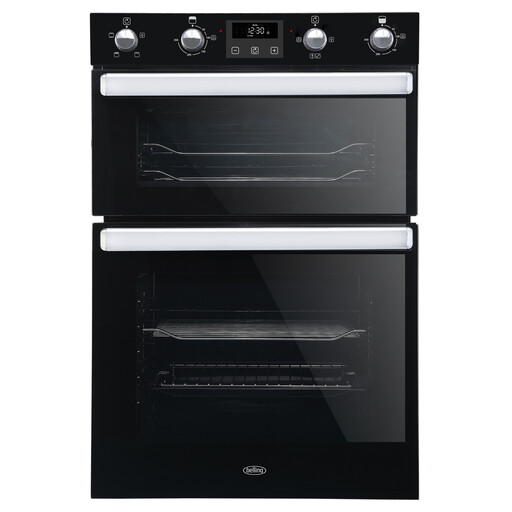
This double-oven format is worth considering when wedges and another course need separate cavities. Confirm the required housing dimensions and electrical installation requirements for the exact unit.
 No image available
A double oven gives you separate spaces to consider when planning wedges and other dishes. Check this model’s appliance and housing dimensions, connection requirements and electrical load against your kitchen.
 No image available
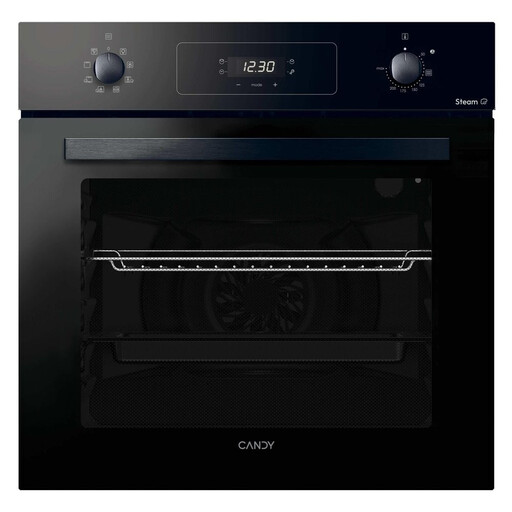
Consider this single oven when your dishes can share one cavity. Bosch describes its 3D Hotair function as supporting cooking on up to three levels; check tray fit and the exact unit’s installation instructions. Connection descriptions for this model differ, so confirm the required connection before ordering.
 No image available
This single oven is an option if your dinner-party dishes can use one cavity. Check the usable tray layout if several dishes must cook together, and confirm the connection arrangement in the installation instructions.
Choose a single oven if your wedges and other dishes can share a cavity at compatible temperatures and timings; consider a double oven if they regularly need separate cooking conditions. Check the housing before deciding: the Bosch MBA578BS7B and NEFF U2ACH7AG7B double-oven examples are each listed at 888 mm high.
Steam functions alone do not establish better results for squash wedges. The AEG PO8000ST combines hot-air, roasting and steam functions, so consider it if you would use those additional functions for other cooking tasks too.
Check the appliance and required housing dimensions, connection type, electrical load and your existing kitchen supply. Requirements differ by model: Bosch lists a GB plug for the HHF113BA0B, while NEFF specifies electrician connection for the U2ACH7AG7B. Confirm the installation instructions for the exact oven you order.