Shoppers looking for a fat-related claim
If reducing fat is the deciding factor, compare the claim on the exact bar with its fat declaration per 100 g and per bar. A “light” name alone does not answer the same question.


If reducing fat is your main reason for choosing a cereal bar, check the exact product’s fat claim and nutrition declaration rather than relying on words such as “light” or “protein”. In Great Britain, the low-fat claim for a solid food has a limit of 3 g fat per 100 g, while a reduced-fat claim makes a comparison with another product. For a delivered order, check whether substitutions are enabled and read the label on the pack you receive.
If reducing fat is the deciding factor, compare the claim on the exact bar with its fat declaration per 100 g and per bar. A “light” name alone does not answer the same question.
If you want a smaller snack, the calories and weight per bar can help you compare portions. Neither figure, on its own, establishes that a bar is reduced fat.
If particular ingredients matter, check the exact flavour before ordering and the delivered pack before eating it. A substitute may have a different recipe.
Start with the reason you are buying the bar, then compare the exact variant and decide whether a substitute would still meet your requirements.
| Priority | What to check | Your needs |
|---|---|---|
| Fat claim | Read the exact claim and fat per 100 g. For solid foods in Great Britain, the legislation.gov.uk nutrition-claims annex sets a maximum of 3 g fat per 100 g for a low-fat claim; “reduced fat” is a comparison, not that absolute limit. | I’m choosing by fat content, so a “light” name or a smaller bar is not enough to settle it. |
| Portion | Compare the weight and calories per bar as well as fat per bar. Keep the per-100 g figure alongside them when comparing different sizes. | A smaller snack may be what I want, even if the bar has no reduced-fat claim. |
| Nutrition | Read total fat, saturated fat and sugars for the exact flavour. Compare the same units across products rather than judging by protein, oats or fruit in a name. | I want to see the whole nutrition declaration before choosing a bar for one feature. |
| Ingredients | Check the product’s allergen declaration and the delivered label. The Food Standards Agency lists cereals containing gluten, milk, soybeans, peanuts and tree nuts among regulated allergens. | My chosen flavour needs to meet my ingredient requirements; a different flavour might not. |
| Substitutions | Review the retailer’s substitution setting before checkout. Tesco’s grocery terms say it may attempt a suitable substitute for an unavailable item unless you ask it not to. | If the claim or ingredients are essential, I would rather not receive a different bar in their place. |
A reduced-fat claim compares products; it does not say the bar meets an absolute low-fat limit. For solid foods in Great Britain, the legislation.gov.uk annex sets that low-fat limit at 3 g fat per 100 g.
If an absolute limit matters to you, check fat per 100 g. For a reduced-fat choice, read the comparison stated on the exact product and its full nutrition declaration.
Protein, oat, fruit and lower-sugar positioning cannot establish a bar’s total fat content. Action on Salt & Sugar’s 2025 analysis of 458 snack bars from 10 major retailers classified 55% as high in saturated fat and 37% as high in sugars under UK front-of-pack thresholds; those figures describe the bars reviewed, not shoppers’ preferences.
Compare total fat, saturated fat, sugars and portion size on the declaration for the flavour you intend to order.
A substitute can have different nutrition, ingredients or allergens, even when it serves the same snacking purpose.
If the exact recipe matters, decline substitutions in the retailer’s order settings and check the pack delivered. Tesco says it may attempt a substitute unless you ask it not to.
A brand or range name can help you find a format you like, but the fat claim and nutrition declaration belong to the exact bar and flavour.
Tesco Groceries lists Nature Valley Crunchy and Protein bars among its cereal-bar options.
Kellogg’s UK publishes a nutrition declaration for its Special K Red Berry Bar.
Graze positions its Oat Boost flapjacks around oats and sugar-related claims.
Tesco Groceries lists Eat Natural fruit-and-nut protein bars containing peanuts and almonds.
Tesco Groceries lists TREK protein flapjacks in several flavours.
These cereal-bar options include a Light-named variant, portion-sized bars and standard oat or fruit-flavoured bars. Their names alone do not establish that they meet a reduced-fat or low-fat requirement.
 No image available
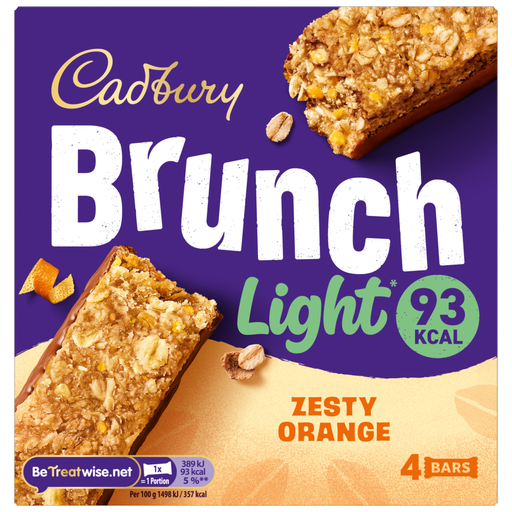
The Light name identifies this orange variant, but does not by itself establish a reduced-fat or low-fat claim. The pack is labelled 104 g in total; check its nutrition and allergen declarations if those details determine your choice.
 No image available
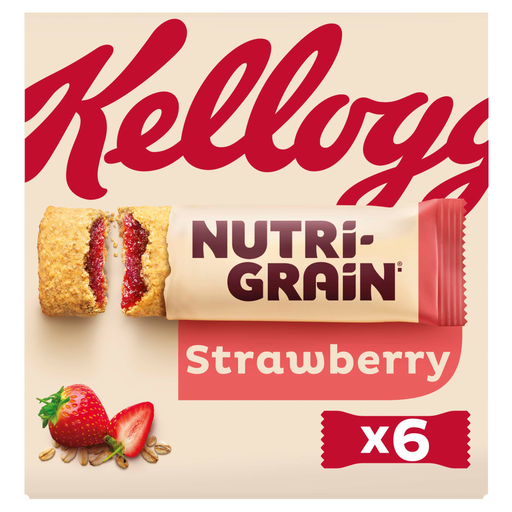
This strawberry six-pack is a standard cereal-bar option rather than one identified by its name as reduced fat. Its stated pack weight is 222 g; compare the exact bar’s fat per 100 g and per serving before choosing it for a fat-related requirement.
 No image available
This lemon-and-blueberry oat-bar option has a stated portion size of 30 g. Oat or sugar-related positioning does not establish reduced fat, so check this flavour’s total fat, saturated fat, sugars and ingredients.
 No image available
The stated 21.5 g bar size may help with a portion-based comparison, but it does not establish a reduced-fat claim. Check this pack’s own nutrition declaration rather than applying figures published for a different bar size.
 No image available
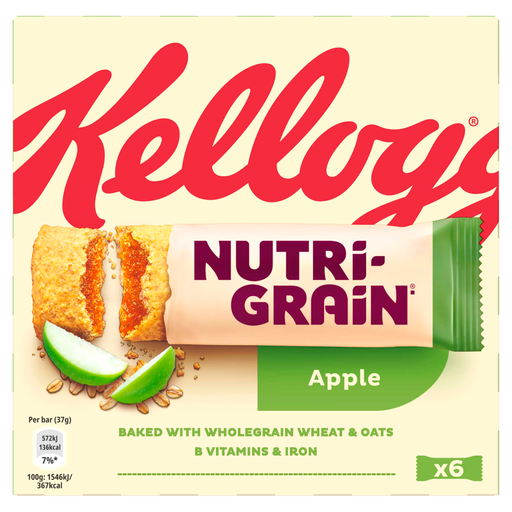
This apple-flavoured breakfast-bar six-pack has a stated total weight of 222 g. Its fruit flavour does not answer a fat-related buying question; check the exact variant’s claim, nutrition declaration and ingredients.
No. “Reduced fat” makes a comparison, whereas the legislation.gov.uk nutrition-claims annex sets a maximum of 3 g fat per 100 g for a low-fat claim on solid foods in Great Britain. Check the exact claim and fat declaration rather than treating the terms as interchangeable.
No. Protein and oats describe different features from total fat. Compare fat per 100 g and per bar, alongside saturated fat, sugars and portion size, on the exact flavour’s declaration.
Decline substitutions if a different claim or recipe would not meet your requirements. Tesco’s grocery terms say it may attempt a suitable substitute when an item is unavailable unless you ask it not to; check the delivered pack even when substitutions are declined.
Check the declaration for the exact bar and any pack delivered in its place. The Food Standards Agency lists cereals containing gluten, milk, soybeans, peanuts and tree nuts among regulated allergens; ingredients can differ between flavours and recipes.