Solo cereal eaters tracking breakfast carbohydrates
A predictable one-person portion can help you include the cereal’s declared carbohydrate in your usual approach. Count milk, yoghurt and toppings separately when working out the whole breakfast.


Choose a single-serve cereal by comparing the exact pack’s carbohydrate, sugars, fibre and serving weight rather than relying on “diabetic friendly” or “no added sugar” wording. A measured portion can make breakfast carbohydrate tracking more consistent, but the cereal, milk, yoghurt and toppings all need to fit your own diabetes-management approach.
A predictable one-person portion can help you include the cereal’s declared carbohydrate in your usual approach. Count milk, yoghurt and toppings separately when working out the whole breakfast.
Compare carbohydrate, sugars, fibre and serving weight instead of treating front-of-pack wording or a no-added-sugar claim as a shortcut.
Check the exact pack carefully: cereal and muesli may contain cereals with gluten, milk or nuts, even where the carbohydrate amount works for your meal plan.
Consider this when: you want a measured cereal portion with a stated wholegrain and fibre profile.
Check first: wheat and barley-derived ingredients may not suit every diet, and the cereal carbohydrate is only part of the finished bowl.
Consider this when: you prefer a measured mix of oats, flakes, nuts and dried fruit.
Check first: no added sugar does not remove sugars from ingredients such as raisins, and nut and milk allergens may apply.
Consider this when: the exact flavour’s serving label fits the carbohydrate amount you are planning.
Check first: nutrition and allergens can vary considerably between flavours and recipes.
| Priority | What to check | Your needs |
|---|---|---|
| Carbohydrate in the full breakfast | Use the carbohydrate figure for the stated pack weight; check whether the table is per serving or per 100g; add milk, yoghurt, fruit and toppings separately. | I want to know the carbohydrate in the dry cereal and everything added to the bowl, not just the cereal packet. |
| Fibre and grain quality | Compare fibre on the same serving basis; inspect the ingredients for wholegrains; check sugars and carbohydrate alongside fibre rather than in isolation. | I am looking for a cereal with a labelled wholegrain and fibre profile while keeping sight of the total carbohydrate and sugars. |
| Consistent solo portions | Confirm the pack’s actual weight; compare it with the nutrition-table serving basis; recheck the label when buying a new pack or flavour. | A repeatable dry portion makes it easier for me to record or estimate the cereal quantity at breakfast. |
| Ingredients and allergens | Read the ingredients, allergen declaration and precautionary statement on the exact pack; check dried fruit, nuts and recipe changes; do not assume another flavour is the same. | I need the cereal to fit allergy or dietary requirements as well as the nutrition information I am using. |
Alpen No Added Sugar Muesli lists 29g carbohydrate and 8.1g sugars per 45g serving, including sugars from ingredients such as raisins.
Compare carbohydrate, sugars and fibre for the actual pack portion, then include milk and toppings before deciding whether the breakfast fits your plan.
A labelled portion gives a transparent starting point, but serving recommendations vary between manufacturers and may not match your appetite or individual approach.
Use the packet weight to understand the cereal amount, then adjust the meal only in line with your own clinical advice and glucose-management approach.
The total carbohydrate eaten at breakfast includes milk, yoghurt, fruit and toppings as well as the dry cereal.
Calculate or estimate the carbohydrate for the complete bowl rather than relying on the cereal portion alone.
Examples in this category may contain wheat, barley, oats, milk, soy or nuts, and precautionary allergen statements can differ by product.
Read the exact pack’s ingredients, allergen declaration and precautionary statement before purchase instead of assuming another flavour or pack size is equivalent.
Relevant for solo breakfasts because individual 37.5g portions are listed by UK portion-pack suppliers, and Weetabix Original gives nutrition for two biscuits (37.5g).
Relevant when a measured muesli sachet is preferred: UK suppliers list Alpen Original and Alpen No Added Sugar individual portions, including a 45g No Added Sugar format.
Relevant because UK suppliers list several individual cereal portions, including Special K Original, Corn Flakes, Bran Flakes and Fruit 'n Fibre.
Relevant for shoppers considering Shredded Wheat and other Nestlé cereal lines; UK portion suppliers list Nestlé Shredded Wheat Double Portions at 45g.
Relevant for shoppers who prefer muesli or granola-style blends with wholegrain flakes, fruit, nuts and seeds.
These Joybuy options are individually portioned oat porridge sachets for a repeatable solo cereal breakfast. Compare the dry-sachet nutrition with the liquid and toppings you plan to use.
 Image unavailable
A fixed 38.5g oat sachet can provide a repeatable dry cereal portion for a solo breakfast.
Each sachet lists 23g carbohydrate, 0.4g sugars and 3.5g fibre before milk. It contains oats; check the exact pack if avoiding gluten-containing cereals.
Include the carbohydrate from milk or toppings, and note that the bigger-bowl portion may not match every preferred carbohydrate amount.
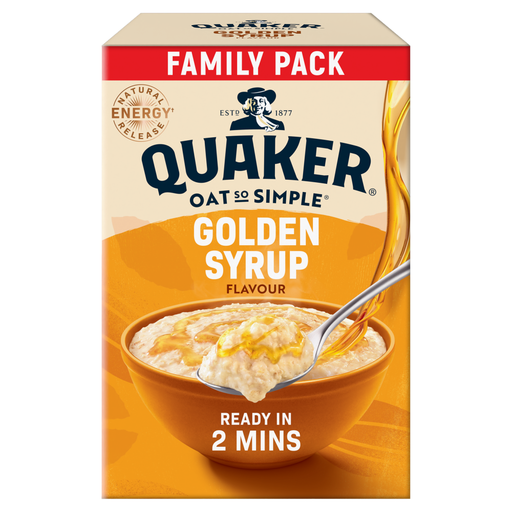 Image unavailable
Each 36g sachet gives a stated dry cereal portion for repeatable one-person breakfasts.
It lists 24g carbohydrate, 6.4g sugars and 2.6g fibre per sachet, with wholegrain oats listed first.
Milk used in preparation adds to the meal total. Check the exact allergen statement for oats, barley, wheat and soy.
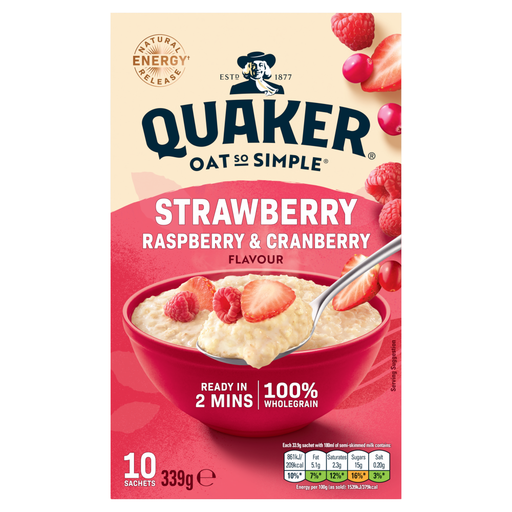 Image unavailable
Ten 33.9g sachets make the dry cereal quantity easy to repeat from breakfast to breakfast.
The recipe states 79% wholegrain rolled oats and provides carbohydrate, sugars and fibre in a per-100g nutrition table.
Use the sachet weight with the per-100g table before purchase if you need portion-specific figures, and include milk in the full breakfast calculation.
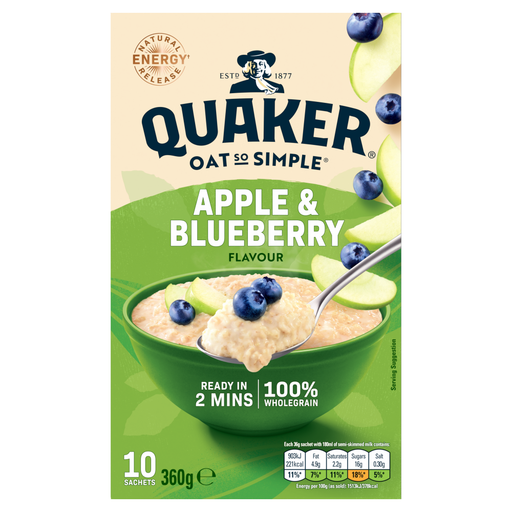 Image unavailable
This pack states ten 36g dry portions, which can support consistent solo breakfast preparation.
Each dry portion lists 25g carbohydrate, 7.7g sugars and 2.6g fibre, with 77% wholegrain oats stated in the recipe.
The recipe includes sugar and dried fruit. Nutrition shown with semi-skimmed milk is not the same as the dry cereal value.
 Image unavailable
Eight 43g sachets provide a fixed dry portion for individual porridge breakfasts.
The ingredients specify 66% wholegrain rolled oats, while carbohydrate and sugars are shown in a per-100g nutrition table.
Check the per-100g figures against the 43g sachet weight and include any milk used. Verify the allergen statement for oats, soy, milk, peanuts and nuts.
No. A single pack can make the cereal quantity easier to identify, but the total carbohydrate in the cereal, milk and toppings still matters alongside your individual treatment plan. Diabetes UK notes that both the type and amount of carbohydrate can affect diabetes management.
No. Alpen No Added Sugar Muesli lists 29g carbohydrate and 8.1g sugars per 45g serving and includes raisins. Check the per-serving carbohydrate and sugars figures rather than using the claim as a shortcut.
Use the carbohydrate figure on the exact cereal pack and include milk, yoghurt, fruit and other additions in the full meal amount. Diabetes UK says carbohydrate counting can help people using basal-bolus insulin match insulin to carbohydrate intake; personal insulin-to-carbohydrate ratios should be set with the diabetes healthcare team.
Yes. Recipes and nutrition values can change, so check the ingredients and nutrition declaration on the pack you are buying. Kellogg's states that recipes may be adjusted, and the Food Standards Agency states that prepacked foods in Northern Ireland must declare nutrition information.