
24/7 Customer Support

Free returns

Same-day & Next-day Delivery

Quality Guaranteed
Download the APP
Categories
Navigating the menstrual care aisle can feel overwhelming. With countless options differing in absorbency, material and applicator type, finding the right tampon for your body and lifestyle is a personal journey. Whether you prioritise comfort, environmental impact or specific materials for sensitive skin, making an informed choice is key to a more comfortable period.
As the Joybuy Product Recommendation Officer, my role is to help you understand the available options. This guide cuts through the marketing clutter to offer clear, practical advice, helping you select a product that truly meets your needs.
Before looking at specific products, it's helpful to understand the main features that differentiate them. Considering these three points will make your decision much easier.
Tampon absorbency is standardised across the industry to help you manage your flow safely. You will typically see the following levels:
It is always recommended to use the lowest absorbency necessary for your flow. This not only ensures comfort but also helps to reduce the risk of Toxic Shock Syndrome (TSS), a rare but serious condition associated with tampon use. You may find you need to use different absorbencies on different days of your period.
The insertion method is a major point of preference.
The material of a tampon can be an important factor, especially for those with sensitivities.
Based on common user needs and product features, here are a few recommendations from the wide selection available at Joybuy.
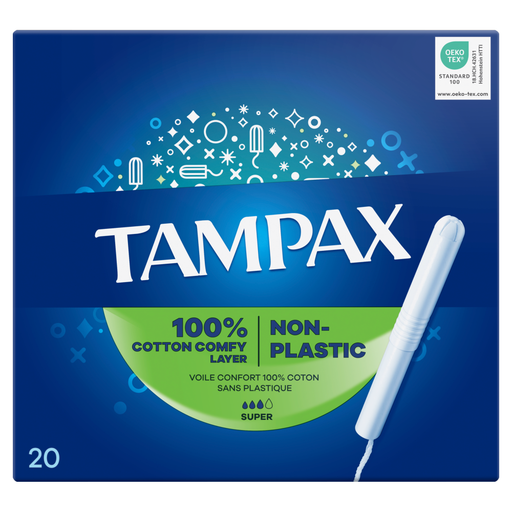
Why It Stands Out: This product offers a reliable solution for heavier flow days, combining high absorbency with thoughtful design. The biodegradable cardboard applicator features an anti-slip grip for controlled insertion, while an internal protective skirt acts as an additional barrier against leaks. It is also gynaecologically tested and certified against harmful substances.
Pros:
Who is it for?: Individuals with a heavier menstrual flow who prefer an applicator and are looking for a more environmentally friendly, biodegradable option.
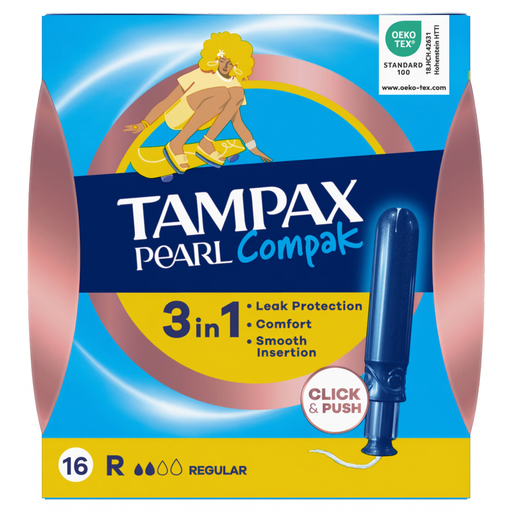
Why It Stands Out: Designed for discretion and comfort, these compact tampons are ideal for an active lifestyle. The SmoothTouch plastic applicator is small and easy to use, while the tampon itself is designed to gently expand to fit your body’s shape. A LeakGuard braid provides an extra measure of protection.
Pros:
Who is it for?: Those who prioritise comfort and discretion, need a reliable option for on-the-go use and have a light to medium flow.
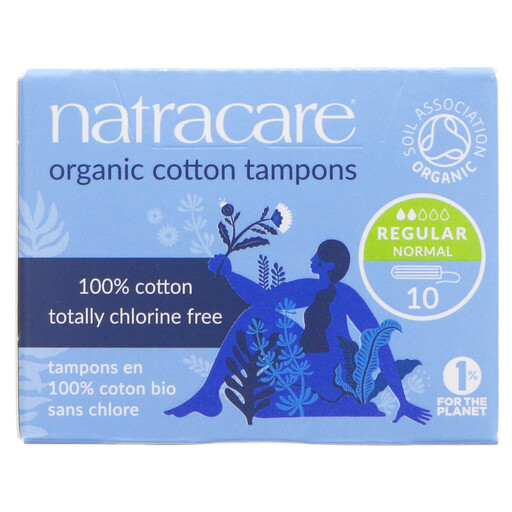
Why It Stands Out: Natracare offers a straightforward, minimalist product focused on natural materials. These non-applicator tampons are made from only 100% certified organic cotton, making them an excellent choice for those with sensitive skin or who prefer to avoid synthetic materials and plastics. They are also fully biodegradable and compostable.
Pros:
Who is it for?: Health and environmentally-conscious individuals who prefer a simple, plastic-free product and are comfortable with non-applicator tampons.
Everyone's period and preferences are unique. If the products above aren't quite what you're looking for, or if you'd like to explore other absorbencies, brands or even alternatives like menstrual pads, we have a wider selection available.
Explore our full range of [menstrual hygiene pad] products to find your perfect fit.
1. How do I know which tampon absorbency to use? Start with the lowest absorbency level (e.g., Regular) and see how it works for you. If you find you need to change your tampon more frequently than every 4 hours, you may need to move up to a higher absorbency. If after 8 hours it is still not fully saturated, you should switch to a lower one.
2. Can I use tampons if I have sensitive skin? Yes. If you have sensitive skin, consider using unscented tampons made from 100% organic cotton. These products are free from common irritants like fragrances, dyes and chlorine, which can help minimise discomfort.
3. What is the difference between cardboard and plastic applicators? The main difference lies in material and feel. Cardboard applicators are generally more eco-friendly and biodegradable. Plastic applicators are often perceived as being smoother and easier to insert, which some users, particularly beginners, may find more comfortable. Compact tampons almost always use plastic applicators to achieve their small size.