
24/7 Customer Support

Free returns

Same-day & Next-day Delivery

Quality Guaranteed

Unlock Your Welcome Offers: FREE Delivery | Up to 80% OFF | Free 30-day JoyPlus trial
Download the APP
As a Joybuy Product Recommendation Officer, my role is to help you navigate the crowded market of tools and equipment. Whether you're a seasoned tradesperson or a weekend DIY warrior, selecting the right tool can be the difference between a job well done and a frustrating, costly mistake. This guide will help you identify common purchasing pitfalls and focus on the features that truly matter for performance and longevity.
Many shoppers are swayed by clever marketing, only to find their new purchase isn't up to the task. Here are three common traps that catch out UK buyers:
To avoid these traps, focus your attention on a few non-negotiable parameters. These objective markers of quality will help you choose tools that perform reliably for years.
The material is the foundation of any good tool. For metal components, look for specific alloys that offer durability.
A well-designed tool should feel like a natural extension of your hand. This is crucial for both safety and precision.
A general-purpose tool can handle many jobs, but a specialised tool will almost always do a specific job better. Consider the unique demands of your task. A plumber needs an adjustable wrench with a wide jaw, while an electronics technician requires a precision screwdriver set. Similarly, for heavy-duty cutting tools, a coarse handsaw like the IRWIN Jack 770UHP is built for fast crosscuts in timber, a task where a fine-toothed saw would struggle.
Based on these practical criteria, here are some recommendations matched to specific user needs.
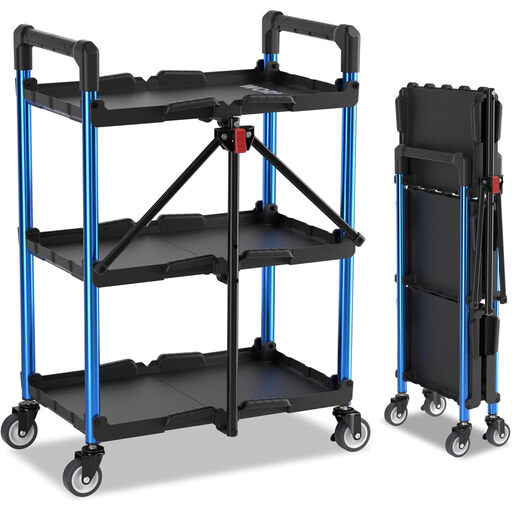
Why This Fits Their Persona: Ideal for tradespeople or home DIYers who need mobile, organised access to their tools but are short on space. This cart provides excellent workshop storage that can be moved around a garage or folded away neatly.
It sidesteps the flimsy storage trap. Made from high-quality aluminium and reinforced PP, it supports up to 96 kg and comes fully assembled, unlike wobbly flat-pack alternatives.
Its main benefit is the space-saving design; it folds to just 14 cm thick. The four swivel casters (two with brakes) ensure smooth and stable movement.
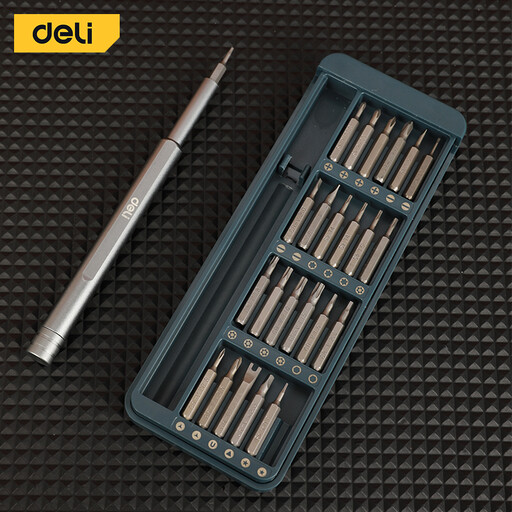
Why This Fits Their Persona: Perfect for anyone repairing electronics, glasses, watches or game consoles. This set provides the specialised bits needed for intricate jobs where standard DIY hand tools are too large.
This avoids the "all-in-one kit fallacy" by being a focused, high-quality set. The bits are made from durable CRV steel, preventing the stripping and wear common in cheap, oversized kits.
Its compact, magnetic case keeps 24 specialised bits organised and accessible. The ergonomic, non-slip handle ensures precise control for delicate tasks.
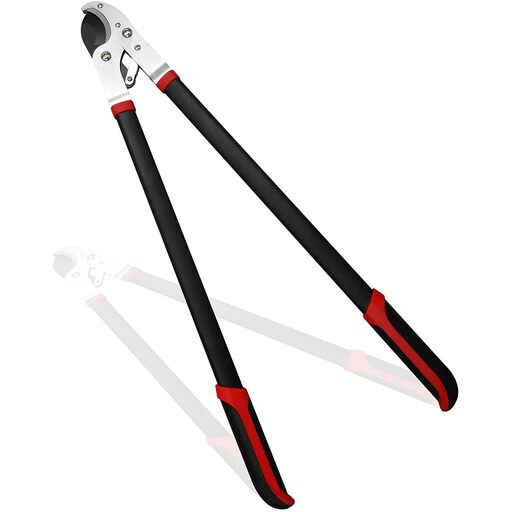
Why This Fits Their Persona: For gardeners tackling overgrown shrubs and thick branches. This is a serious piece of gardening equipment designed for cutting woody growth that secateurs can't handle.
It cuts through the "professional grade" hype with clear specifications. The high-carbon steel blade and a stated cutting capacity of up to 5 cm prove its capability, while the long handles directly address ergonomics by providing leverage.
The 22-inch handles provide excellent leverage, making it easier to cut thick branches. The blade's Teflon coating reduces friction and resists rust.
We have compiled a complete, real-time list of products that fully satisfy these strict selection criteria and UK safety regulations.
1. How can I tell if a tool is truly ergonomic? An ergonomic tool should feel comfortable and balanced in your hand. Look for features like contoured, soft-grip handles that reduce pressure points, anti-vibration properties in power tools and a design that allows you to work with a neutral wrist position. A good ergonomic hand tool reduces fatigue and improves control over long periods.
2. What is the difference between carbon steel and Cr-V steel in hand tools? Standard carbon steel is a common material for affordable tools, but it can be prone to chipping or deforming under high stress. Chromium-Vanadium (Cr-V) steel is a superior alloy that is much tougher and more resistant to wear and fatigue. This makes it the preferred material for professional trade tools like spanners, sockets and screwdriver bits that need to withstand high torque.
3. Is it better to buy a large tool kit or individual tools? For a complete beginner, a small, well-chosen starter kit can be a good entry point. However, for most tradespeople and serious DIY enthusiasts, buying individual tools is more economical in the long run. This approach allows you to invest in high-quality, specialised items you will actually use, rather than accumulating a box of low-quality filler tools from a generic DIY hand tools set.