
24/7 Customer Support

Free returns

Same-day & Next-day Delivery

Quality Guaranteed

Unlock Your Welcome Offers: FREE Delivery | Up to 80% OFF | Free 30-day JoyPlus trial
Download the APP
Choosing the right wine glasses can feel surprisingly complicated. You want something that looks elegant on the dinner table but doesn't shatter at the slightest touch or emerge from the dishwasher looking cloudy and worn. With so many styles and materials available, it's easy to fall for marketing hype and end up with a cupboard full of glassware that is impractical for your home.
As a Joybuy Product Recommendation Officer, my role is to help you navigate these choices. This guide cuts through the clutter, focusing on the practical details that ensure you select wine glasses you will enjoy using for years to come, whether for a quiet evening in or for hosting friends and family.
Before we explore what makes a great glass, let's look at the common traps that lead to buyer's remorse. Being aware of these can save you both money and frustration.
To avoid these pitfalls, focus on a few key features. Understanding these will empower you to choose glassware that balances aesthetics with everyday practicality.
The material of your glass is the foundation of its look, feel and durability.
The shape of a wine glass is not just for show; it is engineered to enhance the aroma and taste of the wine.
A common point of failure is where the stem meets the bowl or the base. Look for stemmed wine glasses with features like reinforced stems. Some manufacturers use anti-abrasion treatments or create seamless stems that are less prone to snapping. The rim should also be considered; a laser-cut rim is exceptionally fine for a smooth sipping experience but can be more prone to chipping than a thicker, rolled rim.
Here are a few selections that match different needs and lifestyles, chosen because they successfully balance design, function and durability.
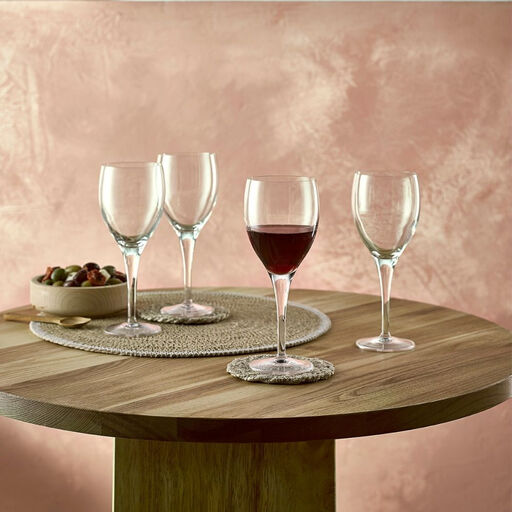
Why This Fits Their Persona: This set is ideal for those who host regularly and need reliable, stylish glassware. The classic shape is versatile and the set of 4 is perfect for small dinner parties. It offers a premium feel without the anxiety of extreme fragility.
It directly counters the "fragility" and "dishwasher-safe illusion" pitfalls. According to the manufacturer, its Sparkx technology produces durable glass that retains its clarity and the titanium-reinforced stems increase resistance to breakages during handling and washing.
Features lead-free crystal glass for high transparency and reinforced stems for enhanced durability. It is designed to be dishwasher safe while retaining its sparkle.
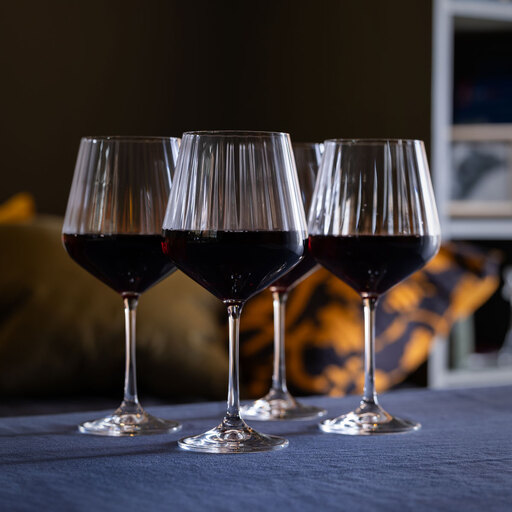
Why This Fits Their Persona: For those who want their tableware to make a statement, the optic design of these glasses adds a visual texture that catches the light beautifully. They offer the elegance of crystal with a modern twist, perfect for elevating a special occasion.
This set avoids the "fragility as elegance" trap by using durable, lead-free crystal. The stunning optic effect provides a premium look, but the glasses remain practical as they are dishwasher safe, making them suitable for more than just display.
The distinctive optic design adds sparkle and sophistication. The generous 570ml capacity is ideal for aerating bold red wines and the set is made from quality lead-free crystal.
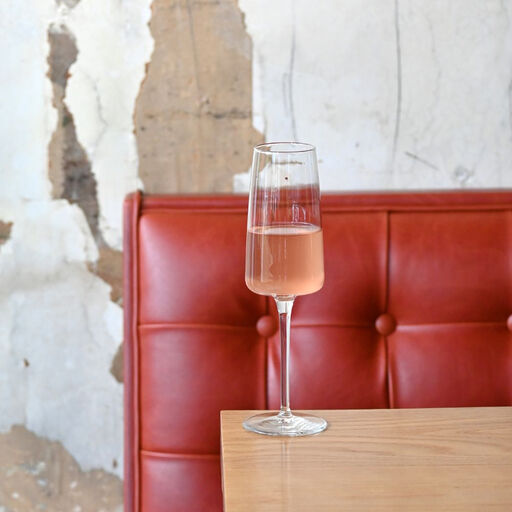
Why This Fits Their Persona: For someone who regularly enjoys Prosecco, Cava or Champagne, having the correct glass is non-negotiable. This modern, tapered flute is specifically designed to enhance the sparkling wine experience, from preserving bubbles to concentrating aromas.
This glass sidesteps the "one-size-fits-all" trap by being a specialist. Its shape is optimised for sparkling wines. Furthermore, the manufacturer's SON.hyx technology is designed to produce break-resistant and dishwasher-safe crystal, avoiding the fragility pitfall.
The softly tapered design enhances aroma and preserves effervescence. It is made from high-tech, lead-free crystal glass that is noted for being both break-resistant and dishwasher safe.
We have compiled a complete, real-time list of products that fully satisfy these strict selection criteria and UK safety regulations.
For most households, starting with a wine glasses set of 4 or 6 is a practical choice. This covers you for small gatherings and family meals. If you entertain larger groups frequently, you might consider having 8 to 12 of your most-used glass type (e.g., red wine glasses).
Yes, the difference can be significant. The primary role of a wine glass is to direct the wine's aromas to your nose, which is responsible for the majority of what we perceive as flavour. A wide bowl on a red wine glass allows volatile compounds to evaporate and reach your nose, while the narrow opening of a white wine glass concentrates more delicate aromas.
Traditional crystal contains lead oxide, which gives the glass its signature weight, brilliance and a pleasant ringing sound. However, due to health and environmental concerns, most modern high-quality glassware is now made from lead-free crystal, often marketed as 'crystalline glass'. It uses alternative minerals like titanium, zinc or barium to replicate the clarity and durability of traditional crystal, making it a safe and popular choice for modern homes.