
24/7 Customer Support

Free returns

Same-day & Next-day Delivery

Quality Guaranteed

Unlock Your Welcome Offers: FREE Delivery | Up to 80% OFF | Free 30-day JoyPlus trial
Download the APP
In the modern kitchen, versatility is key. We look for tools that not only perform their function flawlessly but also add a touch of style to our homes. The humble board is a perfect example. It needs to be a durable workhorse for daily chopping, yet elegant enough to serve as a centrepiece when guests arrive. Finding one that excels at both can be a challenge.
As a Joybuy Product Recommendation Officer, my role is to help you navigate the choices. This guide cuts through the clutter, focusing on the practical details that matter. We will explore different materials and features to help you find the ideal chopping and serving board that suits your cooking style and entertaining needs.
Choosing the right board comes down to a few key factors. Thinking about how you will use it most often will guide you to the perfect material and design.
The material of your board dictates its performance, appearance and maintenance requirements.
Wooden Chopping Board: A timeless choice, wood offers a classic, warm aesthetic. Materials like acacia are naturally hard-wearing, providing a forgiving surface that is gentle on your knife blades. A quality wooden chopping board can double as a rustic serving platter, making it a highly versatile option. Many woods also possess natural properties that help maintain a hygienic surface.
Slate Serving Board: For pure presentation, slate is hard to beat. Its dark, textured surface creates a stunning backdrop for a charcuterie board or cheese board. Slate is non-porous and won't absorb odours, but it is more brittle than wood or granite, making it better suited for serving and light cutting rather than heavy-duty chopping.
Granite Cutting Board: If durability and hygiene are your top priorities, a granite cutting board is an excellent choice. This dense, non-porous stone is incredibly resilient, resisting scratches, stains and bacteria. Its cool surface is also ideal for pastry work. While heavy, its stability is a significant advantage during food preparation.
Consider the scale of your cooking and entertaining. A large chopping board provides ample space for preparing multiple ingredients for a family meal. For presentation, a long, rectangular board can create a dramatic tablescape. Alternatively, a paddle board for serving is easy to transport from the kitchen to the dining area, offering both convenience and a touch of informal elegance.
After analysing the market for boards that offer a great balance of style, durability and value, here are our recommendations for 2026.
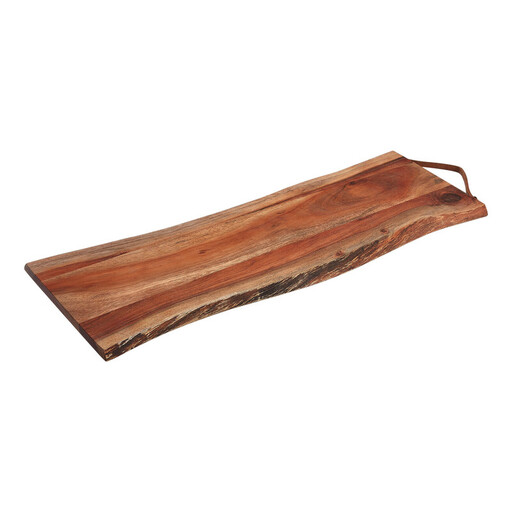
Why It Stands Out: This board brings a unique, artisanal warmth to the kitchen. Its handcrafted, asymmetrical shape and the rich grain of the acacia wood make each piece feel one-of-a-kind. It’s a functional tool that doubles as a piece of rustic art.
Pros:
Who is it for? Ideal for the home cook who appreciates natural materials and wants a single, beautiful board for both everyday prep and stylish serving.
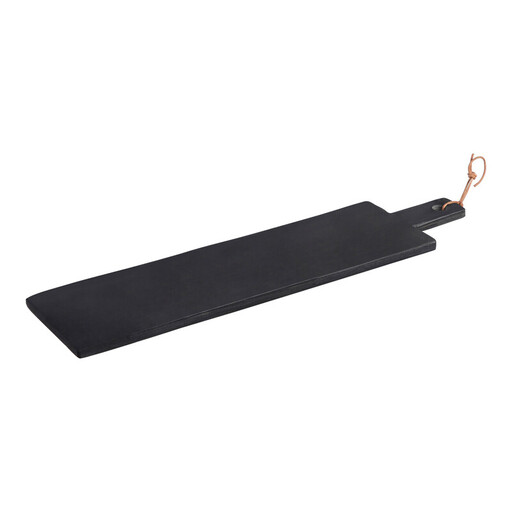
Why It Stands Out: This board makes a statement. The natural slate and classic paddle shape combine to create a piece that is both functional and dramatically stylish. Its generous size and integrated handle make it perfect for hosts who love to impress.
Pros:
Who is it for? The dedicated entertainer who needs a striking and spacious slate serving board to present beautiful food displays.
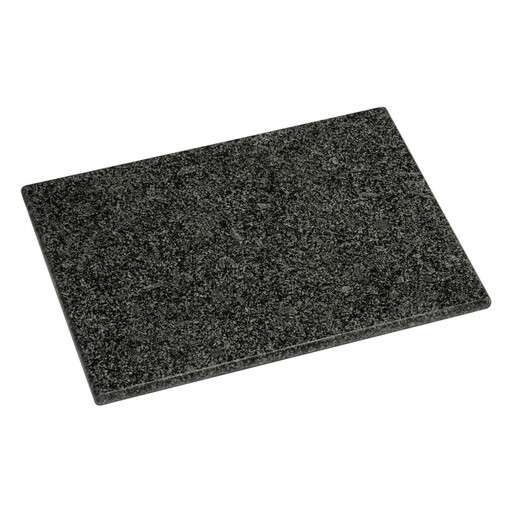
Why It Stands Out: This board is the definition of robust elegance. Made from solid granite, it offers exceptional durability and hygienic properties. The non-slip rubber feet are a thoughtful touch, providing stability and protecting your worktops during heavy use.
Pros:
Who is it for? The practical home chef who values hygiene, durability and a stable, low-maintenance surface for rigorous daily cooking.
These recommendations cover a range of styles and uses, but every kitchen is unique. If you are looking for a different size, material or design, there are many other options to consider.
Explore our full collection of serving boards to find the perfect match for your home.
It depends entirely on the material. A board made from a durable wood like acacia or from solid granite is designed for both chopping and serving. However, a slate serving board is more decorative and can be damaged by heavy knife work. It is best used for serving or very light slicing, such as with a cheese knife.
To keep a wooden chopping board in good condition, always wash it by hand with mild soap and warm water shortly after use. Never soak it or put it in the dishwasher. Dry it thoroughly with a cloth and let it air dry completely. To prevent the wood from drying out and cracking, periodically apply a food-safe mineral oil.
Traditionally, a charcuterie board focuses on a selection of cured meats, while a cheese board features various cheeses. In modern use, the terms are often interchangeable. Most people use a single, versatile kitchen presentation board to serve a mix of meats, cheeses, fruits, nuts and crackers, creating a comprehensive grazing platter.