A chopping board might seem like a simple kitchen tool, but choosing the right one can significantly impact your cooking experience, hygiene and even the lifespan of your knives. With so many materials, sizes and styles available, it's easy to feel overwhelmed. Are you looking for a durable workhorse for daily meal prep, or an elegant serving board to impress your guests?
This guide is designed to cut through the clutter. We'll walk you through the key considerations for selecting a new kitchen board and share some of our top recommendations to help you find a reliable and stylish option that suits your needs.
What to Look for in a Chopping Board
Before you decide, it's helpful to understand the main factors that differentiate one cutting board from another. Here are a few practical points to consider.
1. The Material Makes the Difference
The material of your chopping board affects everything from its durability and maintenance to its effect on your knife blades.
- Bamboo: A popular and sustainable choice, a bamboo chopping board is technically a type of grass. It's harder than many woods, making it resistant to scoring and has a less porous surface. It's a good all-rounder that is relatively gentle on knife edges.
- Marble: A marble chopping board offers a touch of elegance and is perfect as a dual-purpose serving board. Its naturally cool surface is ideal for pastry work. While beautiful and hygienic, its hardness can dull knives more quickly, so it's often better for light prep and presentation.
- Stainless Steel: For those prioritising hygiene, a stainless steel cutting board is an excellent option. It's non-porous, incredibly durable and easy to sanitise. It can withstand heavy use without harbouring bacteria, though like marble, it is a very hard surface for your knives.
- Wood: A classic butchers block made from woods like maple or walnut is prized for being kind to knives. Wood boards can be self-healing to a degree, but they require regular oiling to prevent them from drying out and cracking.
2. Size and Stability
Consider the tasks you perform most often. A large chopping board provides ample space for preparing multiple ingredients without feeling cramped, which is ideal for big family meals or elaborate recipes. For smaller kitchens or quick tasks like slicing a lemon, a more compact board is more convenient. Look for a heavy duty chopping board with a good weight or non-slip feet to ensure it stays securely in place while you work.
3. Hygiene and Maintenance
Ease of cleaning is crucial for any item that comes into contact with food. Non-porous surfaces like marble and stainless steel are simple to wipe clean and sanitise. Bamboo is also naturally resistant to water absorption. Always check the manufacturer's care instructions; some boards are dishwasher-safe, while others, particularly wood and bamboo, require hand-washing and occasional oiling to maintain their condition.
Our Top Recommendations
Here are a few standout options that balance functionality, style and durability for the modern UK kitchen.
Maison by Premier Black and Grey Marble Large Chopping and Serving Board
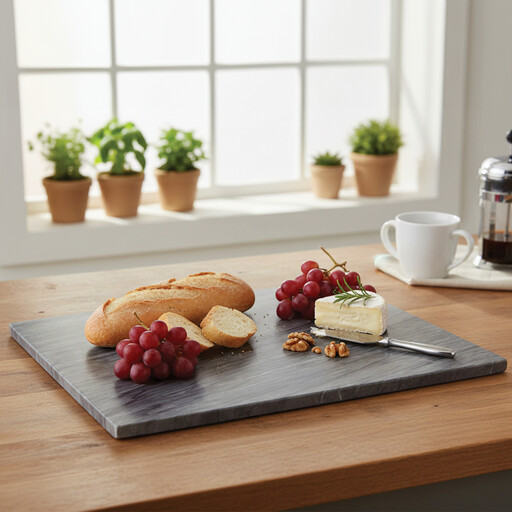
- Why It Stands Out: This board is a statement piece. Crafted from 100% natural marble with a polished black finish, it seamlessly transitions from a functional prep surface to a sophisticated serving platter. Its substantial weight (4.7 kg) and protective feet ensure it remains stable on your countertop.
- Pros:
- Dual-purpose design for both chopping and elegant serving.
- The non-porous marble surface is hygienic and easy to clean.
- Generous 40 x 30cm size provides ample workspace.
- Protective feet prevent slipping and protect countertops from scratches.
- Who is it for? The home entertainer who values aesthetics as much as function. It's perfect for anyone wanting a versatile board for preparing ingredients and presenting charcuterie, cheese or canapés with style.
Maxcook 304 Stainless Steel & Wheat Straw Double Sided Chopping Board
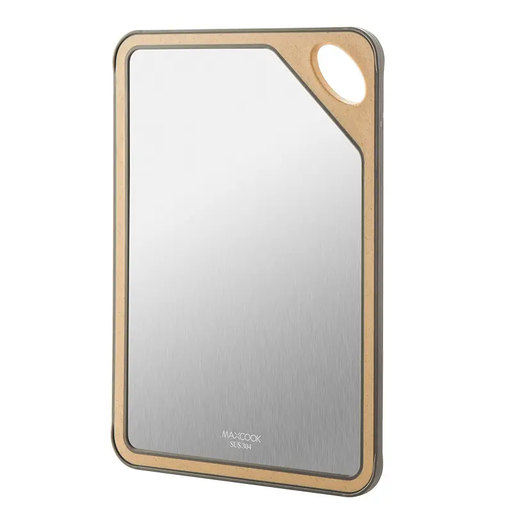
- Why It Stands Out: This board’s clever double-sided design is its main strength. One side features food-grade 304 stainless steel for raw meat and fish, while the other is made from antibacterial wheat straw for vegetables and cooked foods. This helps to prevent cross-contamination in the kitchen.
- Pros:
- Dual-sided design promotes excellent food hygiene.
- Durable and wear-resistant materials.
- Non-slip construction ensures safety during use.
- Dishwasher safe for convenient and thorough cleaning.
- Who is it for? The hygiene-conscious home cook. If you are meticulous about food safety and want a practical solution for keeping raw and cooked foods separate, this is an excellent choice.
Maison by Premier Aleki Butchers Chopping & Serving Board Bamboo
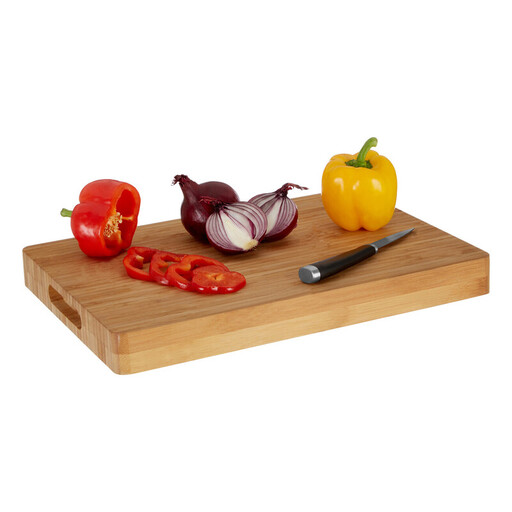
- Why It Stands Out: This is a classic, heavy duty chopping board built for serious work. Made from thick, sustainably sourced bamboo, it provides a robust and stable surface for all kinds of prep. The integrated cut-out handles make it easy to lift and move, despite its solid build.
- Pros:
- Made from sustainable and eco-friendly bamboo.
- Thick, 4cm construction provides a stable butchers block feel.
- The bamboo surface is durable yet gentle on knife edges.
- Integrated handles offer a secure grip for easy handling.
- Who is it for? The dedicated home chef who needs a reliable and spacious kitchen board for daily, heavy-duty chopping. Its rustic charm also makes it a great serving platter for bread and cheeses.
Looking for More Options?
If these specific models aren't quite what you're looking for, there are many other materials and styles to explore. Browse our full collection to find the perfect durable chopping board for your kitchen.
Frequently Asked Questions
1. What is the most hygienic type of chopping board? Hygiene often comes down to the material's porosity. Non-porous materials like stainless steel and marble are excellent because they don't absorb liquids and are easy to sanitise. However, a well-maintained bamboo or wooden board can also be very hygienic. The key is to clean any board thoroughly after each use, especially after contact with raw meat.
2. How often should you replace a chopping board? You should consider replacing your chopping board when it develops deep grooves or scratches that are difficult to clean. These cuts can trap food particles and bacteria, posing a hygiene risk. A high-quality, heavy duty chopping board will resist scoring for longer, offering better value and safety over time.
3. Can you use a marble board for heavy cutting? While you can use a marble chopping board for light cutting and slicing, it's not recommended for heavy, daily chopping. Marble is an extremely hard surface that can cause knife blades to dull more quickly compared to bamboo or wood. It excels as a surface for working with pastry dough (as it stays cool) and as an elegant serving board.


