
24/7 Customer Support

Free returns

Same-day & Next-day Delivery

Quality Guaranteed

Unlock Your Welcome Offers: FREE Delivery | Up to 80% OFF | Free 30-day JoyPlus trial
Download the APP
For those exploring the world of Japanese spirits, the allure of a premium plum liqueur is undeniable. Yet, the journey to finding a truly authentic bottle can be confusing. Many shoppers find themselves disappointed by overly sweet, one-dimensional drinks that don't live up to the promise of a rich, complex flavour. As a Joybuy Product Recommendation Officer, my role is to help you navigate the market and understand what separates a genuinely premium product, like Choya Extra Years Plum Wine, from the rest.
Before you make a choice, it's important to be aware of a few common purchasing pitfalls that can lead to a less-than-satisfactory experience.
To ensure you're getting an authentic and high-quality product, focus on these key parameters. They are the true indicators of craftsmanship in the world of Japanese plum wine.
The gold standard for premium umeshu is the Nanko ume. This variety, particularly from the Kishu region of Japan, is prized for its plump, fleshy fruit, high acidity and wonderfully aromatic properties. This balance is essential for creating a liqueur that is both sweet and refreshingly tart. A product that proudly states it uses 100% Nanko ume is signalling a commitment to quality from the very first ingredient. The presence of plum wine with fruit inside the bottle is another good sign, as it shows a traditional approach and allows the flavour to continue developing.
True depth of flavour in umeshu is developed over time. The "Extra Years" in the name of the Choya product isn't just marketing; it signifies that the liqueur has been aged for at least two to three years. This extended period allows the initial sharpness of the alcohol to soften, integrating beautifully with the fruit's essence. The result is a velvety texture and a complex bouquet of flavours that you simply won't find in a non-aged product.
Check the label. A premium plum liqueur should have a very simple list of ingredients: ume plums, sugar and a base spirit (like cane spirit). The absence of artificial flavourings, acidulants and excessive additives is a clear indicator of a product that relies on the quality of its core components rather than synthetic shortcuts. This natural approach is what defines an authentic sweet Japanese wine.
Based on these quality markers, here are a few recommendations tailored to different preferences and needs.
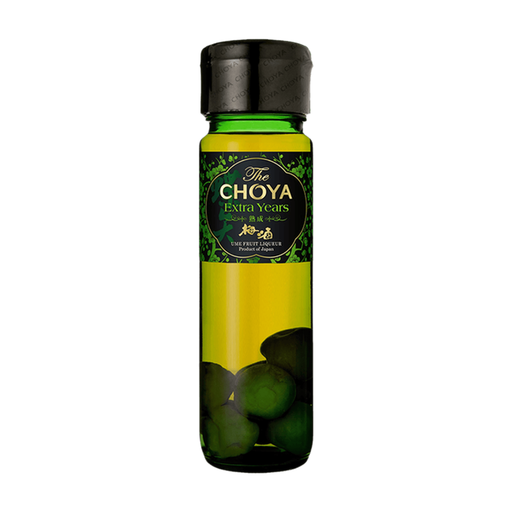
Why This Fits Their Persona: This is for the discerning drinker who values authenticity and craftsmanship. It's ideal for someone looking to savour a top-tier spirit neat or create high-end umeshu cocktails at home.
It is made with 100% premium Nanko ume and is aged for 2-3 years, directly countering the pitfalls of artificial flavours and unaged harshness. The whole plums inside are a mark of its authenticity.
Exceptional depth and a velvety mouthfeel from the ageing process. The flavour is complex, with notes of toasted almond and ripe stone fruit balanced by a clean acidity.
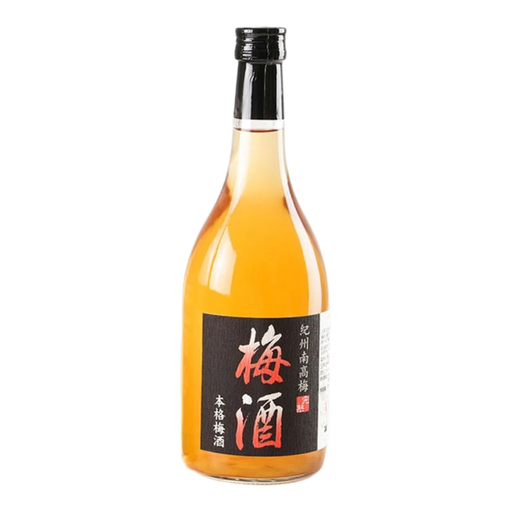
Why This Fits Their Persona: Perfect for those new to Japanese umeshu who want an authentic taste without committing to a higher-priced, aged bottle. It offers a genuine experience at an accessible price point.
This wine uses premium Kishu Nanko plums and a traditional steeping process, ensuring you get a real fruit flavour, not a synthetic substitute, providing an authentic introduction to the category.
It delivers a well-balanced profile with bright, tangy plum notes and a silky texture. It's a fantastic, straightforward example of classic umeshu character and great value.
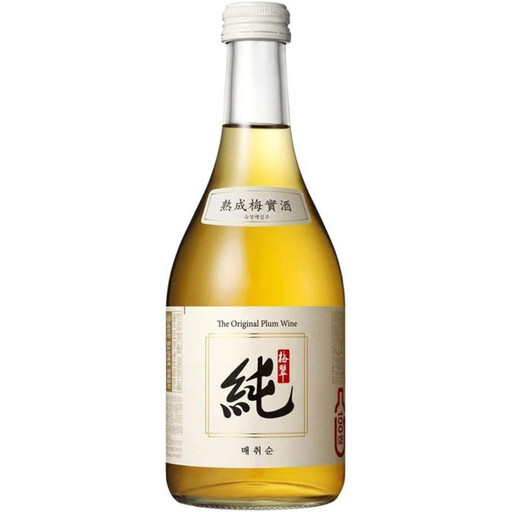
Why This Fits Their Persona: For those who have already enjoyed Japanese umeshu and are keen to explore other regional styles. This premium Korean plum wine offers a different, yet equally sophisticated, flavour profile.
This wine is matured for five years, far exceeding the standard and avoiding the "young and harsh" pitfall. It uses plums from the producer's own farm, ensuring quality control from start to finish.
Offers a unique flavour profile with distinct almond notes. The smaller 375ml bottle size is convenient for tasting and exploring a new style without committing to a full-size bottle.
We have compiled a complete, real-time list of products that fully satisfy these strict selection criteria and UK safety regulations.
Once opened, it is advisable to store the bottle upright in a cool, dark place like a cupboard or pantry. To preserve its delicate flavours for longer, you can also keep it tightly sealed in the refrigerator. This will help maintain its freshness and aromatic profile.
Yes, the plums inside the bottle are edible. They have been steeped in the liqueur for years and have absorbed its sweet, alcoholic flavour while imparting their own essence. They have a unique, soft texture and a potent taste. You can enjoy them as a small treat on their own or as a garnish in a cocktail.
The versatility of premium plum liqueur is one of its greatest strengths. Its balance of sweetness and acidity makes it an excellent companion for a range of foods. It pairs beautifully with rich, savoury dishes like p?té or sharp artisanal cheeses. It can also cut through the richness of fried foods like tempura. For dessert, it is a wonderful match for fruit tarts, cheesecakes or simply a scoop of vanilla ice cream.