Hosts making a shared dessert
A trifle, fruit bowl, pavlova topping or buffet dessert calls for a plan based on drained fruit, particularly when several tins will be opened.


For a shared fruit bowl or dessert, choose tins by drained weight so you can plan the amount of fruit, rather than relying on the total tin weight. Juice-packed fruit suits a menu that does not call for syrup; light syrup suits a recipe that deliberately uses it. Consider small portions when easier individual serving matters more than assembling one shared dish, and check the label on the tins you receive before serving.
A trifle, fruit bowl, pavlova topping or buffet dessert calls for a plan based on drained fruit, particularly when several tins will be opened.
If the packing liquid matters to the menu, compare the ingredients of the exact fruit-cocktail tins rather than treating juice and light syrup as the same product.
Small ready-portioned products may make distribution simpler when a shared serving bowl is less convenient. Check whether the pack contains plain fruit or fruit in jelly.
For a christening-party menu, decide whether the fruit will go into a shared dish or individual portions, then match the packing liquid and quantity to that plan.
| Concern | What to check | Who this matters to |
|---|---|---|
| Fruit for a shared dish | Drained weight per tin and the number of tins needed for your recipe or serving plan. | If I am filling a fruit bowl or making a trifle, I need to know how much fruit will remain after draining. About 36% of consumers put shared-dessert quantity first. |
| Juice or syrup | The labelled packing liquid and whether the recipe uses or discards it. | When the dessert uses its packing liquid, I want to choose that ingredient deliberately rather than swap juice and syrup without checking. For about 29% of consumers, the packing liquid is the primary concern. |
| Individual serving | Portion size and whether the product is plain fruit or fruit in jelly. | If guests will take their own portions, I may prefer small packs to portioning fruit from a shared tin. Individual-serving convenience comes first for about 21% of consumers. |
| Labels and leftovers | Ingredients and dietary information on the received tin; its instructions for storing fruit after opening. | With guests who have different dietary requirements, I need to check the actual label and know how to handle anything left over. About 14% of consumers prioritise those label and storage checks. |
Tesco lists both its Del Monte 415g fruit cocktail in juice and 420g version in light syrup with 250g drained weight. The larger total weight does not mean more fruit in this pair.
Add up the drained weights before deciding how many tins your dessert needs.
The Del Monte light-syrup label lists glucose-fructose syrup and sugar, while its juice-packed version lists clarified pineapple juice from concentrate. Princes’ trifle recipe deliberately reserves syrup for the dessert.
Choose the packing liquid according to whether your recipe will use it or drain it away.
Some small fruit multipacks listed by Tesco contain jelly, which is a different format from drained fruit cocktail for a bowl or trifle.
Check the product format before choosing small packs for easier individual serving.
Opened-fruit instructions differ. Tesco’s Del Monte light-syrup listing specifies a covered, refrigerated, non-metallic container and use within 3–4 days; Marks & Spencer gives a 2-day period for its grapefruit segments.
Follow the instructions on each tin and plan how you will store any unused fruit.
Tesco lists fruit-cocktail tins in juice and in light syrup, both with 250g drained weight.
Princes lists fruit cocktail with juice in 410g and 220g sizes.
Tesco’s tinned fruit-cocktail listings include standard tins and small fruit multipacks from several brands.
Its tinned-fruit range includes single-fruit options such as peaches and mandarins alongside fruit cocktail.
Asda has a tinned-fruit shopping category with delivery and click-and-collect options.
Marks & Spencer lists tinned grapefruit segments and rhubarb chunks as alternatives to fruit cocktail.
These tins suit shared fruit bowls and desserts: the selection includes fruit cocktail in juice and single-fruit options in juice or light syrup. Match the fruit and packing liquid to your menu before planning how many tins to use.
 No image available
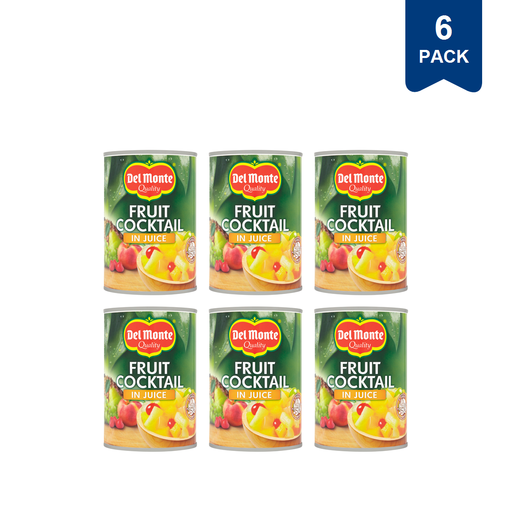
For a shared fruit bowl or dessert when a mixed fruit cocktail in juice suits the menu. The pack contains six 415g tins; Tesco lists 250g drained weight for the corresponding 415g tin. Check the label on the tins you receive for the current ingredients and handling instructions.
 No image available
A single tin for a shared dessert when fruit cocktail in juice fits the recipe. Tesco lists 250g drained weight for this 415g product; use that quantity when planning servings rather than treating 415g as the fruit weight.
 No image available
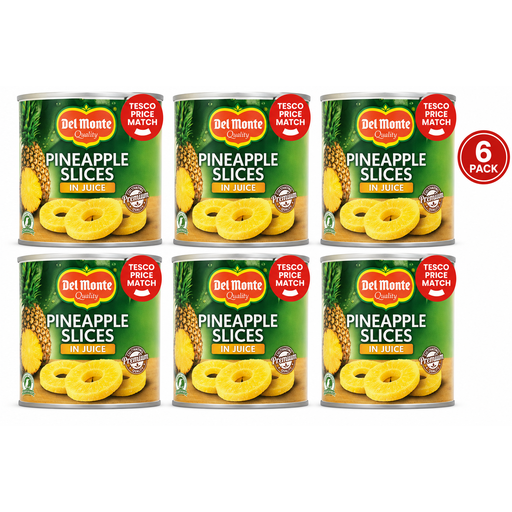
Choose pineapple slices when the menu calls for one fruit rather than a fruit-cocktail mix. This is a six-pack of 435g tins in juice. Check the drained weight on the tins before calculating the fruit available for a platter.
 No image available
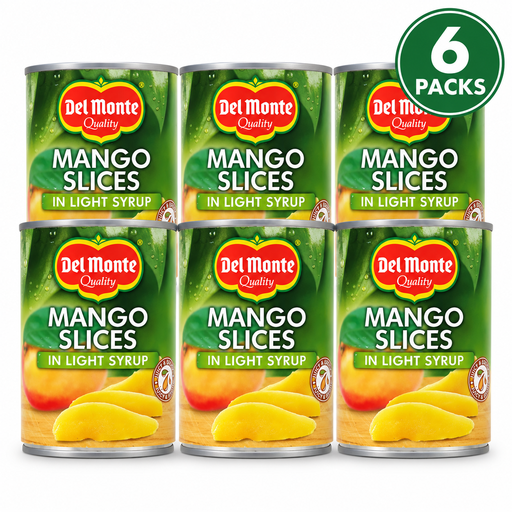
A single-fruit choice for a dessert that calls for mango slices in light syrup. The pack contains six 425g tins. Check the recipe’s need for syrup and the tins’ drained weight when planning the dish.
 No image available
A single 432g tin for a dish that needs pineapple chunks in juice rather than mixed fruit. Check its drained weight before deciding how many tins will provide the fruit your serving plan requires.
Plan from the drained weight, then multiply it by the number of tins. Tesco lists 250g drained weight for both the Del Monte 415g fruit cocktail in juice and the 420g version in light syrup, despite their different total weights.
Choose light syrup if your trifle recipe deliberately uses it; Princes’ trifle recipe drains the fruit and pours the reserved syrup over Swiss roll. If your recipe does not call for syrup, check a juice-packed product’s ingredients instead of assuming the two liquids are interchangeable.
Follow that product’s label, because instructions differ. Tesco’s Del Monte light-syrup listing says to transfer unused contents to a suitable non-metallic container, cover and refrigerate them, and use them within 3–4 days; Marks & Spencer specifies 2 days for its grapefruit segments.
Check the label on the tins you will serve. Retailer product information can change, so an earlier online ingredients or dietary-information listing should not replace the label on the received product.
No. GOV.UK guidance distinguishes use-by dates, which relate to safety, from best-before dates, which relate to quality, and includes tinned foods among products that may carry a best-before date. Follow the tin’s storage instructions as well.