Hosts serving a mixed-age gathering
Ready-to-eat mini bites avoid cutting fudge at the table. If you want one item per guest, a pack with a stated count makes that plan easier to check; neither format removes the need to check allergens.


For a self-service sweet table, choose ready-to-eat mini bites; a counted bar pack suits a planned allocation if the bar size works for your guests, while traditional fudge can be served as shared pieces. Check the format and the current pack’s ingredients and allergen information before putting anything out.
Ready-to-eat mini bites avoid cutting fudge at the table. If you want one item per guest, a pack with a stated count makes that plan easier to check; neither format removes the need to check allergens.
Choose finished bites if you do not plan to prepare food. Fudge cubes sold for baking or decorating make more sense when they will go into homemade cakes or other bakes.
Keep the original packaging so guests can check the product-specific ingredients and allergen statements. Ask about allergies ahead of the party and arrange a clearly separate alternative where needed.
Decide how guests will take the fudge, then check the pack count, product type and label against that serving plan.
| Priority | What to check | Your needs |
|---|---|---|
| Serving format | Look for ready-to-eat mini bites, a stated pack count or a per-piece serving. Check whether bars need any preparation for your display. | I want guests to take a sweet without someone cutting and portioning fudge throughout the party. |
| Allergen information | Read the current pack’s ingredients, declared allergens and any “may contain” statement. Keep the packaging available when serving. | If guests need to check ingredients, I want them to identify the product they are being offered. |
| Product type | Check whether “fudge” means traditional fudge, a coated snack bite, a cake bite containing fudge or cubes intended for baking. | For a favour, I need a finished sweet; for homemade bakes, small decorating pieces may serve a different purpose. |
| Event-day pack | Check the physical label, pack quantity, best-before date and storage directions after delivery or collection. | Before setting out the sweets, I want to know that the packs in hand match the serving plan. |
The products described by Tesco, Sainsbury’s, M&S and Waitrose include coated snack bites, brownie bites, baking cubes and traditional fudge. They call for different serving plans.
Read the product description and choose a finished bite, counted pack, shared fudge or baking ingredient according to how you intend to serve it.
Mini size says nothing about allergens. The named products have differing ingredient declarations, and some carry peanut or nut warnings.
Ask about allergies, check each physical pack and keep a suitable alternative separate where needed.
Product information can change between choosing an item and serving it.
Check the delivered pack’s label and best-before date, and retain the packaging so guests can inspect it.
These examples illustrate serving formats, not an assessment of each brand’s full range.
Tesco Chocolate Fudge Mini Bites come in a 196 g pack, with nutrition stated per mini bite on Tesco’s listing.
The Thorntons Chocolate Fudge Brownie Mini Cake Bites listing at Sainsbury’s specifies ten servings.
M&S lists both All Butter Fudge Cubes for baking and decorating and Sweet and Salty Pretzel Fudge Mini Bites as a snack.
Waitrose Clotted Cream Fudge is a 150 g shared-piece option. Waitrose lists approximately six servings, with two pieces per serving.
These Cadbury products offer two ways to serve a christening-party sweet: ready-to-eat minis and a counted pack of bars. Check which format fits your guest portions.
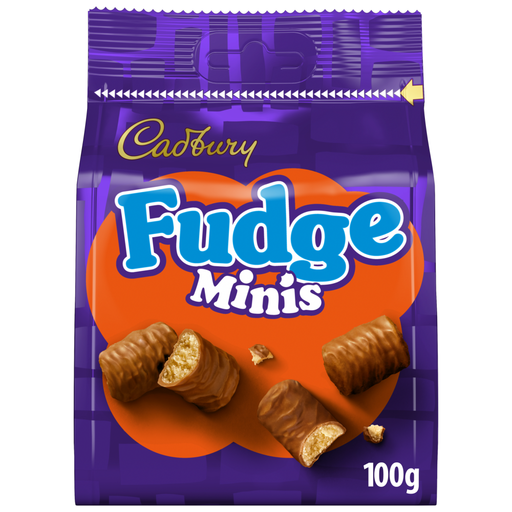 No image available
Ready-to-eat minis can be set out for guests to take without cutting. The product description identifies a fudge centre with a milk-chocolate coating; milk and soya are declared. Check the pack’s full allergen statement and the number of pieces before planning a fixed allocation per guest.
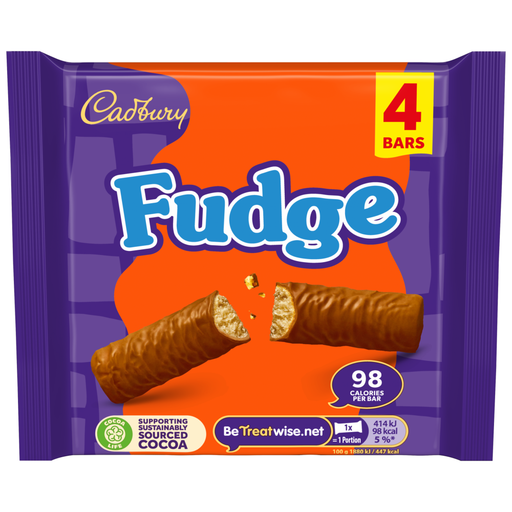 No image available
The stated four-pack helps with planning bar-sized portions rather than mini bites. The description identifies a fudge centre with a milk-chocolate coating, and milk is declared. Check the full pack label for allergens and confirm the packaging if you need individually wrapped portions.
Choose ready-to-eat mini bites for a self-service dish, or a counted pack if you want to plan an item per guest. Traditional fudge can work for shared portions; check the description, as some products named “fudge” are cake bites, coated clusters or baking cubes.
Check the physical pack for the exact product before serving. The Tesco, Thorntons, M&S and Waitrose examples have differing declarations that include milk and, depending on the product, wheat or other cereals, soya or egg; some also carry peanut or nut warnings.
Use it to shortlist products, then read the label on the pack you receive. Keep that packaging available if guests need to check ingredients during the party.
Ask the food business for allergen information about the specific loose product and keep it accessible to guests. The Food Standards Agency’s guidance covers allergen information supplied by retail and catering food businesses for both prepacked and non-prepacked food; do not identify a loose sweet’s ingredients from memory.
The Department for Education describes those rules as applying to food and drink provided in state-funded schools in England, not to a private christening reception. If food is being provided in a school setting, assess that setting against the applicable school-food requirements rather than treating the private-party serving plan as the rule.