Cookie and brownie bakers
If the recipe calls for chocolate pieces, a milk-chocolate bar without a named filling keeps caramel, biscuit, nuts and nougat from becoming additional recipe ingredients.


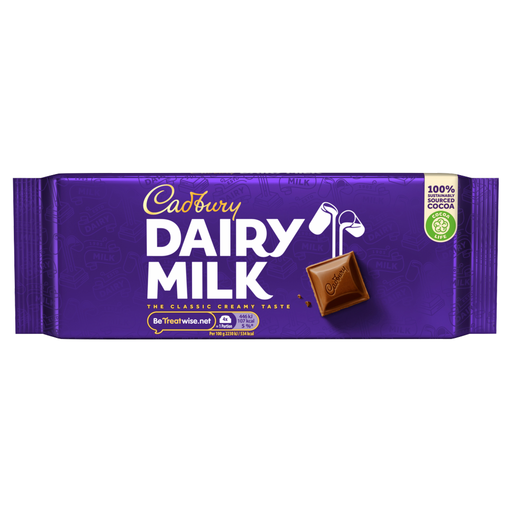
For cookies, brownies or traybakes where you want milk chocolate to be the main addition, Cadbury Dairy Milk Chocolate Bar 110g is a straightforward choice: Cadbury describes it as a milk-chocolate bar and publishes a baking recipe using Dairy Milk chocolate. Choose a bar with caramel, nougat, peanuts or wafer only when you want those ingredients in the finished bake; they are not like-for-like substitutes for plain chocolate.
If the recipe calls for chocolate pieces, a milk-chocolate bar without a named filling keeps caramel, biscuit, nuts and nougat from becoming additional recipe ingredients.
Choose a filled or layered bar because you want its caramel, biscuit, nougat, peanuts or wafer in the Christmas bake—not simply because it is labelled chocolate.
Compare the exact pack's ingredient and allergen declarations before baking or serving. The bars discussed here have different declarations involving ingredients such as peanuts, wheat, milk, soya and egg.
Decide what role the bar should play in the recipe, then check its size and allergen declaration against the bake you are making.
| Priority | What to check | Your needs |
|---|---|---|
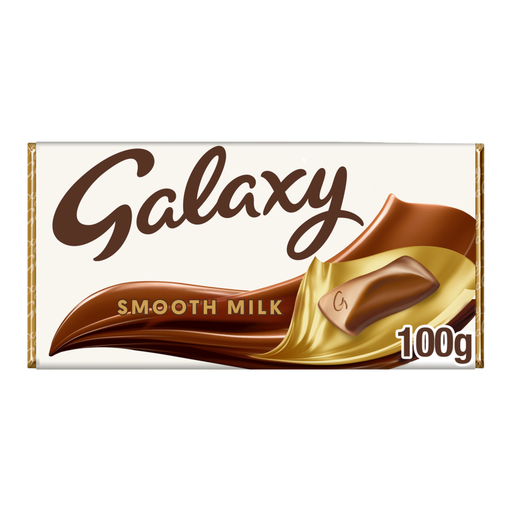
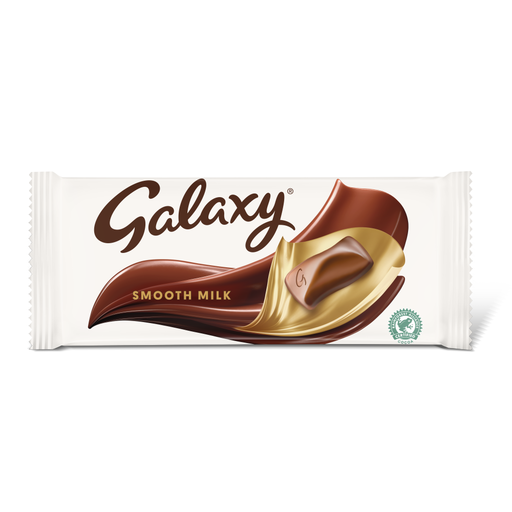
| Chocolate component | Check whether the bar is milk chocolate without a named filling. Cadbury describes its Dairy Milk 110g bar as milk chocolate; Galaxy publishes a 25% minimum cocoa-solids figure for its Milk Chocolate Bar 100g. | I want chocolate pieces in cookies or brownies, rather than a filling that changes the recipe. Cadbury also publishes a baking recipe using Dairy Milk chocolate. |
| Added texture | Read the components, not just the chocolate description. Twix has caramel and biscuit; the researched Mars 40g bar has nougat and caramel; KitKat has wafer; Snickers lists peanuts. | Caramel, wafer or peanuts would be part of my finished bake by choice, not an accidental substitute for plain chocolate. |
| Bar size | Compare the labelled weight with the amount your recipe calls for. The researched Cadbury Dairy Milk bar is 110g, while the researched Galaxy Milk Chocolate bar is 100g. | If I am buying one bar, I need to know whether its weight covers the chocolate quantity in my recipe. |
| Allergens | Read the exact pack before use. The researched Snickers bar lists peanuts; Twix lists wheat, milk and soya; Mars lists milk, barley, soya and egg. Check relevant may-contain declarations too. | I am serving other people, so the bar and the rest of the bake must be checked against their allergies before I use or serve them. |
Twix, Mars, Snickers and KitKat bring biscuit, nougat, peanuts or wafer into the bake as well as chocolate. That changes the ingredients you are adding.
Use a milk-chocolate bar without a named filling when the recipe calls for chocolate as the main addition. Choose a layered bar when its other components are wanted.
Chopping a bar into a larger bake does not remove its ingredients. The researched Snickers bar contains peanuts, for example, while the researched Twix and Mars bars list different cereals and other allergens.
Read the exact pack and check the whole recipe before baking for a guest with an allergy. Do not use a bar containing that guest's allergen.
The pack belongs to the particular bar going into your bake, so its ingredient and allergen declaration matters when you make the final choice.
Use product descriptions to compare options, then read the physical pack before baking or serving.
These references describe particular bars and their ingredients; a brand name alone does not tell you how a bar will work in your recipe.
A reference for a milk-chocolate addition to cookies, brownies or traybakes.
A reference when the labelled composition and 100g format matter to your recipe planning.
A caramel-and-biscuit choice when those ingredients are intended in the bake.
A choice for a bake intended to include nougat and caramel.
A peanut-containing option only when peanuts are intended in the finished bake.
A wafer choice when that component is wanted in a Christmas bake.
These bars fit the milk-chocolate route for a bake where chocolate, rather than a named caramel, peanut or wafer filling, is the intended addition. Check the bar's weight against your recipe and its pack before serving guests.
 No image available
A 180g milk-chocolate bar to consider when chocolate is the intended addition to a brownie or similar bake. Check the exact pack for milk and possible tree-nut or wheat exposure before baking for guests.
 No image available
A 100g milk-chocolate block for a recipe calling for chocolate rather than a named filling. Check the exact pack for milk, soya and possible nut traces if baking for guests.
 No image available
This 180g milk-chocolate block is an option when your recipe calls for more chocolate than a 100g bar provides. Check the exact pack for milk and soya before using it for guests.
 No image available
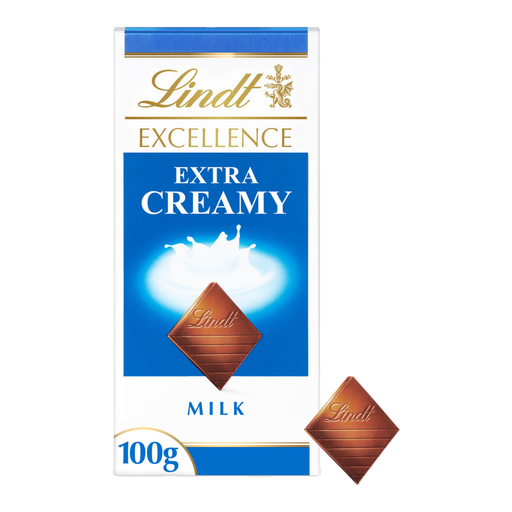
A 100g milk-chocolate bar to consider when the recipe calls for chocolate without a named filling. The product information identifies milk, lactose, barley gluten and soya; check the exact pack before baking for guests.
Cadbury Dairy Milk Chocolate Bar 110g is a straightforward milk-chocolate option: Cadbury publishes a baking recipe using Dairy Milk chocolate. That manufacturer recipe does not show that the 110g bar performs better than other bars, so check your recipe's required quantity and ingredients before buying.
Choose them when you want their other ingredients in the bake, rather than as like-for-like chocolate replacements. Twix contains caramel and biscuit; Tesco Groceries describes the researched Mars 40g bar as chocolate with nougat and caramel.
No. The researched Snickers Chocolate Bar 40g contains peanuts, so do not use it for someone with a peanut allergy. Read the exact pack and check the recipient's other relevant allergies before serving.
Check the physical pack of the bar you will use, including its ingredient, allergen and may-contain declarations. Compare those details with the needs of the people you are serving and with the other ingredients in your bake.
Check the current official guidance for your nation and the format in which you sell the bake, rather than relying on the chocolate wrapper alone. Food Standards Agency technical guidance published in August 2023 and amended in March 2025 applies to England, Northern Ireland and Wales; it should not be assumed to cover Scotland.