Hosts planning an alcohol-free toast
Sparkling juice or a fruit-and-sparkling-water drink provides the fizzy format for a toast. Check the description for carbonation rather than assuming any fruit drink will sparkle.


Choose a sparkling fruit drink when you want an alcohol-free fizzy serve for a Christmas party; choose a smoothie when guests want a thicker, still drink. If you offer both, treat them as different options and check each pack’s sugar information, serving format and storage instructions before buying.
The useful distinction is whether guests expect fizz in a glass or a chilled, still fruit drink.
Sparkling juice or a fruit-and-sparkling-water drink provides the fizzy format for a toast. Check the description for carbonation rather than assuming any fruit drink will sparkle.
Fruit-based and no-added-sugar descriptions do not tell you the total sugars in a serving. Read the nutrition panel and note whether it gives values per 100ml or per 100g before comparing packs.
A chilled smoothie offers a different texture at a buffet or daytime gathering. It should be offered as a still option, not as a substitute for a sparkling drink.
Settle the fizz-or-smoothie question first, then compare labels, pack formats and handling instructions for the drinks you intend to serve.
| Priority | What to check | Your needs |
|---|---|---|
| Fizz or texture | Look for sparkling water or carbonated juice in the description and ingredients. A smoothie is a separate, still-drink choice. | I want fizz for a toast, or a thicker fruit drink for guests who prefer something still. |
| Sugar information | Read total sugars and the stated measurement basis, then check the intended serving size. Tesco lists 10.5g sugars per 100ml for its Appletiser 6 x 250ml pack; M&S lists 7.3g per 100g for its pineapple and passion-fruit sparkling water. These are different measurement bases. The NHS says sugars in unsweetened fruit juice and smoothies count as free sugars. | I want to understand what a glass or can contains, without treating 100% juice or no-added-sugar wording as a statement about total sugar. |
| Serving format | Check the number and volume of individual cans against shared-bottle sizes. Read chilling, opening and post-opening storage instructions on the exact pack. | Individual portions would make serving simpler, or I would rather pour from a bottle and have a plan for anything left over. |
| Guest requirements | Check the purchased pack’s ingredients, allergen statement and any dietary-suitability claim. Keep its label available when serving guests. | Some guests need to check ingredients for themselves, so the current pack matters more than an earlier online description. |
A fruit-led name tells you little about carbonation, sugar per serving or how a drink needs to be handled.
A still smoothie will not serve the same purpose as a sparkling drink when guests expect a fizzy toast.
Check the product description and ingredients for terms such as “sparkling” or “carbonated” before choosing the drink for that occasion.
M&S lists 7.3g sugars per 100g for its no-added-sugar pineapple and passion-fruit sparkling water and describes those sugars as naturally occurring. Tesco lists 10.5g per 100ml for its Appletiser sparkling apple juice.
Use each pack’s total-sugars figure and serving information; keep the different per-100g and per-100ml bases clear.
M&S warns that its sparkling-water container is pressurised and should not be shaken. Tesco says Naked Blue Machine must be refrigerated and consumed within five days after opening.
Check the instructions for the particular drinks you buy, especially if bottles will be opened at different times during the party.
Ingredients and dietary information can differ between products or change with a recipe, which matters when serving several guests.
Read the delivered pack’s ingredient and allergen statements before serving, and keep the pack available for guests who need to check it.
These examples illustrate different drink formats; a brand name alone does not tell you whether a particular product is sparkling.
A sparkling apple-juice option rather than a smoothie. Tesco lists a 6 x 250ml pack and a 750ml bottle.
Its pineapple and passion-fruit sparkling spring water combines fizz with fruit ingredients, rather than smoothie texture.
A reference for guests who want a still smoothie instead of a fizzy drink.
A still-drink route for a buffet where a smoothie-style fruit drink is wanted alongside, rather than in place of, fizz.
Waitrose lists white-grape and red-grape Shloer sparkling juice drinks in 750ml bottles for sharing.
These are sparkling fruit-drink options for a fizzy party serve, in individual cans and bottles for pouring. They are not smoothie alternatives for guests who want a still drink.
 No image available
Six individual cans suit a party where guests will take their own sparkling apple-juice serving. Tesco lists 10.5g sugars per 100ml, or 26g per 250ml can, for this pack; check the delivered label before serving.
 No image available
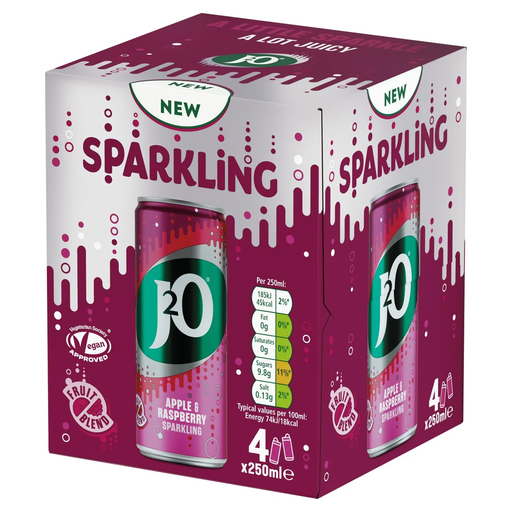
Four 250ml cans provide individual sparkling fruit-drink servings. Check the exact pack’s ingredients and nutrition panel if guests need to know about sugar or sweeteners.
 No image available
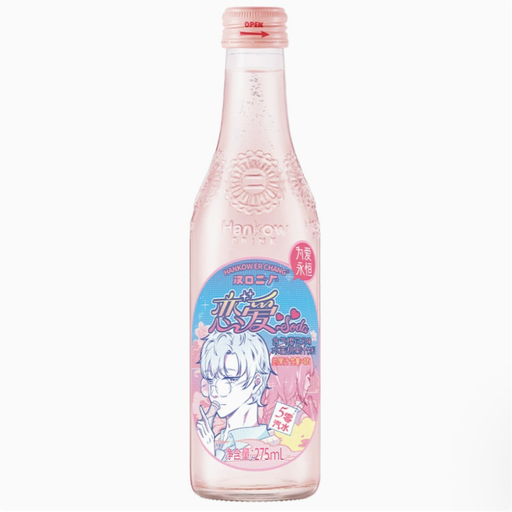
The 275ml format is an individual sparkling peach-drink option. Check the delivered bottle’s ingredients and opening instructions before serving; handle its glass container carefully.
 No image available
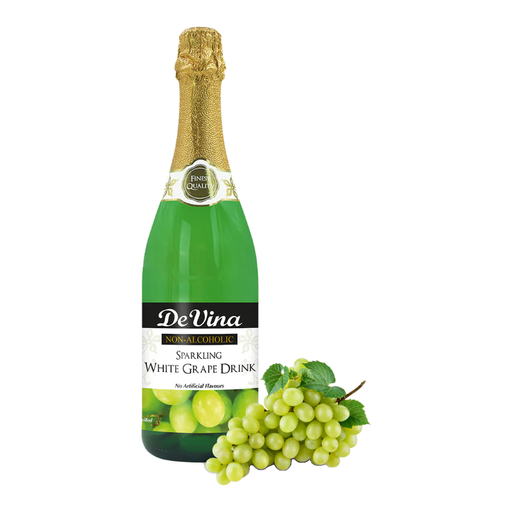
A 750ml bottle offers a shared sparkling-drink format. Handle the glass bottle carefully, check its warning before serving young children, and follow the pack’s storage instructions after opening.
 No image available
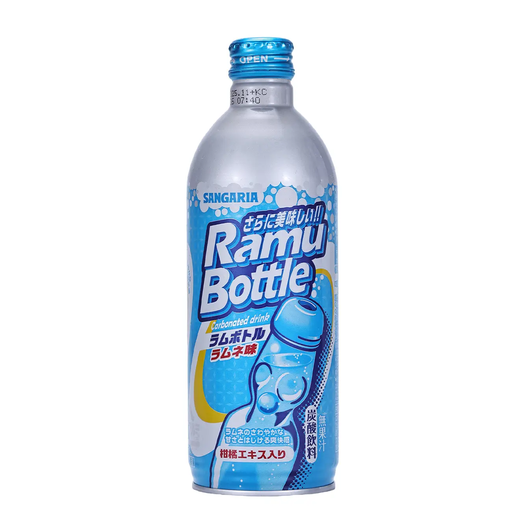
This 500ml fruit-flavoured soda is a bottle option for a sparkling serve. Product descriptions give conflicting allergen statements, so read the exact pack before offering it to guests with dietary requirements; follow its post-opening instructions too.
No. Tesco describes Appletiser as sparkling apple juice, while its Naked Blue Machine listing describes a smoothie-style fruit juice drink. Choose a product identified as sparkling when fizz is the reason for buying; offer a smoothie separately if guests want a still drink.
No. M&S describes its pineapple and passion-fruit sparkling water as having no added sugar but lists 7.3g sugars per 100g from naturally occurring sources. Read total sugars and serving information on the pack you buy.
Yes. Check the delivered pack’s ingredients, allergens, nutrition and storage instructions before serving, particularly when guests have dietary requirements. Keep the pack available so they can read its current label.
Follow each pack’s opening and storage directions. M&S says not to shake its pressurised pineapple and passion-fruit sparkling water and to open it carefully; Tesco says to refrigerate Naked Blue Machine and consume it within five days after opening. Those instructions apply to the named products, not every sparkling drink or smoothie.