Hosts serving adults and families
A cola and a contrasting fruit-flavoured option give guests a choice of flavours. If anyone avoids caffeine, choose a drink whose exact label says it is caffeine free rather than relying on its flavour.


For a mixed Christmas-party group, offer more than one type of fizzy drink: a regular or zero-sugar cola for guests who want cola, alongside a clearly labelled caffeine-free option for those avoiding caffeine. Regular Coca-Cola Original Taste lists more sugar per 100ml than the zero-sugar colas cited here; check each exact variant for caffeine, sweeteners and phenylalanine warnings before serving guests with relevant dietary requirements.
A cola and a contrasting fruit-flavoured option give guests a choice of flavours. If anyone avoids caffeine, choose a drink whose exact label says it is caffeine free rather than relying on its flavour.
Compare the nutrition panel of the exact cola variant. Coca-Cola Great Britain lists 0g sugars per 100ml for Coca-Cola Zero Sugar, and Pepsi UK lists the same for Pepsi Max; both list caffeine and aspartame.
Look for an explicit caffeine-free label and check ingredients separately. The NHS says aspartame is not suitable for people with phenylketonuria (PKU), so a zero-sugar label alone does not establish suitability.
Choose the flavour mix first, then compare the exact labels and pack volumes for the drinks you plan to serve.
| Priority | What to check | Your needs |
|---|---|---|
| Flavour choice | Check whether the drinks are cola, citrus or another fruit flavour. Compare regular and zero-sugar variants by their exact names. | I want a familiar cola without making it the only flavour guests can choose. |
| Sugars | Compare sugars per 100ml on the same basis. Coca-Cola Great Britain lists 10.6g for Original Taste and 0g for Zero Sugar; Pepsi UK lists 0g for Pepsi Max. | A clearly labelled zero-sugar cola would let guests choosing that option distinguish it from regular cola. |
| Caffeine and ingredients | Check for an explicit caffeine-free statement and read the sweetener and phenylalanine information. Coca-Cola Great Britain describes Fanta Orange as caffeine free, but lists 4.5g sugars per 100ml. | If a guest avoids caffeine or has PKU, I need to check the exact drink rather than assume a fruity or zero-sugar variant suits them. The NHS says aspartame is not suitable for people with PKU. |
| Pack format | Compare can count, volume per can and total volume. Check that you have room to store and chill the packs you choose. | Individual cans would make it straightforward to set out more than one flavour and let guests pick a drink. |
Coca-Cola Great Britain and Pepsi UK list caffeine in Coca-Cola Zero Sugar and Pepsi Max. Both also list aspartame; the NHS says aspartame is not suitable for people with PKU.
Read the exact variant’s ingredients and choose a separately labelled caffeine-free drink where needed. Check phenylalanine warnings before offering a drink to a guest with PKU.
A can count does not tell you the total volume unless you also check the size of each can. It may leave you with a different quantity of drink than you planned to chill or serve.
Compare the volume per can and total volume, then decide how much of each flavour to set out for the group.
These examples show why the exact drink and variant matter; a brand name alone does not establish its sugar, caffeine or ingredient information.
Original Taste and Zero Sugar offer two cola variants to compare for a party.
Pepsi Max is a zero-sugar cola option for guests who want cola.
Sprite provides a lemon-and-lime alternative to cola, with regular and Zero variants.
Fanta Orange is a fruit-flavoured choice for guests who do not want cola.
Standard and Zero variants offer another flavour choice beyond cola and citrus.
Tesco’s grocery listings provide examples of cola multipacks and own-label flavoured sparkling water to compare by format.
These cans offer cola, lemon-and-lime and apple-flavoured choices for a Christmas party. Check the exact label when choosing for caffeine avoidance or PKU; a zero-sugar name does not settle either question.
 No image available
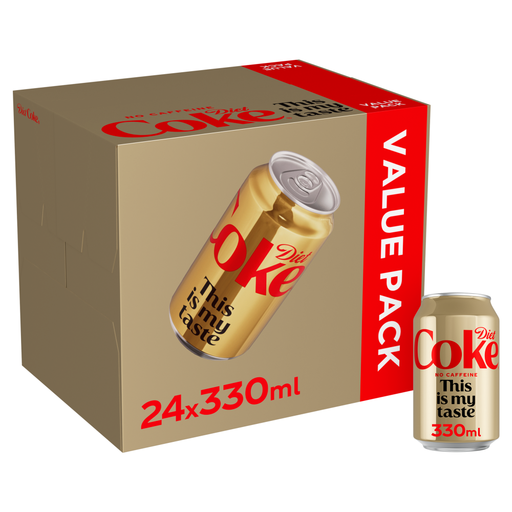
A no-caffeine cola choice in individual 330ml cans for guests who want cola without caffeine. Check the exact ingredient label for aspartame and phenylalanine information if serving someone with PKU.
 No image available
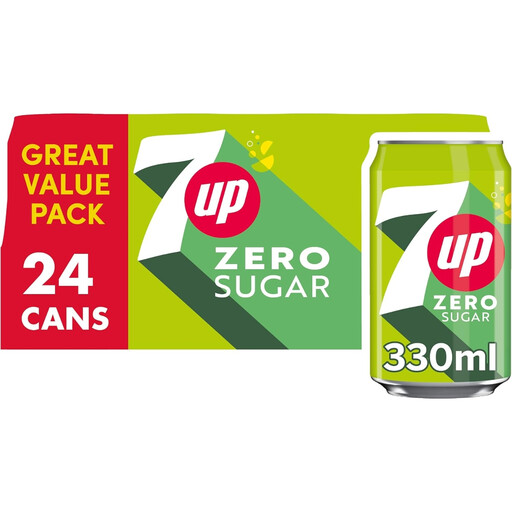
A lemon-and-lime alternative to cola in a 24-can pack. Check the exact label for caffeine and phenylalanine information before choosing it for guests with those requirements.
 No image available
A zero-sugar cola choice in individual cans. Pepsi UK lists 0g sugars per 100ml for Pepsi Max, but its ingredient information also lists caffeine and aspartame; it is not the caffeine-free choice for the table.
 No image available
A zero-sugar cola option in individual cans. Coca-Cola Great Britain lists 0g sugars per 100ml for Zero Sugar and also lists caffeine and aspartame, with a phenylalanine warning.
 No image available
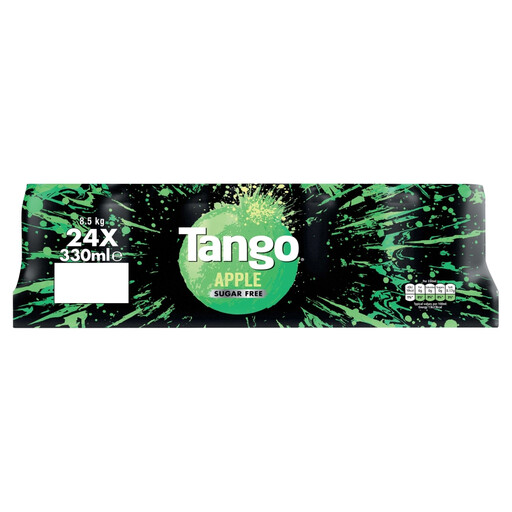
An apple-flavoured alternative to the colas in a 24-can pack. Check the exact label before choosing it for guests avoiding caffeine.
No. Coca-Cola Great Britain and Pepsi UK list aspartame and a phenylalanine warning for Coca-Cola Zero Sugar and Pepsi Max. The NHS says aspartame is not suitable for people with phenylketonuria (PKU), so check the exact drink’s ingredients before serving it to a guest with PKU.
Choose a variant explicitly labelled caffeine free, rather than assuming every fruity drink is. Coca-Cola Great Britain describes Fanta Orange as caffeine free and lists 4.5g sugars per 100ml, so it is not a zero-sugar substitute.
Cans suit individual portions and make it easy to set out several flavours; larger bottles suit guests pouring their own drinks if you have room to chill them. Compare total volume as well as container size before deciding how much of each drink to buy.