Hosts serving children and adults
Choose a flavour for the group, and check the exact bottle for dilution and age guidance before filling jugs.


Choose a flavour and bottle format that suit your guests, then compare sugars in the drink as prepared rather than treating “no added sugar” as sugar-free. Check each bottle’s dilution directions, ingredients, allergens and age guidance before serving.
Choose a flavour for the group, and check the exact bottle for dilution and age guidance before filling jugs.
Look at the “of which sugars” figure for the prepared drink. Fruit ingredients can contribute sugars even when a squash is labelled no added sugar.
Check the current ingredients and allergen label for sweeteners, sulphites and any phenylalanine warning relevant to the person drinking it.
Start with the prepared drink, then work out how much each bottle makes and whether its ingredients suit your guests.
| Priority | What to check | Your needs |
|---|---|---|
| Sugars per glass | Compare “of which sugars” for equivalent prepared servings, not undiluted concentrate. Check the stated dilution used for each figure. | I want to know how much sugar is in the squash guests will actually drink, rather than relying on the front-of-pack claim. |
| Flavour and fruit content | Choose a flavour guests are likely to want. If fruit content matters, read the percentage and fruit ingredients on the exact variety. | A familiar citrus or berry flavour may suit my party; a higher-juice option may matter more to me than choosing by the sugars figure alone. |
| Ingredients and age guidance | Read the current label for sweeteners, sulphites, phenylalanine warnings and any instructions for children. | Some guests need to avoid particular ingredients, and I need to check the guidance before serving children. |
| Prepared quantity | Use the bottle size together with its own dilution ratio or stated servings. Check stock for the flavour you plan to serve. | I need enough finished drink for the expected glasses, not simply the largest-looking bottle of concentrate. |
Fruit ingredients can still contribute sugars to a no-added-sugar squash.
Compare the “of which sugars” values for equivalent diluted servings if sugars per glass affect your choice.
Ingredients and warnings differ between products. The Robinsons Lemon product listed by Asda, for example, has a phenylalanine warning.
Read the label on the exact bottle for sweeteners, sulphites and other information relevant to your guests.
Squash is diluted before serving, and preparation instructions differ. Asda’s Robinsons Lemon listing says to use one part concentrate to four parts water.
Calculate the finished drink using the instructions for the bottle you buy, rather than assuming every concentrate makes the same number of glasses.
The flavour you planned to buy may not be available when you shop, and the current bottle is what your guests will drink.
Confirm stock before the party and recheck the physical label, particularly for ingredients, allergens and age guidance.
These examples show the kinds of flavours and formats to compare; ingredients and guidance belong to the individual product, not an entire brand range.
Robinsons has no-added-sugar fruit squash varieties, including lemon and other familiar flavours.
Tesco’s own-label Double Strength Lemon is a no-added-sugar citrus concentrate in a 750ml bottle.
Sainsbury’s lists no-added-sugar Lime Cordial and White Grape & Peach High Juice squash.
Asda lists Robinsons Single Strength Lemon No Added Sugar Squash 1L.
M&S Summer Fruits Squash comes in a 1.5L double-strength format; Marks & Spencer describes it as containing 20% real fruit.
Waitrose lists own-label no-added-sugar high-juice squash, including Apple & Elderflower.
These no-added-sugar squash options cover fruit flavours in single bottles and multipacks for a Christmas party. Compare the prepared drink and each bottle’s instructions before deciding how much to put out.
 No image available
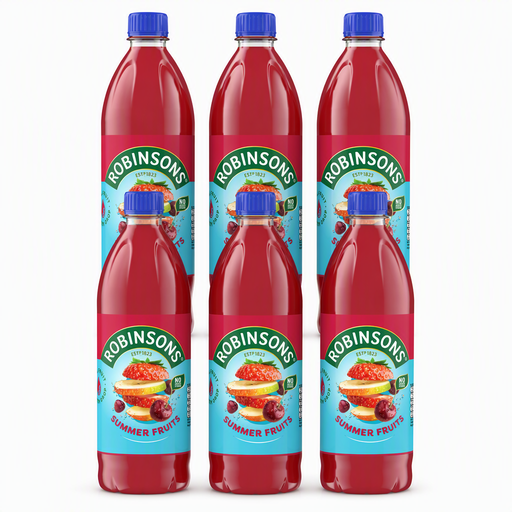
The six-bottle pack offers a summer-fruits flavour for serving several guests. Use the instructions on each bottle to work out the finished quantity, and check its ingredients and warnings for guests with restrictions.
 No image available
This 1.5L blackcurrant concentrate is an option if that flavour suits the group. Check nutrition for the prepared drink and the current ingredients; the product information says it is not recommended for children under three.
 No image available
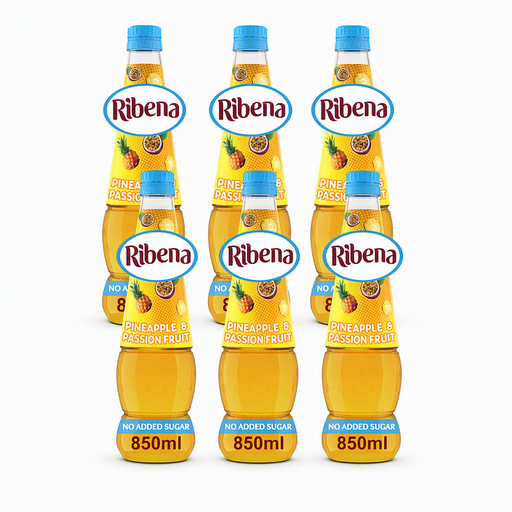
The six 850ml bottles offer a pineapple-and-passion-fruit option for more than one serving jug. Check the preparation directions to estimate yield, and use diluted-drink nutrition for comparisons; also check the bottle for ingredient warnings.
 No image available
This 1L orange squash is an option where a familiar fruit flavour suits the party. Check diluted-drink sugars and the bottle’s preparation directions before comparing it with other formats; its product information says it is not suitable for children under 36 months.
 No image available
The 1L lemon squash offers a citrus flavour for the party table. Read the exact bottle’s ingredients and allergen label before serving, and follow its dilution and child-serving guidance rather than applying instructions from another Robinsons product.
No. A no-added-sugar squash can still contain sugars from fruit ingredients. Compare the “of which sugars” figure for the prepared drink if total sugars per glass matter to you.
Compare equivalent amounts of squash after dilution. Follow each product’s preparation instructions so that a figure for concentrate is not mistaken for what is in a finished glass.
Read the ingredients, allergen information and warnings on the exact bottle. Products in this selection call for particular attention to sweeteners, sulphites and, where stated, phenylalanine warnings.
Do not use “no added sugar” as age guidance. Check the specific bottle: some listed products carry restrictions for very young children or instructions to add extra water for older children.
Estimate the number of glasses you plan to serve, then use each bottle’s dilution ratio or stated servings to calculate the finished drink. Asda’s listing for Robinsons Single Strength Lemon 1L, for example, specifies one part concentrate to four parts water; other bottles need their own instructions checked.