
24/7 Customer Support

Free returns

Same-day & Next-day Delivery

Quality Guaranteed

Unlock Your Welcome Offers: FREE Delivery | Up to 80% OFF | Free 30-day JoyPlus trial
Download the APP
Navigating the soy sauce aisle can feel overwhelming. With bottles labelled 'light', 'dark' and 'seasoned', it's easy to wonder if they truly make a difference in your cooking. For anyone aiming to create authentic Chinese dishes at home, from a simple stir-fry to a rich, slow-cooked stew, selecting the correct type is a fundamental step.
This guide is designed to clarify the roles of different soy sauces. We will look at the Chu Bang range, a popular choice in many households, to help you understand which bottle to reach for, ensuring your final dish has the intended flavour, colour and aroma.
Before choosing a bottle, it helps to understand a few key distinctions. This will make your selection process much simpler and your cooking more precise.
The two most common varieties in Chinese cuisine are light and dark soy sauce, and they are not interchangeable.
While light and dark soy sauces cover most needs, some recipes benefit from a specialised sauce. A seasoned soy sauce for seafood, for example, is specifically formulated with a delicate balance of sweetness and saltiness to complement, not overpower, fish and shellfish. Using a dedicated soy sauce for steamed fish can elevate the dish with minimal effort.
The foundation of any good premium soy sauce is its ingredients and fermentation process. Traditionally brewed sauces made from high-quality soybeans and wheat tend to offer a more complex and nuanced flavour profile. Checking the label for these core components can give you an indication of the product's character.
Here are our recommendations from the Chu Bang range, each suited for different culinary applications.
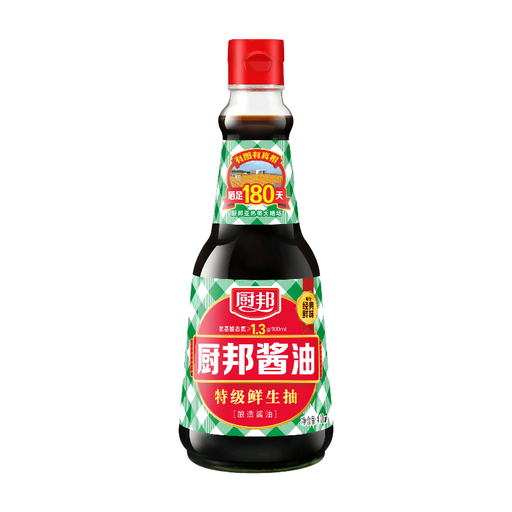
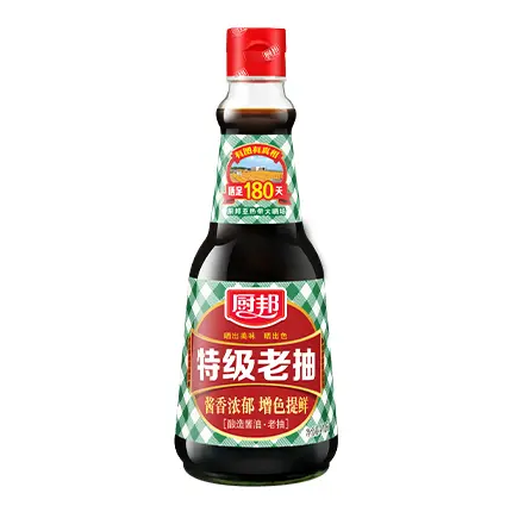
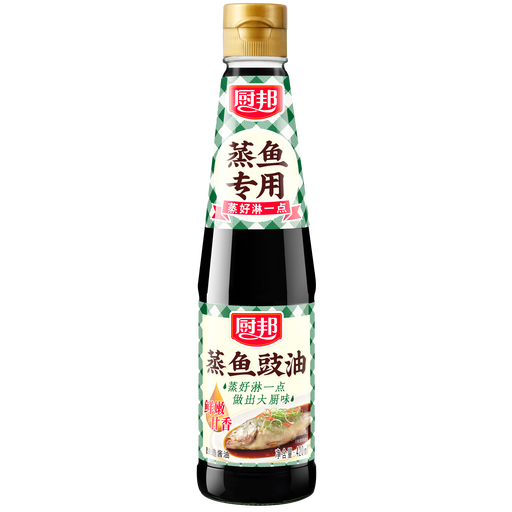
The world of soy sauce is vast, with variations in flavour, salt content and brewing style. If you are looking for something different, such as a reduced soy sauce for dietary reasons or other specialised condiments, there are many other choices available.
To discover more, feel free to browse our full range of soy sauces and find the perfect match for your pantry.
1. Can I use light soy sauce and dark soy sauce interchangeably? It is not recommended. Light soy sauce is for salty, savoury flavouring, while dark soy sauce is primarily for adding deep colour and a milder, sweeter flavour. Using dark soy sauce in place of light will make your dish dark and less salty than intended. Using light soy sauce instead of dark will leave your braised dish pale and overly salty.
2. What is the main difference between Chinese soy sauce and Japanese soy sauce? Generally, Chinese soy sauces are brewed with a higher proportion of soybeans, resulting in a saltier, more savoury flavour. Japanese soy sauces (like shoyu) often contain a higher ratio of wheat, which gives them a slightly sweeter and more aromatic profile. While they can sometimes be substituted, using the type specified in a recipe will yield the most authentic result.
3. How should I store my Chu Bang soy sauce after opening? For optimal quality, all soy sauces should be stored in a cool, dry place away from direct sunlight. Once opened, ensure the cap is tightly sealed. Some seasoned sauces, like the Chu Bang Seasoned Soy Sauce for Seafood, may recommend refrigeration after opening to best preserve their flavour. Always check the storage instructions on the packaging.