
24/7 Customer Support

Free returns

Same-day & Next-day Delivery

Quality Guaranteed

Unlock Your Welcome Offers: FREE Delivery | Up to 80% OFF | Free 30-day JoyPlus trial
Download the APP
From the sweet tang of an Indian mango chutney on a cheeseboard to the savoury crunch of Chinese pickled vegetables alongside a bowl of rice, the world of chutneys and pickles offers a shortcut to elevating any meal. Yet, the journey to finding a truly great jar can be frustrating. Many UK shoppers find themselves with a pantry full of underwhelming condiments that fail to deliver on their promise.
As a Joybuy Product Recommendation Officer, my role is to help you navigate the crowded shelves and identify products that offer genuine flavour and value. Before you add another jar to your basket, let's look at the common pitfalls that can lead to disappointment.
To avoid these issues, a quick look at the product details can tell you everything you need to know. Focus on these key parameters to ensure you're getting what you pay for.
The order of ingredients is your most reliable guide. For a product to be authentic, its namesake ingredient should appear near the top of the list. For example, in a quality mango chutney, mangoes should be listed before sugar. Many products now include a Quantitative Ingredient Declaration (QUID), which states the exact percentage of key ingredients (e.g., "Mangoes (56%)"). This is a clear indicator of quality and helps you avoid the sugar trap.
The preserving agent defines the condiment's core flavour profile.
Pay attention to how the ingredients are described. Terms like "whole cloves," "shredded," "crisp," or "chunky" are not just marketing fluff—they describe the eating experience. If you're looking for crunchy pickled bamboo shoots, the description should confirm this texture. Similarly, a chutney with "whole baby garlic cloves" promises a different experience from a smooth purée.
Based on these criteria, here are a few recommendations tailored to different tastes and needs.
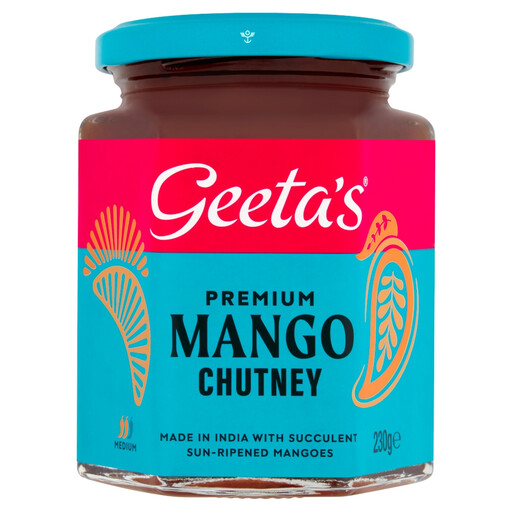
Why This Fits Their Persona: Perfect for those who appreciate a traditional, high-quality accompaniment for curries, poppadoms or a mature cheddar. It delivers the authentic sweet and tangy flavour expected of a classic Indian mango chutney.
It avoids the sugar trap by listing mangoes (56%) as the primary ingredient. The use of whole spices like cumin seeds and cardamom pods ensures an authentic, complex flavour, not a simple sweet one.
Rich, chunky texture with real fruit pieces. Contains whole spices for an authentic aromatic taste.
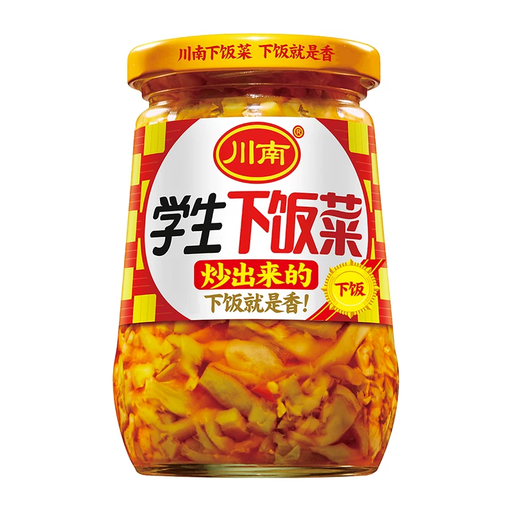
Why This Fits Their Persona: For those seeking authentic Asian pantry staples to add a powerful umami and spicy kick to stir-fries, noodles or congee. This is a complex, savoury condiment, not a sweet relish.
This product avoids the flavour fa?ade by using a diverse mix of real ingredients like preserved mustard tuber, radish and cowpeas. The flavour comes from the vegetables and spices, not artificial additives.
A complex blend of multiple pickled vegetables provides varied textures. Preserved in rapeseed oil for a rich, savoury flavour base.
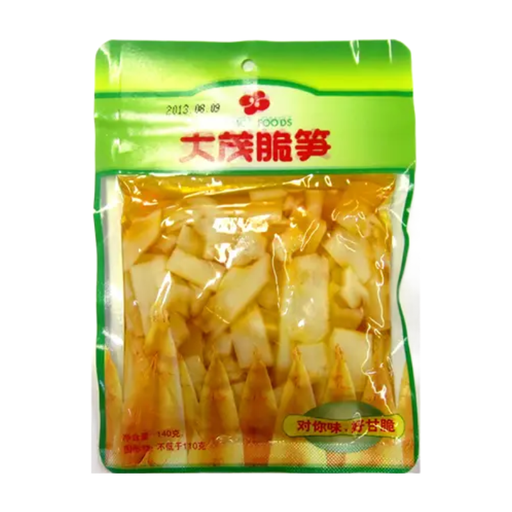
Why This Fits Their Persona: An ideal ready-to-eat option for busy individuals. It can be added directly to noodles, rice or salads for an instant upgrade in flavour and texture, requiring zero preparation.
This product directly counters the texture mismatch pitfall. It is specifically marketed as "crispy and tender", a key feature of quality pickled bamboo shoots, delivering the satisfying crunch that buyers expect.
Ready-to-eat straight from the package. Provides both savoury flavour and a crunchy texture to simple meals.
We have compiled a complete, real-time list of products that fully satisfy these strict selection criteria and UK safety regulations.
Most commercially produced chutneys and pickles should be refrigerated after opening. The acidity and preservatives help them last, but refrigeration is key to maintaining their quality and safety. Always check the label for specific storage instructions, but a good rule of thumb is to consume them within 4-6 weeks of opening.
While the terms are often used interchangeably, there is a subtle difference. Chutneys, originating from India, are typically fruit or vegetable-based and cooked slowly with spices and sugar to a jam-like consistency. Relishes are more varied; they can be cooked or uncooked and are often chunkier, with a base of chopped vegetables in a vinegar brine.
Yes, quite different. British pickles like piccalilli are almost always vinegar-based, giving them a sharp, tangy flavour profile. Many Asian pantry staples, such as Chinese pickled vegetables, are preserved in oil with salt, chilli and spices like Sichuan peppercorns, resulting in a savoury, umami-rich and often spicy taste. They serve less as a side and more as an integral flavour component in a dish.