Cinema-goers limiting fat per snack
If you plan to eat one bar during a film, the declared fat per bar is a useful starting point. Read its weight too: a smaller bar is not the same-sized snack as a larger one.


Among the five named bars compared here, Alpen Light Chocolate & Fudge has the lowest declared fat per individual bar: Weetabix Cereals lists 1.2 g for a 19 g bar. That small portion may not suit everyone, so compare fat and serving weight together, check the exact pack for allergens, and confirm your cinema permits outside food.
If you plan to eat one bar during a film, the declared fat per bar is a useful starting point. Read its weight too: a smaller bar is not the same-sized snack as a larger one.
Choose by the exact variant and its current pack, not by the brand alone. The named examples include bars containing nuts, soya, milk or gluten-containing cereals, as well as precautionary allergen statements.
A packaged bar is straightforward to carry, but check your booked cinema’s food policy before buying it for the trip. ODEON says it generally allows guests to bring their own snacks and drinks; that does not establish the policy at another venue.
Decide how much you expect to eat during the film, then compare the nutrition information for that amount. Front-of-pack wording cannot replace the fat figure and serving size on the exact bar.
| Priority | What to check | Your needs |
|---|---|---|
| Fat per snack | Read fat per bar and the bar’s weight together. Among the named examples, Weetabix Cereals lists 1.2 g fat per 19 g Alpen bar, while nākd. lists 4.9 g per 35 g Cocoa Delight bar. | I plan to eat one bar and want to compare the fat in that portion, rather than assume two differently sized bars are equivalent. |
| Pack claims | Check the nutrition table when a bar says “light”, “less sugar” or “no added sugar”. GOV.UK says nutrition claims, including “low fat”, are subject to rules; those other phrases do not establish a reduced-fat comparison. | A sugar or protein claim may interest me, but I still want to know the fat amount in the bar I will eat. |
| Allergens | Read the exact variant’s ingredients and precautionary allergen wording on its current pack. Recipes within a brand need not have the same ingredients. | If I avoid a particular ingredient, the packaging needs to meet that requirement before portion size or flavour matters. |
| Portion size | Compare grams and energy per bar as well as fat. Weetabix Cereals lists 19 g and 65 kcal for the named Alpen bar; Myprotein lists 50 g and 217 kcal for Trek Original Oat Protein Flapjack. | Would one small bar be enough for my planned snack, or am I likely to eat more than one serving? |
| Cinema policy | Check the current rules for your booked venue before taking food in. ODEON’s stated approach to outside snacks does not set the rules for every cinema. | I would rather confirm I can bring the bar before buying it specifically for the screening. |
They describe different things. Tesco Groceries lists 6.7 g fat per 30 g Graze Cherry Bakewell Oat Boosts serving, despite Graze’s separate less-sugar positioning.
Read fat, saturates and serving weight from the nutrition table instead of using a sugar claim as a shortcut.
A fat-per-bar figure describes that particular portion. The named Alpen bar is 19 g, whereas the named Trek flapjack is 50 g, so the figures do not describe equal quantities of food.
Decide how many bars you intend to eat. If it is two, use two servings when working out the nutrition for your snack.
The named nākd. Cocoa Delight bar contains cashews, while the named Nature Valley Coconut & Almond bar contains almonds and peanuts. Trek Original Oat Protein Flapjack has a precautionary warning for peanuts and other nuts.
Check the ingredients and precautionary statement on the physical pack of the exact variant before eating it.
ODEON says guests can generally bring their own snacks and drinks, but one chain’s statement does not answer what your booked venue permits.
Check the venue’s current policy before relying on a bar brought from home.
These brand examples show why the exact recipe and serving matter more than a range name. Their inclusion here does not mean every variant has the same nutrition or allergen information.
Alpen Light Chocolate & Fudge is a small cereal-bar option for someone comparing fat in one bar.
Cocoa Delight is a fruit-and-nut option for shoppers interested in the variant’s vegan, gluten-free and dairy-free positioning.
Oat Boost is worth considering if you prefer an oat-flapjack format, but its sugar positioning answers a different question from fat per bar.
The named Protein + Fibre Coconut & Almond bar serves a protein-and-fibre preference rather than a lowest-fat-per-bar objective.
Original Oat Protein Flapjack is a larger oat-based option when the size and protein content of the snack matter more than minimising fat per bar.
Eat Natural’s protein fruit-and-nut range includes recipes built around nuts and seeds.
These Joybuy options include fruit-and-nut, cereal and oat-bar formats for a cinema snack. For the reduced-fat decision, compare the current pack’s fat per serving with its serving weight; a product name such as “Light” does not settle that comparison.
 No image available
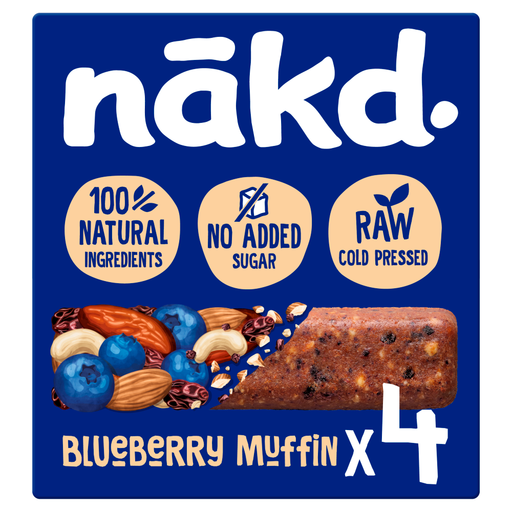
A fruit-and-nut bar format if you want one portion to take to the cinema. Check the current pack’s fat and sugars per 35 g bar; its no-added-sugar positioning does not answer either question. Check the ingredients carefully if you avoid cashews or almonds.
 No image available
The stated 21.5 g portion makes serving size particularly relevant if you are choosing one bar for a film. Check fat per bar on the current pack and read its allergen statement, particularly if you avoid cereals containing gluten, milk or soya.
 No image available
This cereal-bar option carries “Light” in its name; use the current nutrition table to assess fat for the portion you would eat. Check the ingredients if you avoid gluten-containing cereals, milk or soya.
 No image available
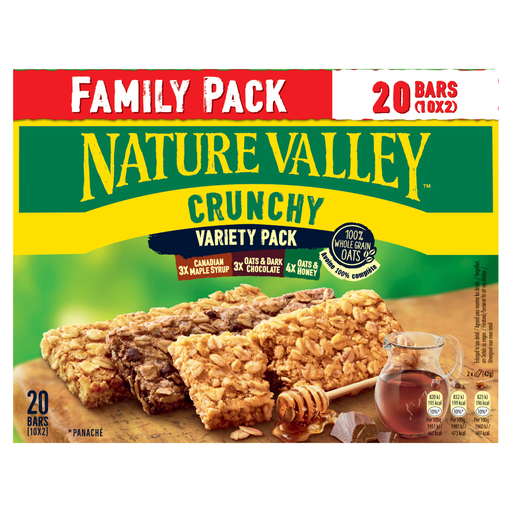
If you choose a crunchy bar for the cinema, consider whether its texture suits a quiet screening. Check how many bars the pack treats as one serving before using its fat figure, and read the current precautionary allergen statement for peanuts and tree nuts.
 No image available
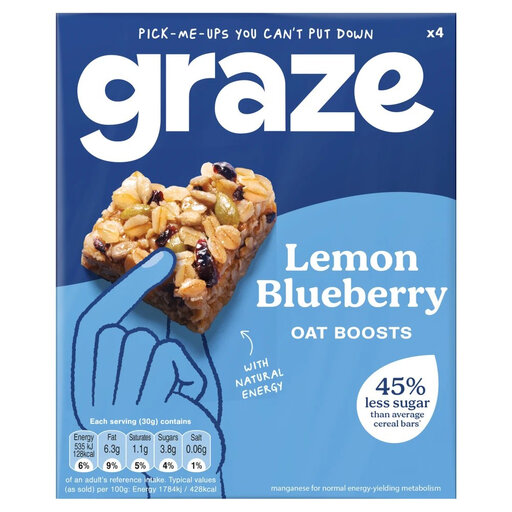
An oat-bar option if you prefer that format for a film. Graze’s less-sugar positioning does not establish the fat content of this Lemon Blueberry variant: compare the current pack’s fat per 30 g bar, and read its precautionary allergen wording.
No. Those words do not, by themselves, establish a reduced-fat comparison. Read fat and serving size on the exact bar’s nutrition table; GOV.UK says nutrition claims such as “low fat” are subject to rules.
Among the five named examples compared here, Alpen Light Chocolate & Fudge has the lowest declared fat per individual bar. Weetabix Cereals lists 1.2 g fat for a 19 g bar, so consider whether one small bar matches the portion you intend to eat.
Check the current policy at your booked venue before taking one. ODEON says it generally allows guests to bring their own snacks and drinks, but that statement does not establish another cinema’s rules.
Check the exact variant’s current ingredients and precautionary statement. Among the named examples, nākd. Cocoa Delight contains cashews, Nature Valley Protein + Fibre Coconut & Almond contains almonds and peanuts, and Trek Original Oat Protein Flapjack has precautionary warnings for peanuts and other nuts.
No. Nature Valley lists 9.3 g fat per 36 g Protein + Fibre Coconut & Almond bar, while Myprotein lists 9.8 g per 50 g Trek Original Oat Protein Flapjack. If fat per cinema snack is your priority, compare the portion you would actually eat rather than choosing by protein wording.