
24/7 Customer Support

Free returns

Same-day & Next-day Delivery

Quality Guaranteed

Unlock Your Welcome Offers: FREE Delivery | Up to 80% OFF | Free 30-day JoyPlus trial
Download the APP
Fresh juice can be simple to make at home, but choosing the wrong citrus juicer may leave you with a difficult-to-clean appliance, limited capacity or more preparation than expected. UK households also need to consider plug compatibility, available worktop space and whether a manual or electric design suits their routine.
This guide explains the practical features worth checking before buying, then matches several options to different household needs.
A large-looking appliance may still have a small collection container. Check the stated juice capacity in millilitres or litres, rather than judging by the size of the housing. A 1.4L container may be more suitable for serving several people than a compact lemon squeezer designed for one drink or recipe at a time.
Also consider pulp handling. A pulp separation juicer can make serving more convenient, but only if the pulp filter is removable and straightforward to rinse.
Citrus pulp and sticky juice residue can dry quickly around cones, filters, spouts and seals. Marketing descriptions often focus on removable parts without explaining how many pieces need washing.
Before purchasing, look for:
A manual lemon squeezer has fewer parts, while an electric citrus juicer may offer greater convenience but require more disassembly after use.
For an electric appliance, check the voltage, frequency, plug type and included instructions before ordering. Product listings can include international specifications, so do not assume that every model is ready for a UK socket. If an adapter is required, confirm that it is suitable for the appliance’s power rating.
Look for relevant product safety information, a clear manufacturer or responsible-person address, and instructions covering cleaning and safe operation. Never use an appliance with damaged cables, loose parts or an unsuitable adapter.
A manual lemon squeezer is compact, quiet and useful for dressings, baking and occasional drinks. It does not need a socket and can be stored in a drawer. However, pressing several oranges manually may require more hand effort.
An electric orange juicer is more appropriate when you regularly prepare multiple servings. One-touch or press-style operation can reduce effort, although the motor, cone and collection parts need cleaning after use.
For one person, a small container may be sufficient. Families should consider a larger juice reservoir to avoid stopping repeatedly. The ochama Electric Citrus Juicer has a listed 1.4L capacity, while the Nutribullet model includes an 800ml juice pitcher and a 1.5L pulp basin.
Remember that fruit size, pulp preference and the type of citrus will affect the practical amount collected. Capacity is a guide, not a guarantee of how many oranges a machine will process in one session.
If you prefer smoother juice, adjustable pulp levels or a removable filter can be useful. The Bear citrus juicer lists five adjustable pulp levels, allowing users to alter the texture for different preferences.
For broader fruit and vegetable use, a wide feed chute can reduce chopping. The Nutribullet model lists a 3-inch, or 7.6cm, chute, but users must still follow the instructions regarding preparation, rind, stones and unsuitable ingredients. A citrus-specific press is generally more focused on oranges, lemons, tangerines and similar fruit.
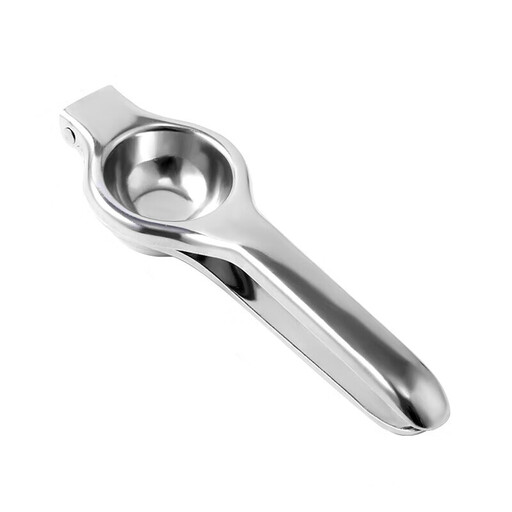
Why This Fits Their Persona: A straightforward choice for occasional lemon juice in cooking, baking, drinks or dressings without buying a powered appliance.
Its manual format avoids electrical compatibility questions, motor noise and powered-appliance maintenance.
Stainless steel construction is listed in the product name; compact manual operation needs no cable or socket.
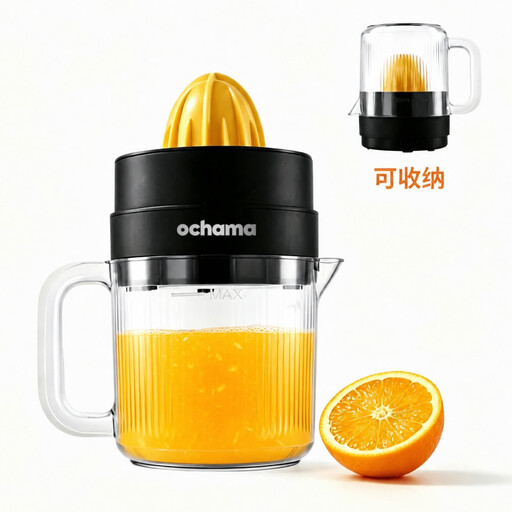
Why This Fits Their Persona: Suitable for households wanting powered pressing, a larger container and a citrus-focused design for regular drinks.
The listing specifies a removable structure, pulp separation and a bladeless pressing method, addressing cleaning and safety concerns.
Listed features include a 30W motor, 1.4L capacity, pulp separation and compatibility with oranges, lemons, tangerines and pomegranates.

Why This Fits Their Persona: Designed for users who want a broader fruit juice extractor for citrus, apples, berries and selected vegetables, rather than a citrus-only machine.
Its listed 1.5L pulp basin reduces the need for frequent emptying during larger preparation sessions, while the two-speed control matches softer and harder produce.
The listing specifies an 800W motor, 3-inch feed chute, 800ml pitcher and dishwasher-safe sieve, pulp basin and pitcher.
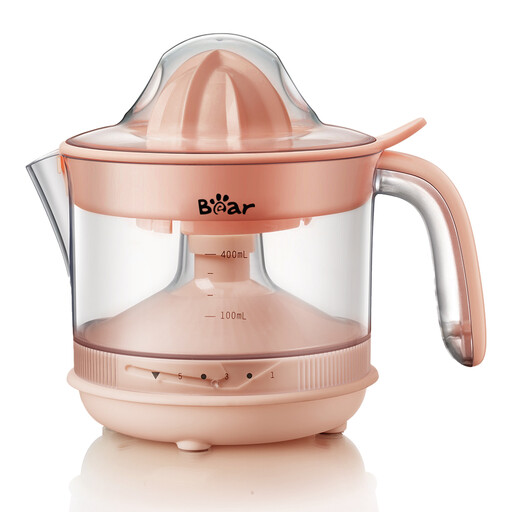
Why This Fits Their Persona: A compact electric option for smaller kitchens, occasional family use or anyone who wants to store a portable citrus juicer easily.
The listing identifies one-touch operation, no installation and five pulp settings, making the intended use clearer than vague “multi-function” claims.
Listed features include a 110mm feed chute, pulp separation, compact construction and a 24-month warranty period.
We have compiled a complete, real-time list of products that fully satisfy these strict selection criteria and UK safety regulations.
It depends on how often you prepare juice. A manual lemon squeezer is practical for small quantities and uses no electricity. If you make orange juice several times a week, an electric press may reduce hand effort and preparation time. Compare the appliance’s cleaning routine with your expected frequency of use.
Lifespan depends on frequency of use, cleaning, storage and whether the appliance is operated within its instructions. Do not overload the feed chute, force the pusher or run a motor with loose parts. Unplug the machine before cleaning, keep the motor base dry and replace damaged components rather than continuing to use them.
Running cost depends on the appliance’s wattage and how long it operates. For example, a 30W press and an 800W centrifugal juicer have different rated power outputs, but the higher-powered model may run for a shorter period and is designed for a wider range of produce. To estimate cost, multiply the appliance’s kilowatt rating by operating time and your electricity tariff.