
24/7 Customer Support

Free returns

Same-day & Next-day Delivery

Quality Guaranteed

Unlock Your Welcome Offers: FREE Delivery | Up to 80% OFF | Free 30-day JoyPlus trial
Download the APP
Fresh lemon, lime, orange or grapefruit juice can be useful for drinks, cooking and baking, but choosing a citrus juicer is not always straightforward. Product listings often highlight extraction power or “easy” operation without explaining how the design affects cleaning, storage or everyday usability.
Before buying, watch for three common pitfalls:
The right citrus juicer depends on how often you juice, the fruit you use and whether you prefer hands-on control or push-button convenience.
A manual citrus juicer uses hand pressure or a lever to extract juice. It does not need a socket, creates little noise and is convenient for occasional use. A manual lemon juicer or lemon squeezer is usually suitable when you need a small quantity for salad dressing, baking or cooking.
An electric citrus juicer reduces the physical effort involved. It can be more suitable for regular orange juice or larger quantities, although you will need worktop space, a suitable power supply and a cleaning routine.
For UK kitchens, check whether an electric model includes a suitable UK plug or requires an adaptor. Product instructions should also explain safe operation, cleaning and storage.
A built-in filter can catch pips and larger pieces of pulp while you pour. If you prefer different textures, look for a pulp separation juicer with adjustable pulp levels or a removable strainer.
The Bear CZJ-A04B1, for example, lists five adjustable pulp levels, while the Chef Aid manual design includes an integrated strainer for collecting pips and pulp. These are different approaches, so consider whether you want a smoother drink or more control over texture.
Capacity should match your typical routine. A compact lemon juicer is easier to store and may be more practical for occasional use. For family breakfasts, a larger reservoir can reduce the need to empty the container repeatedly.
Also check the fruit opening or cone size. The Bear model lists a 110mm feed chute, which is a useful specification for shoppers who regularly prepare larger oranges. For a portable tool, dimensions and weight matter more than container capacity.
Other practical details include:

Why This Fits Their Persona: A practical option for UK households that want fresh juice without an electric appliance, complicated setup or ongoing power use.
Its integrated strainer addresses pips and pulp, while the non-slip base helps reduce movement and spills during manual pressing.
BPA-free polypropylene construction, dishwasher-safe design and a reservoir with pour spout.
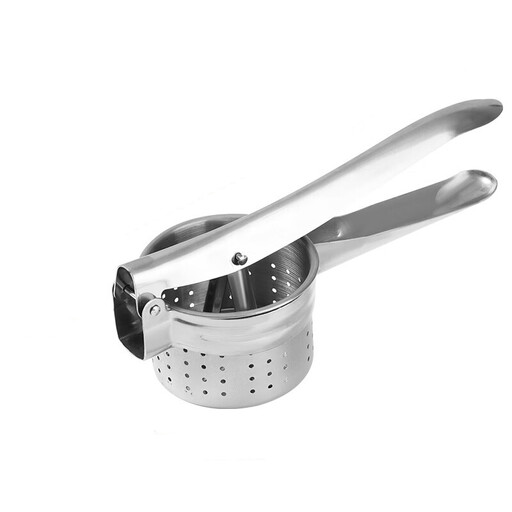
Why This Fits Their Persona: Suitable for shoppers who prefer a durable-looking metal design and a straightforward manual fruit juicer for regular kitchen use.
A manual format avoids motor-related cleaning concerns and does not require electricity for occasional juicing.
Stainless steel construction and a simple press format for lemons, limes and other citrus fruit.
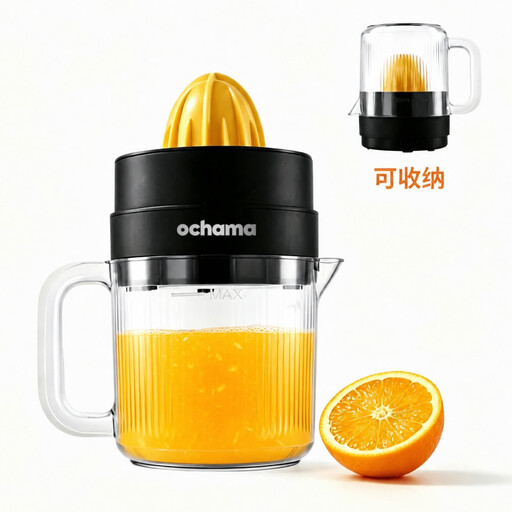
Why This Fits Their Persona: A suitable match for households making several servings of orange, lemon or other citrus juice and looking to reduce manual effort.
The 1.4L container gives the capacity information that many listings leave unclear, while removable parts support a defined cleaning routine.
30W electric pressing system, pulp separation, bladeless operation and use with oranges, lemons, tangerines and pomegranates.
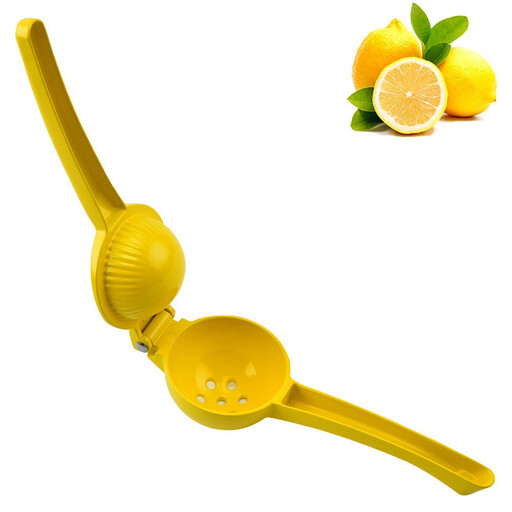
Why This Fits Their Persona: Designed for shoppers who want a compact lemon squeezer for quick use at home, in a caravan or when preparing drinks away from the main kitchen.
Its manual clip format avoids the need to find a socket or store a powered base, making the intended use clear.
Portable manual design and suitability for small quantities of lemon juice.
For any fruit juicer, follow the product instructions and check these points before use:
The Bear model specifically advises keeping the appliance away from children under six and stopping use if it becomes unusually hot, emits smoke or makes abnormal noises. Its listed warranty period is 24 months, but warranty terms should be checked before purchase.
We have compiled a complete, real-time list of products that fully satisfy these strict selection criteria and UK safety regulations.
Yes, provided the reamer, cone or press is sized for the fruit. Manual models work well for occasional orange juice, although an electric press can reduce effort when preparing several servings.
Running cost depends on the appliance’s wattage and how long it operates. For example, the ochama model lists a 30W motor. Because citrus juicing usually involves short operating periods, compare the rated wattage alongside capacity and cleaning convenience rather than focusing on wattage alone.
There is no universal lifespan. Durability depends on construction, frequency of use, cleaning and storage. Look for clear material information, removable parts, safe operating instructions and any stated warranty. A simple manual lemon juicer has fewer powered components, while an electric model may offer greater convenience for frequent use.