
24/7 Customer Support

Free returns

Same-day & Next-day Delivery

Quality Guaranteed

Unlock Your Welcome Offers: FREE Delivery | Up to 80% OFF | Free 30-day JoyPlus trial
Download the APP
Fresh lemon, lime or orange juice can improve a recipe or drink, but choosing a citrus juicer is not always straightforward. Product listings often highlight capacity, extraction performance and convenience while leaving out the details that affect everyday use.
Before buying, consider three common traps:
The right choice depends on how often you juice, which fruits you use and whether you value quiet, hands-on preparation or one-touch operation.
A manual citrus juicer is usually suitable for occasional lemon, lime or small orange preparation. It does not require a plug socket, creates little noise and is easy to put away. A handheld lemon juicer can also be useful when preparing a small quantity for cooking or adding to a drink.
An electric citrus juicer is more appropriate when you regularly prepare several oranges, grapefruits or other citrus fruits. Press-assisted models can reduce the physical effort involved, although they require worktop space and access to a socket. Check the stated wattage, operating controls and whether the motor base can be wiped clean without immersion.
If you prefer smooth juice, look for a pulp separation juicer with an integrated filter or adjustable pulp settings. A basic lemon squeezer may allow seeds to pass into the juice, while a reamer with a strainer can catch larger pieces of pulp and pips.
For households with different preferences, adjustable levels are practical. One person may prefer filtered orange juice, while another may want more natural pulp. Confirm whether the filter is removable before buying, as dried citrus residue can be difficult to remove from narrow spaces.
Materials should be assessed alongside construction rather than treated as a marketing shortcut. Stainless steel can be useful for a manual press because it is resistant to everyday kitchen moisture and does not rely on a motor. Plastic components should be clearly identified as food-contact parts, and buyers should follow the manufacturer’s care instructions.
A dishwasher-safe citrus juicer can reduce cleaning time, but “dishwasher safe” may apply only to removable components. The motor housing of an electric fresh juice extractor should never be submerged. A non-slip base is also valuable, particularly when pressing firm fruit on a smooth worktop.
Consider the opening size as well. A larger feed chute can reduce preparation time for oranges, while a compact reamer may be more convenient for lemons and limes.
The following options match different household routines, from occasional recipe preparation to regular orange juicing.
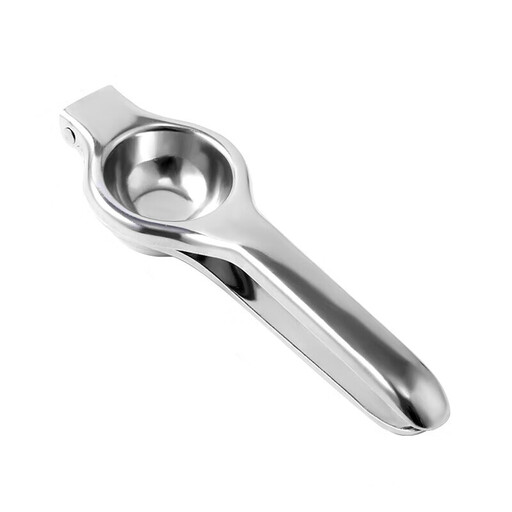
Why This Fits Their Persona: A straightforward handheld lemon squeezer suits renters, students and occasional cooks who want a compact tool for lemons and limes without an electrical appliance.
Its manual format avoids motor maintenance and electricity use. Check the product dimensions and fruit size suitability before ordering.
Stainless-steel construction; no plug, motor or electrical controls required.
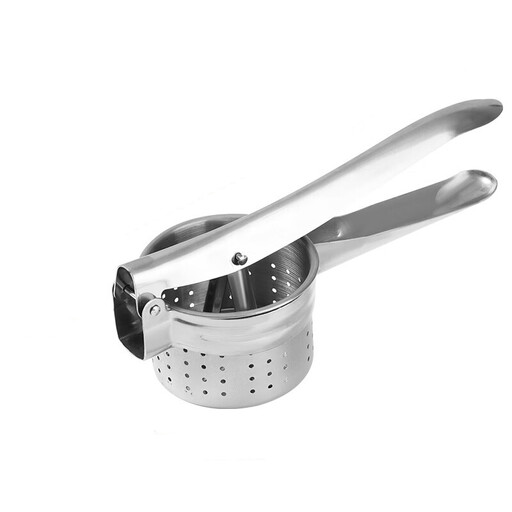
Why This Fits Their Persona: This option is suited to shoppers prioritising a durable-feeling manual tool for regular kitchen preparation and recipe work.
A manual design avoids the assumption that more electrical power automatically means easier ownership or cleaning.
Stainless-steel design; suitable for non-powered juice preparation.
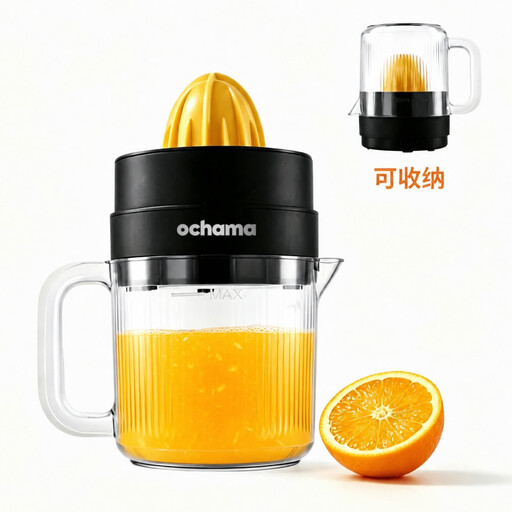
Why This Fits Their Persona: The 1.4-litre capacity and electric press format are suited to households making larger quantities of orange, lemon or other citrus juice.
Its removable structure addresses the cleaning concern, while the stated 30W motor and no-blade pressing system clarify how it operates.
1.4-litre container; removable parts; pulp separation; blade-free pressing design.

Why This Fits Their Persona: A household preparing lemon, lime, orange or grapefruit juice occasionally may value the integrated reservoir, pour spout and simple worktop operation.
The built-in strainer tackles seed and pulp concerns, while the non-slip base helps reduce movement during pressing.
BPA-free polypropylene; dishwasher-safe design; built-in strainer; non-slip base.
We have compiled a complete, real-time list of products that fully satisfy these strict selection criteria and UK safety regulations.
For electric models, follow the supplied safety warnings regarding children, rotating components and utensils. A blade-free design can reduce certain risks, but moving cones and grating surfaces may still cause injury if handled during operation.
Yes, provided the reamer or press is large enough for the fruit. Manual tools are particularly practical for one or two oranges, lemons or limes. For repeated batch preparation, an electric orange juicer with a larger feed area and collection container may require less physical effort.
Lifespan depends on construction, cleaning and frequency of use. A manual lemon squeezer has fewer working parts, while an electric model includes a motor and removable components that need regular care. Avoid forcing oversized fruit into a small tool and replace any part that becomes cracked, loose or difficult to clean.
Running cost depends on the appliance’s wattage and operating time. For example, a 30W model uses relatively little electricity per minute of operation, but the exact cost depends on your tariff. Check the wattage label and use the juicer only for the time needed to extract the juice.