
24/7 Customer Support

Free returns

Same-day & Next-day Delivery

Quality Guaranteed

Unlock Your Welcome Offers: FREE Delivery | Up to 80% OFF | Free 30-day JoyPlus trial
Download the APP
A citrus juicer can make lemons, limes, oranges and grapefruits easier to prepare, but choosing the wrong design may leave you with sticky worktops, wasted fruit and difficult cleaning. UK shoppers often compare price and appearance first while overlooking the details that affect everyday use.
Before buying a citrus juicer, watch for these common pitfalls:
A manual citrus juicer is generally compact, quiet and ready to use without a socket. Handheld lemon squeezers work well for salad dressings, cocktails and cooking, while worktop presses with a reservoir are more suitable for collecting juice for several people.
An electric citrus juicer can reduce repetitive hand pressure when preparing multiple oranges or grapefruits. Look for straightforward controls, a stable base and removable parts. The motor base should not be immersed in water and the appliance should be unplugged before cleaning or disassembly.
A non-slip base helps keep a worktop juicer in position. Check the dimensions if you have limited kitchen space, particularly in a smaller UK flat or galley kitchen. A portable lemon squeezer may fit in a drawer, whereas a worktop orange juicer needs space for both use and storage.
For electric models, the feed opening or cone size matters. A larger opening can reduce the need to cut or resize fruit, but it may also make the appliance larger. Consider whether you usually juice small limes, standard lemons or larger oranges.
A ribbed reamer can help grip halved fruit, while a deep strainer catches seeds and some pulp. If you prefer to adjust texture, look for adjustable pulp levels. If you prefer smooth juice, an integrated filter is more useful than a simple open cone.
Dishwasher compatibility can save time, but confirm which parts are suitable for the dishwasher. For example, the Chef Aid model below is described as BPA-free and dishwasher-safe, while its product information also specifies a built-in strainer and non-slip base. Electrical motor housings should be cleaned according to the supplied instructions rather than submerged.
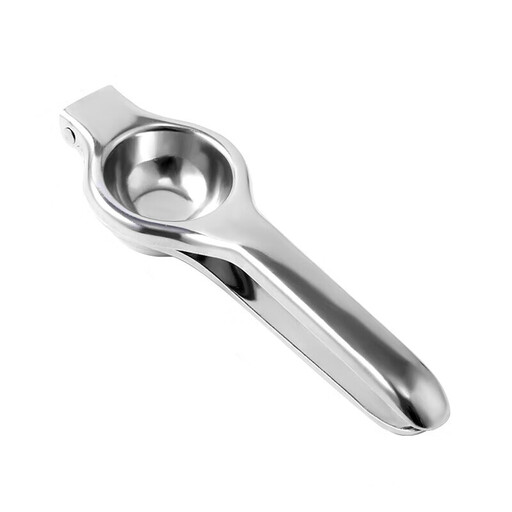
Why This Fits Their Persona: A handheld lemon squeezer suits shoppers who mainly need small amounts of juice for cooking, dressings or drinks and want a compact tool without an electrical connection.
Its stainless-steel construction avoids a cable or motor that would need separate storage and care. Check the product page for cleaning instructions before placing it in a dishwasher.
Manual operation; stainless-steel design; suitable for direct, small-batch lemon pressing.
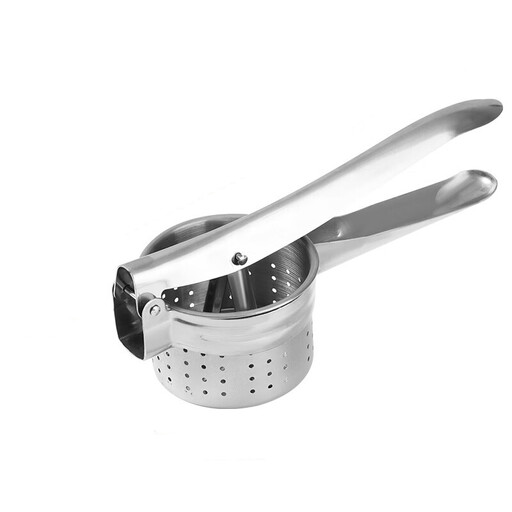
Why This Fits Their Persona: This option is suited to buyers who favour a stainless-steel kitchen tool and want a manual approach for regular citrus preparation without motor noise.
A manual stainless-steel format keeps the mechanism simple. Review its dimensions and care details to ensure the shape matches your sink, drawer and preferred cleaning routine.
Stainless-steel construction; no electricity required; appropriate for hands-on citrus pressing.
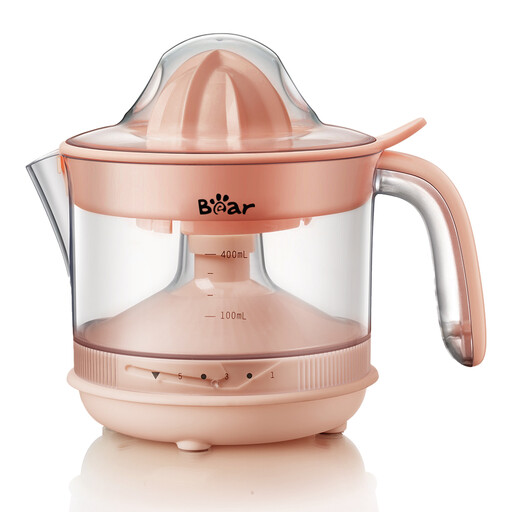
Why This Fits Their Persona: A household preparing several servings of orange or lemon juice may value one-touch electric operation, a 110mm feed chute and control over juice texture.
The product information lists five adjustable pulp levels, a 110mm opening and a 24-month warranty. Follow the stated safety guidance: use a stable, dry surface and keep the motor base away from water.
One-touch operation; five pulp settings; compact design; no installation required.

Why This Fits Their Persona: This worktop manual citrus juicer suits UK kitchens where a compact, stable tool is needed for lemons, limes, oranges or grapefruit without dedicating space to an electric appliance.
The non-slip base addresses movement, while the integrated strainer catches pips and pulp. Its stated dishwasher-safe construction also reduces hand-cleaning time.
Non-slip base; built-in strainer; BPA-free polypropylene; dishwasher-safe parts as described by the listing.
Choose a manual model if you mostly need juice for recipes, sauces, baking or occasional drinks. It usually has fewer components and no electricity cost, although pressing several oranges requires more physical effort.
An electric citrus juicer is more suitable when you prepare juice frequently or want one-touch operation. Running costs are generally limited to electricity use, but the overall ownership requirements include safe cable storage, motor care and cleaning around removable components. Check the UK plug, voltage information, warranty and returns policy before ordering an electrical appliance.
A portable juicer, such as a clip-style lemon squeezer, can be useful for picnics, packed lunches or a kitchen with limited worktop space. However, portable designs normally collect less juice at a time and may require more manual pressure.
We have compiled a complete, real-time list of products that fully satisfy these strict selection criteria and UK safety regulations.
Yes. Most citrus presses and reamers are designed for small fruits such as lemons and limes. A handheld lemon and lime juicer is convenient for small quantities, while a worktop model may offer a reservoir and filter for collecting more juice.
Lifespan depends on construction, frequency of use and cleaning. Manual metal models have fewer moving parts, while electric models require correct motor care and should not be operated with damaged components. Rinse citrus residue promptly, dry parts thoroughly and follow the manufacturer’s instructions.
An electric citrus juicer uses power only while its motor is operating, so occasional use typically limits electricity consumption. The more relevant comparison is whether the speed and reduced hand effort justify the purchase price, storage space and additional cleaning requirements for your household.