
24/7 Customer Support

Free returns

Same-day & Next-day Delivery

Quality Guaranteed

Unlock Your Welcome Offers: FREE Delivery | Up to 80% OFF | Free 30-day JoyPlus trial
Download the APP
By Joybuy Product Recommendation Officer
Fresh orange juice with breakfast, lemon juice for cooking or lime juice for drinks can be simple to prepare at home, provided you choose a citrus juicer that matches your routine. The wrong model, however, may take up valuable worktop space, leave seeds in your drink or create more washing-up than expected.
This guide explains the practical differences between electric and manual designs, the specifications worth checking and which types of user may suit particular models available at Joybuy.
A citrus juicer is designed for oranges, lemons, limes and grapefruits. It normally uses a reamer or press rather than a high-speed blade. A general fresh juice extractor or slow juicer can handle a wider range of fruit and vegetables, but may be larger, heavier and more involved to assemble.
If you mainly want morning orange juice, a dedicated citrus model is usually easier to store and operate. If you also plan to juice leafy greens, apples or carrots, a masticating machine may offer broader functionality.
A large jug does not automatically mean the appliance is suitable for a family. Check whether the stated capacity is for juice, pulp or the entire container, and consider how much juice you make in one session. A 1L jug can suit a couple or a small household, while a 1.4L design may reduce the need to empty the container during family use.
Also look for a pouring lip, transparent markings and a stable base. These details can matter more in daily use than a headline extraction claim.
Citrus pulp and seeds can dry quickly around filters and reamers. Removable, dishwasher-safe parts are useful, but the motor base should never be placed in water. Buyers should also check the appliance footprint, cord storage and the space needed to remove the jug or filter.
A compact juicer that is easy to reach may be used more often than a larger appliance kept at the back of a cupboard.
An electric citrus juicer reduces the physical effort involved in pressing and rotating fruit. One-touch controls and automatic or two-way rotation are useful when preparing several oranges or grapefruits.
A manual citrus juicer needs no mains power and is generally straightforward to store. It can work well for occasional lemon or lime juice, although pressing larger fruit may require more hand pressure.
For powered models in the UK, check that the appliance is designed for 220–240V, 50–60Hz domestic supply. Always follow the supplied instructions and unplug the machine before disassembly or cleaning.
A stainless steel filter can help separate seeds and larger pieces of pulp from the juice. Some products provide adjustable pulp levels, while others use a fixed strainer. If household preferences differ, adjustable control may be more convenient.
Remember that “pulp-free” results depend on the fruit and how the appliance is operated. A filter may need rinsing between batches to maintain a steady flow.
Measure your available worktop and cupboard space before ordering. Compact models may be suitable for smaller UK kitchens, while larger slow juicers need more room for their feeding chute, pulp container and juice jug.
Capacity should be matched to usage:

Why This Fits Their Persona: A practical choice for renters, occasional juicers and shoppers who prefer a non-electric tool for lemons, limes, oranges and grapefruits.
It avoids unnecessary motor, cord and voltage considerations, while the integrated strainer helps catch pips and pulp during use.
Non-slip base, storage cup, pour spout and dishwasher-safe BPA-free polypropylene construction.
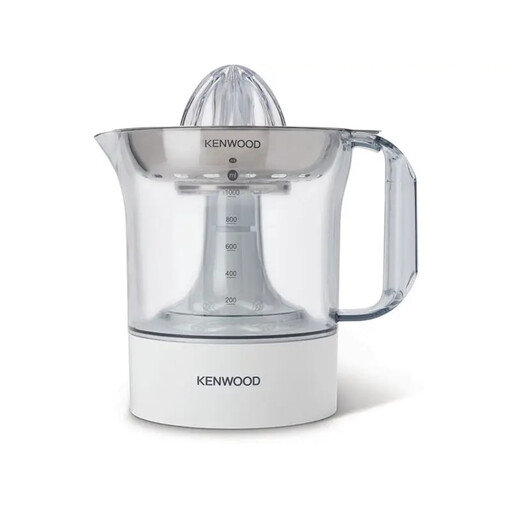
Why This Fits Their Persona: Suitable for regular home use where a compact electric appliance, tidy storage and a generous jug are priorities.
The 1L transparent jug makes volume visible, and the detachable dishwasher-safe parts address the common cleaning drawback.
40W motor with two-way rotation, stainless steel filter, universal reamer and a weight of approximately 0.962kg.
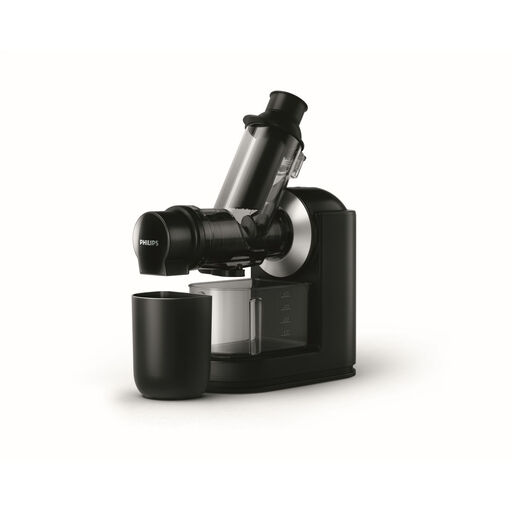
Why This Fits Their Persona: Designed for households that want citrus juice alongside juice from fruit, vegetables and leafy greens.
Its wider 70mm feeding tube and separate pulp container make it more suitable for varied produce than a citrus-only reamer.
100 RPM masticating technology, 1L juice container, 0.75L pulp container, anti-drip function and dishwasher-safe detachable parts.
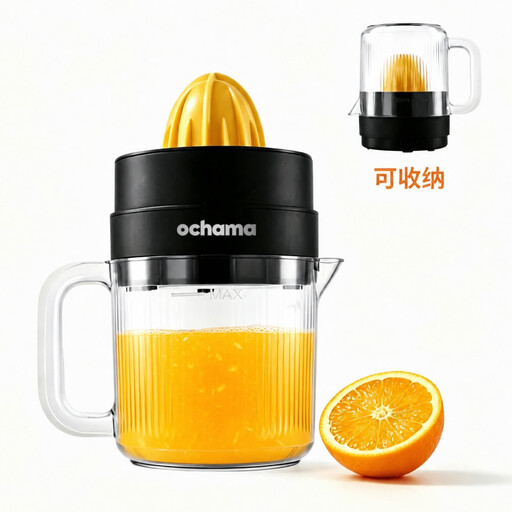
Why This Fits Their Persona: The larger jug is suited to households preparing several servings of orange, lemon or other citrus juice in one session.
Its semi-automatic pressing format reduces repeated manual pressure, while the bladeless design avoids the blade-cleaning issue found on some general juicers.
1.4L capacity, removable components and a pulp-separation design for home use.
We have compiled a complete, real-time list of products that fully satisfy these strict selection criteria and UK safety regulations.
A dedicated electric citrus juicer generally has a lower rated power requirement and is used for shorter periods, while a slow juicer may have a higher motor rating and more components. Actual running cost depends on the appliance’s wattage, usage time and electricity tariff. For occasional citrus juice, the difference may be small; the larger consideration is whether you need to process other produce.
Lifespan depends on frequency of use, cleaning, storage and how the appliance is handled. Avoid forcing oversized fruit onto the reamer, allow the motor to follow the supplied operating guidance and replace damaged parts where appropriate. Manual models have fewer electrical components, while electric models require additional care around the motor base and cord.
Not necessarily. A pulp separation juicer with a fine filter can reduce seeds and larger pieces, but some fine pulp may pass through. Look for adjustable pulp settings if different people in your household prefer different textures. A separate sieve can provide additional straining when preparing juice for recipes or serving.