
24/7 Customer Support

Free returns

Same-day & Next-day Delivery

Quality Guaranteed

Unlock Your Welcome Offers: FREE Delivery | Up to 80% OFF | Free 30-day JoyPlus trial
Download the APP
By Joybuy Product Recommendation Officer
Choosing clarifying skincare products is not simply about finding the strongest acid or the most impressive “deep-clean” promise. UK shoppers may be looking for help with excess oil, blocked pores, uneven texture, blemishes, dullness or scalp build-up, but the wrong formula can leave skin feeling tight and uncomfortable.
The practical approach is to match the product’s ingredients, frequency and format to your skin or scalp rather than buying several highly active products at once.
A high concentration of exfoliating ingredients is not automatically suitable for daily use. Salicylic acid is oil-soluble and commonly selected for oily or congested areas, while glycolic acid is a water-soluble AHA often used to improve the appearance of surface texture. Both may feel too intense if introduced too frequently, particularly when combined with retinoid-based products or other exfoliators.
Start with one active clarifying product and follow the directions on its packaging. A patch test is sensible for new leave-on formulas.
A clarifying toner or exfoliating toner may contain acids, witch hazel, alcohol, fragrance or absorbent powders. These affect how the formula feels and how often it may be appropriate to use.
For example, a salicylic acid toner may suit an oily T-zone, while an alcohol-free option may be more comfortable for sensitive skin. Check the full ingredient list rather than relying on front-label wording such as “refreshing”, “detox” or “pore refining”.
Clarifying routines can become counterproductive when cleansing and exfoliation are followed by no moisturiser. Skin that feels dry may need a lightweight clarifying moisturiser containing humectants such as glycerin or hyaluronic acid.
AHA and BHA products can also make sun protection especially important. Use broad-spectrum sunscreen during the day and follow the product’s specific sun-exposure warning. Avoid applying exfoliators to broken, irritated or sunburnt skin.
Match the ingredient to the concern:
Do not use several exfoliating products in the same routine until you know how your skin responds.
Look for clear suitability information. Dry combination skin skincare should help cleanse the oilier T-zone without leaving the cheeks uncomfortable. Oily skin skincare may benefit from lighter, non-greasy textures, but hydration remains important.
Sensitive or reactive skin may be better suited to fragrance-free, alcohol-free or lower-intensity formulas. Always check the current packaging because ingredients and usage guidance can change.
A clarifying cleanser and wash-off mask are removed with water, while a clarifying toner or peel remains on the skin. Leave-on products generally need more careful frequency control.
Follow the stated directions, avoid the eye and lip areas, and stop use if irritation occurs. For scalp products, massage into the scalp as directed and rinse thoroughly. If persistent dandruff, soreness or significant irritation is present, seek advice from a pharmacist or healthcare professional rather than relying solely on cosmetic products.
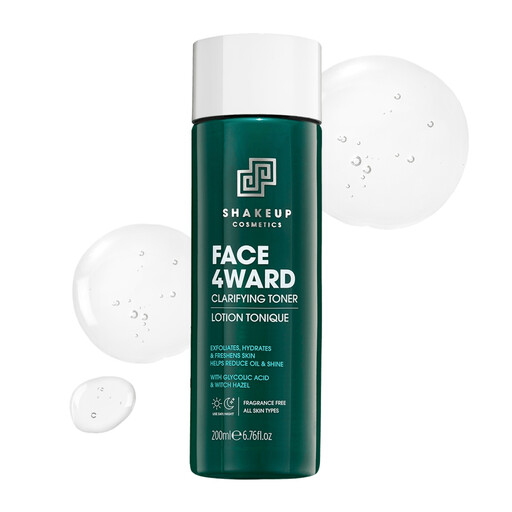
Why This Fits Their Persona: A straightforward leave-on option for shoppers building a basic routine around shine, rough texture or post-shaving concerns.
The listed formula identifies glycolic acid, witch hazel and a fruit AHA complex, making the active profile clearer than vague “deep cleanse” wording. Introduce it gradually rather than assuming daily use is suitable.
Lightweight toner format; can be applied with clean hands or a cotton pad; 200ml size.
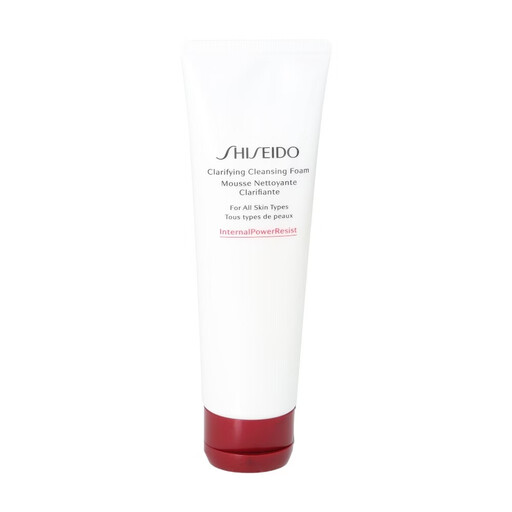
Why This Fits Their Persona: Suits shoppers who prefer a creamy, rinse-off cleanser as the first step rather than a strong leave-on treatment.
It is a rinse-off facial cleanser, so it should not be confused with a leave-on exfoliating toner. The product information lists white clay and cleansing agents alongside glycerin and sodium acetylated hyaluronate.
Creamy foaming texture; designed for daily morning and evening cleansing; 125ml format.
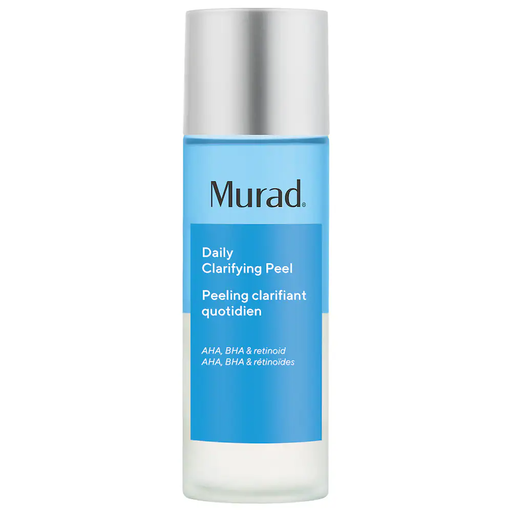
Why This Fits Their Persona: Appropriate for shoppers specifically comparing a multi-active peel for pores and surface texture, rather than seeking a basic toner.
The product clearly lists glycolic acid, salicylic acid and a retinoid derivative, so users can recognise that it is a higher-activity option requiring careful introduction and daytime SPF.
Bi-phase formula; alcohol-free listing; 95ml size for targeted use.
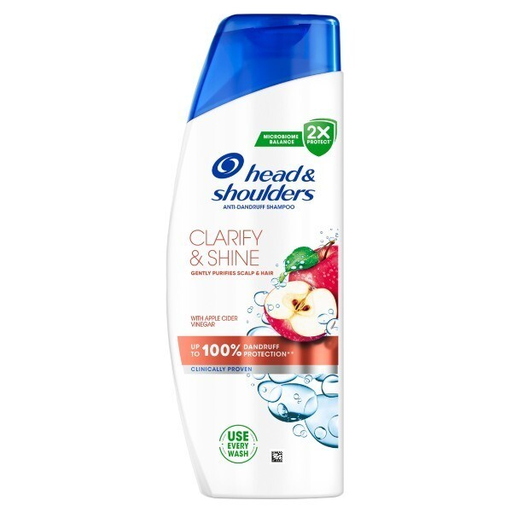
Why This Fits Their Persona: A practical choice for people concerned with oily scalp feel, styling-product build-up and visible flaking in one hair-wash routine.
It is clearly a scalp-and-hair shampoo rather than a facial clarifier. The listed formula includes piroctone olamine and directions to leave the lather for 1–2 minutes before rinsing.
250ml bottle; apple cider vinegar listed; suitable for all hair types according to the product description.
A simple routine is easier to maintain than several overlapping treatments:
For a wash-off clay mask, use it once or twice weekly rather than treating it as a daily cleanser. For dry combination skin skincare, apply clarifying products mainly where congestion occurs and keep dry areas well moisturised.
Begin with two or three applications per week for a leave-on exfoliating toner or peel, unless the packaging specifically gives different instructions. A rinse-off cleanser may be suitable for more frequent use, but comfort and the product directions should guide your routine.
Some products are formulated with both, but combining separate salicylic acid toner and glycolic acid toner products can increase the chance of dryness or irritation. Use one active product at a time until your skin’s tolerance is clear.
Cosmetic packaging may show an open-jar symbol, such as 6M or 12M, indicating the recommended period after opening. Store products in a cool, dry place, close caps securely and check the packaging for the latest ingredients, batch information and shelf-life guidance.