Choose a close microphone for a stationary narrator, a wireless system for one moving reader, or a portable recorder when the aim is to capture a group performance from one position. The trade-off is between keeping the microphone near an individual voice and capturing several readers with a simpler setup; check connections, placement and the school’s recording process before buying.
Who is recording?
Teachers recording a group performance
You want to capture several readers from one position without passing a microphone between them. A portable recorder is one way to capture the overall performance, although its position still matters for speech clarity.
Teachers following one moving reader
You need the microphone to remain near a pupil who walks, gestures or turns away from a fixed position. A wireless transmitter can follow that reader, provided it works with the recording device.
Teachers recording one narrator
Your reader can stay near a desk or stand microphone, and making that voice prominent matters more than freedom to move around the classroom.
What matters when choosing?
Portable recorder
Choose it when: the aim is to record a group reading from one position without keeping a computer connected.
Trade-off: a single room recording captures sound beyond the readers’ voices and will not give distant speakers close-miked separation.
Wireless microphone
Choose it when: one reader needs to move while the microphone stays near them.
Trade-off: one wearable transmitter follows one reader, not an entire cast; it also needs power and a compatible recording device.
Close USB/XLR microphone
Choose it when: one narrator, or readers taking turns, can speak near a fixed microphone.
Trade-off: consistent close placement is difficult if the reader moves around the room.
| Concern |
What to check |
Who this matters to |
| Group coverage |
Check where a recorder can sit in relation to the performers and how you will play back a short room test. |
If several pupils take turns, I need their voices and the feel of the performance in one recording. Roughly 42% of consumers would put group coverage first. |
| Reader movement |
Check how the transmitter attaches, whether the receiver works with the intended device and whether its runtime covers the session. |
When a pupil walks or turns during a scene, I need the microphone to follow that reader. Movement would be the primary concern for around 33% of consumers. |
| Single-voice clarity |
Check the connection to the recording setup, the available stand position and how you will monitor the sound. |
For a narrator who can stay at a desk, I want their speech to remain prominent against classroom distractions. Close narration would come first for roughly 25% of consumers. |
Mistakes to avoid
-
Expecting 32-bit float recording to fix distant placement
Zoom describes 32-bit float recording on the H1essential as reducing the need to adjust levels. It does not bring a distant reader closer to the built-in microphones or remove room sound.
Make a short rehearsal recording from the planned position. If speech is difficult to follow, move the recorder nearer or consider a microphone placed close to the active reader.
-
Using one wearable microphone for several readers at once
A transmitter worn by one performer stays with that performer; it does not give every other reader the same close placement.
Count how many readers need individual close capture at the same time. For an overall group recording, consider a centrally placed recorder instead.
-
Leaving pupil recordings outside the school’s file process
A recording that identifies or relates to a pupil calls for appropriate handling as personal information. UK guidance from the Information Commissioner’s Office addresses privacy information and documented retention schedules; the Department for Education addresses secure data handling.
Before recording, agree where files will be stored, who may access or share them and which school retention arrangements apply.
Brands to consider for these recording setups
Zoom
Zoom’s H1essential is a handheld option for recording a performance from one position; Zoom also documents its use as a USB microphone.
- The H1essential has built-in X/Y microphones and 32-bit float recording, according to Zoom.
- Its room-focused placement does not give every distant reader the separation of an individual close microphone.
RØDE
RØDE’s Wireless ME is a compact transmitter-and-receiver system for following a speaker using a compatible camera, computer or smartphone.
- RØDE specifies microphones in the transmitter and receiver and automatic GainAssist level control.
- One wearable transmitter principally follows one speaker; test the wireless setup in the intended classroom.
Shure
Shure’s MV7+ is a close-positioned USB-C/XLR microphone for a narrator who can stay near a desk or stand.
- The MV7+ provides USB-C and XLR outputs and headphone monitoring; Shure also describes automatic level adjustment.
- It is less practical for a reader moving around the classroom. Check any software requirements before relying on optional controls.
Joybuy products for these setups
These products offer fixed-position microphones, wireless options for one reader and portable voice recorders. Choose the recording approach first, then check each product against the school’s device and planned classroom workflow.
 No image available
FIFINE AM8 USB/XLR dynamic microphone with desktop stand
Consider this for a narrator who can speak near a fixed microphone. The title specifies USB/XLR connections, a headphone jack and a desktop stand; check that the intended connection works with the school’s recording setup.
View on Joybuy
 No image available
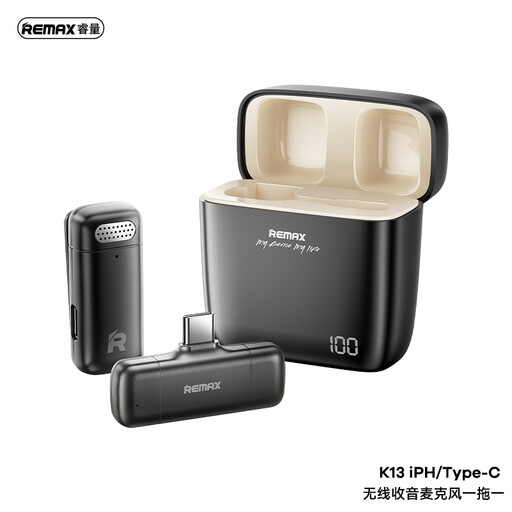
REMAX K13 1-to-1 USB-C wireless microphone, black
Consider a wireless setup for one moving reader if its transmitter can be positioned securely near them. Check the attachment method, battery runtime and compatibility with the exact USB-C recording device and app.
View on Joybuy
 No image available
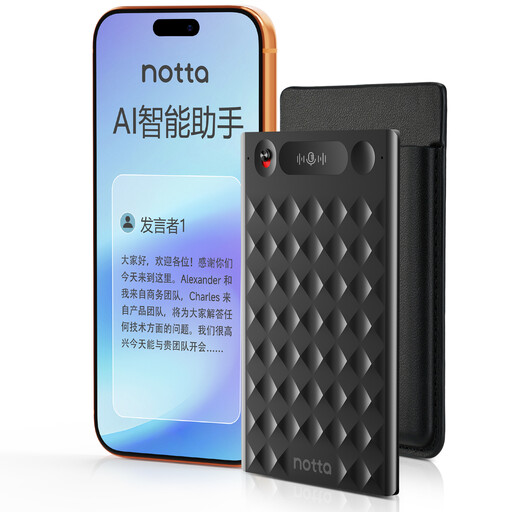
32GB AI Voice Recorder with Case, 30h Battery, black
Consider this portable recorder for an in-room recording workflow, then test whether voices are clear from the planned position. Its title specifies 32GB storage, a case and a 30h battery claim. Before using app or cloud features with pupil recordings, check the school’s approval and file-handling arrangements.
View on Joybuy
 No image available
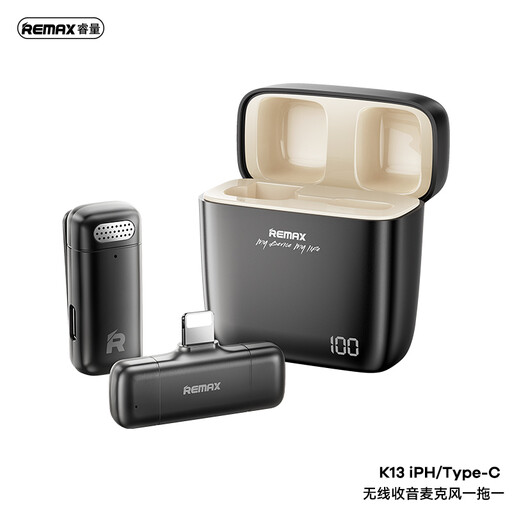
REMAX K13 1-to-1 Lightning wireless microphone, black
This is a wireless option to assess for one moving reader when recording through a compatible Lightning device. Confirm the school’s exact device and app, how the transmitter attaches and whether battery runtime covers the reading.
View on Joybuy
 No image available
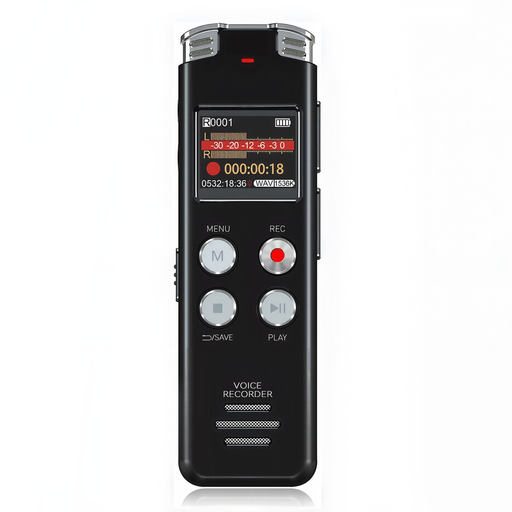
Rexsun L357 128GB portable digital voice recorder, grey
This portable recorder is an option for capturing spoken material without positioning a microphone on each reader. The title specifies 128GB storage and an LCD screen. Test group dialogue from the planned position and check how recordings will be transferred into the school’s approved storage workflow.
View on Joybuy
Common questions
Can one recorder capture a whole dramatic reading?
Yes, a centrally placed portable recorder can capture several readers and the room’s sound in one take. If individual dialogue must remain consistently prominent, test the position first and consider closer microphones or smaller recording groups.
Can the Zoom H1essential work as a microphone for a school computer?
Yes, Zoom documents a USB microphone mode for the H1essential. Check the school computer’s connection and permissions, and decide how the recording will be saved before the lesson.
How should a school handle recordings of pupils’ voices?
Where a recording identifies or relates to pupils, handle it through the school’s applicable personal-information process. Guidance from the Information Commissioner’s Office covers privacy information and documented retention arrangements, while the Department for Education addresses secure handling.
How long should the school keep the audio files?
Apply the school’s documented retention schedule for the recording’s purpose rather than choosing a period based on the microphone or recorder. The Information Commissioner’s Office advises organisations to document how long each category of personal information is kept and why.


