Choose a multifunction printer with a usable flatbed scanner if the classroom needs to digitise cut-out, curled or fragile newspaper clippings: place those originals on the glass rather than feeding them through an automatic document feeder (ADF). An ADF is useful when staff also scan clean, loose paperwork in batches, but check the glass area, file-output options, available space and printing supplies before choosing a model.
Who this setup suits
Teachers preserving delicate clippings
If cuttings are thin, curled, torn or irregularly shaped, avoiding the ADF feed path matters more than batch speed. HP advises placing fragile documents on the scanner glass; check that the glass accommodates your largest clipping.
Staff scanning routine classroom paperwork
If most scans are clean, loose handouts or forms, an ADF can handle suitable batches while the flatbed remains available for delicate clippings.
Classrooms that also print regularly
When one shared device must print and copy as well as scan, consider its consumables, paper capacity, connections and footprint alongside its clipping-scanning workflow.
What to check when buying
Start with safe handling of the actual clippings, then decide whether clean-sheet batch scanning and everyday printing justify additional features.
| Concern | What to check | Who this matters to |
|---|
| Delicate originals |
Confirm flatbed access, usable glass area and the required PDF or image output. |
If my cuttings are torn or curled, I want to keep them out of the feeder even if positioning each one takes longer. Around 33% of consumers put protection of the original first. |
| Paperwork batches |
Check ADF capacity, single- or double-sided scanning and permitted document condition. |
When I regularly digitise clean, loose forms, I want to avoid placing every sheet on the glass; roughly 25% of consumers prioritise that batch workflow. |
| Regular printing |
Compare included and replacement supplies, their stated yield basis and any optional supply-plan terms. |
If the shared printer produces handouts frequently, I need a replenishment arrangement that suits our printing mix. Around 25% of consumers make ongoing supplies their primary concern. |
| Small-room fit |
Measure space with trays in use, then check the connections permitted by the school network. |
With limited space for one shared device, I need it to fit where staff can use it and connect appropriately. Roughly 17% of consumers put classroom placement and access first. |
Buying pitfalls
-
Feeding every clipping through an ADF
Curled, torn or lightweight originals can jam or be damaged in a feeder. HP directs fragile documents to the scanner glass.
Use the glass for delicate cuttings; reserve the ADF for loose sheets that meet the model’s document-handling rules.
A damaged original may be difficult to replace.
-
Choosing by ADF capacity alone
A feeder’s sheet count describes batch capacity for suitable documents, not the space available on the glass or safe handling of newsprint.
Measure the largest clipping and confirm the usable scan area before comparing feeder capacities.
-
Treating included supplies as a printing forecast
Manufacturer ink-yield claims depend on stated usage conditions; a classroom’s mix of documents and colour printing may differ.
Compare the exact replacement supplies and their yield basis against the school’s expected printing pattern.
-
Assuming classroom use settles newspaper permissions
GOV.UK includes scanning among ways of copying newspaper content under its NLA educational-licence guidance. Permission to distribute a scan depends on the material and applicable licence or publisher terms.
Ask the school’s copyright lead to check coverage for the publication and intended use before sharing scanned articles.
Relevant brands to consider
Canon
Canon’s PIXMA TR7650 is an all-in-one inkjet option for classrooms combining clipping scans with routine printing and copying.
- Canon lists a 20-sheet ADF and dimensions of approximately 438 × 350 × 190 mm with trays retracted.
- Use the glass for fragile originals and confirm its usable scan area; the ADF sheet count does not answer either question.
Epson
Epson’s EcoTank ET-4950 is a refillable-ink multifunction option to examine when regular printing matters alongside scanning.
- Epson describes an A4 multifunction printer with a touchscreen and double-sided ADF.
- Check the scanner-glass area and document-handling instructions before choosing it for delicate clippings.
Brother
Brother’s DCP-L3560CDW is a colour LED multifunction option for routine shared printing and suitable clean-sheet scanning.
- Brother specifies a 50-sheet ADF, 250-sheet paper tray, Gigabit Ethernet, 5 GHz Wi-Fi and USB for this model.
- Those features do not establish a safe workflow for fragile clippings; check its flatbed details and use the glass for delicate originals.
Joybuy product choices
These multifunction printers are choices to examine for glass scanning of delicate cuttings and everyday classroom printing. Check each model’s usable glass area; if paperwork batches matter, confirm its ADF arrangements separately.
 No image available
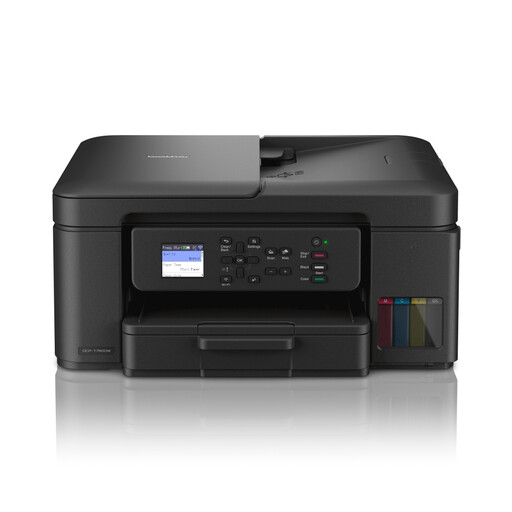
Brother DCP-T780DW 3-in-1 Wireless Ink Tank Printer
Consider this model if the classroom needs to scan delicate cuttings on glass as well as handle suitable loose paperwork in batches. Confirm that the usable glass area fits your largest clipping and check the ADF’s document-handling rules.
Joybuy
 No image available
Brother MFC-L3740CDWE All-in-One Colour Wireless LED Printer
Consider this model where glass scanning of delicate clippings must sit alongside batch handling of suitable classroom documents. Check the usable glass area, required scan file formats and the ADF’s media rules before purchase.
Joybuy
 No image available
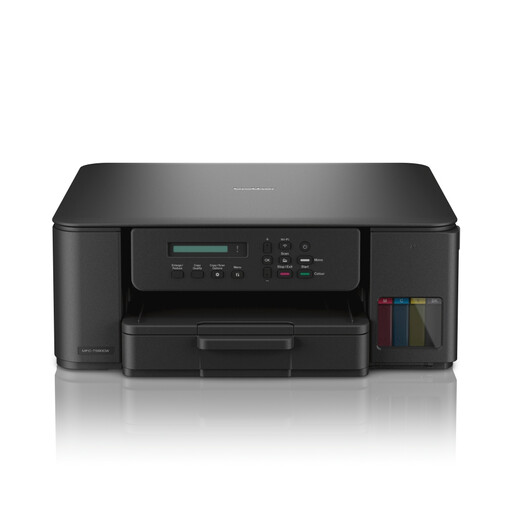
Brother DCP-T580DW 3-in-1 Wireless Ink Tank Printer
This is an option to examine when individual clipping scans and regular classroom printing matter more than an assumed batch-scanning workflow. Check that the usable glass area fits your cuttings; if staff scan stacks of paperwork, confirm whether this model offers an appropriate ADF.
Joybuy
 No image available
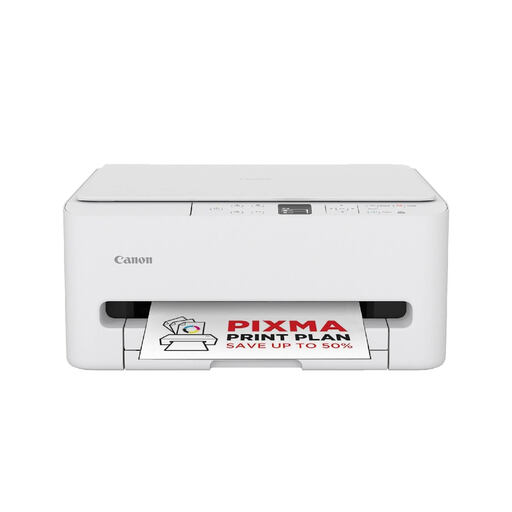
Canon PIXMA TS6550i
Consider this model for a glass-scanning workflow that keeps delicate cuttings out of a feeder. Compare its usable scan area and output options with the school’s needs, and check ADF arrangements if batch paperwork scanning is important.
Joybuy
Common questions
Should newspaper clippings go through an ADF?
Use the scanner glass for fragile, curled, torn or lightweight clippings rather than an ADF. HP warns that unsuitable originals can jam or be damaged; reserve the feeder for clean, loose sheets that meet the printer’s media rules.
What resolution should we try for readable clipping scans?
Test a representative clipping at 300 dpi, then inspect small text and images at the size you intend to use. The US National Archives and Records Administration used 300 dpi for smaller textual master files in its digitisation guidance, but that is a reference point, not a guarantee for every piece of newsprint.
Can a school scan newspaper articles and share them with pupils?
Check permission for the particular publication and intended sharing before distributing scans. GOV.UK identifies scanning as a form of copying in its newspaper educational-licence guidance; the school’s copyright lead can check its current licence coverage or publisher permission.
Will one school copying licence cover every newspaper clipping?
Do not assume that one licence covers every title or use. The Copyright Licensing Agency distinguishes its Schools Licence from newspaper permissions under the NLA Schools Licence, so check the publication and the school’s arrangements before copying or sharing.


