
24/7 Customer Support

Free returns

Same-day & Next-day Delivery

Quality Guaranteed

Unlock Your Welcome Offers: FREE Delivery | Up to 80% OFF | Free 30-day JoyPlus trial
Download the APP
Clay face masks can help remove excess oil, surface impurities and daily build-up, but choosing by colour, celebrity appeal or the word “detox” can lead to disappointing results. The right formula should match your skin type, preferred texture and how often you realistically plan to use it.
Kaolin, bentonite, charcoal and volcanic clays have different roles in a formula. A mask containing several absorbent clays may suit an oily T-zone, but could feel uncomfortable on dry or sensitive areas. Meanwhile, a hydrating face mask with only a small amount of clay may provide a softer cleansing experience but less oil absorption.
Look beyond the front label and check the full ingredient list. Ingredients such as glycerin, panthenol, honey, rice extracts or sodium hyaluronate can make a wash-off face mask feel more comfortable after rinsing.
Allowing a clay mask to crack completely is not automatically more effective. Extended contact can increase tightness, particularly if the formula also contains alcohol, fragrance, essential oils, salicylic acid or physical exfoliating particles.
Follow the instructions on the packaging. Most products in this category suggest leaving the mask on for approximately 3 to 15 minutes, depending on the formula. Rinse when directed rather than waiting until the skin feels stiff.
A pore-cleansing face mask can temporarily absorb surface oil and loosen some debris, helping skin look fresher and more even. It cannot permanently alter pore size or replace a consistent cleansing routine. Blackheads and congestion may also need a carefully managed routine containing suitable exfoliating ingredients.
Avoid squeezing the skin after masking. That can cause irritation and is not necessary for using a clay mask safely.
Kaolin is commonly used in gentle clay formulas and is often suitable for combination skin or targeted T-zone use. Bentonite has a more absorbent feel and may appeal to shoppers looking for an oil-control face mask. Charcoal is frequently included in a charcoal face mask alongside clay, although its presence alone does not indicate how strong or suitable the product will feel.
For face mask for oily skin routines, consider a formula with kaolin or bentonite. For combination skin, applying the product only to the forehead, nose and chin can help avoid unnecessary dryness on the cheeks.
An exfoliating face mask may use rice powder, sugar, red bean particles, pumice, salicylic acid, AHAs or a combination of these. Physical particles should be used with light pressure, while products containing acids should be introduced gradually.
Do not combine several exfoliating products on the same evening until you know how your skin responds. A clay mask with salicylic acid, such as a blackhead face mask, may be more suitable as an occasional targeted treatment than a daily cleanser.
Jars can offer more product for full-face or body use, while a clay mask stick is convenient for travel and precise application. However, a stick should not be shared, and the cap needs to be replaced securely after each use.
Check the net weight or volume, recommended usage frequency and storage instructions. A 120g jar may suit regular weekly use, whereas a 27g stick could be practical for the T-zone or short trips. UK shoppers should also check the current packaging for the responsible person details, ingredients, warnings and period-after-opening information required for cosmetic products placed on the UK market.
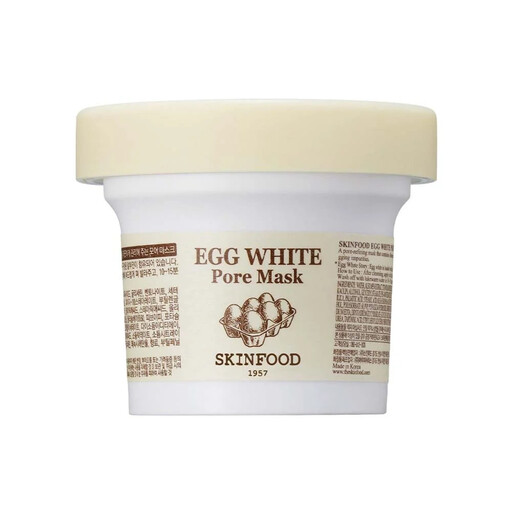
Why This Fits Their Persona: A straightforward 120g option for shoppers starting a weekly pore-cleansing routine without choosing a multi-acid formula.
The ingredient list identifies kaolin and bentonite rather than relying only on broad “pore refining” wording. It also includes glycerin, panthenol and olive fruit oil.
Kaolin and bentonite provide an absorbent clay base; the 120g format is suitable for repeated weekly use.
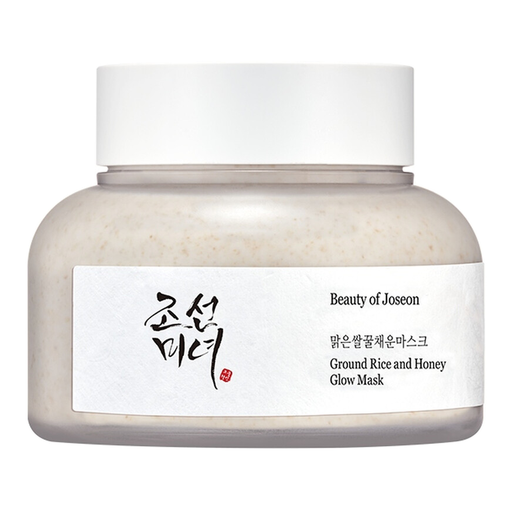
Why This Fits Their Persona: A useful choice for shoppers who want Korean face masks with cleansing, mild surface exfoliation and a more nourishing finish.
It combines kaolin with rice hull powder and honey, so the formula is not positioned as an oil-absorbing clay treatment alone.
Contains kaolin, rice hull powder, honey and rice-derived ingredients; supplied in a 150ml wash-off format.
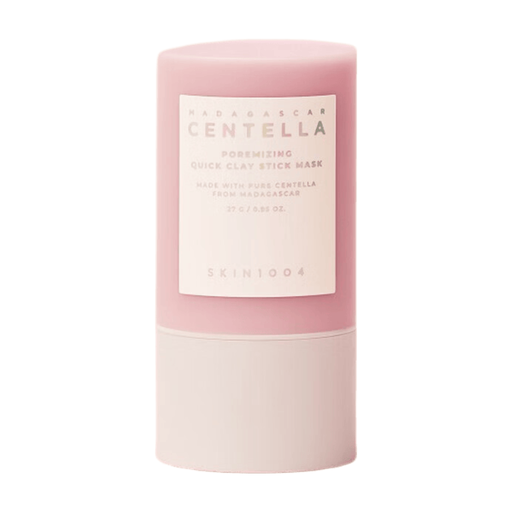
Why This Fits Their Persona: The twist-up format suits commuters, gym bags and shoppers who prefer applying a clay mask only to an oily T-zone.
The short 3–5 minute guidance helps reduce the temptation to leave the product on until it becomes uncomfortably dry.
Includes kaolin, bentonite, illite and centella asiatica extract; stick application avoids scooping from a jar.
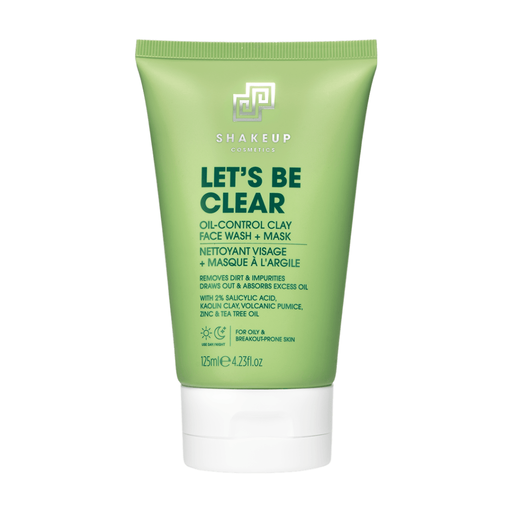
Why This Fits Their Persona: A practical 2-in-1 option for shoppers who want a daily cleanser and occasional deep-cleansing clay mask in one tube.
The two uses are clearly separated, helping shoppers avoid treating a leave-on mask as an everyday face wash.
Contains white kaolin, pumice and 2% salicylic acid; the 125ml tube supports both cleanser and mask application.
Stop using the product if persistent redness, swelling, itching or stinging develops. Cosmetic masks are not a treatment for a medical skin condition.
We have compiled a complete, real-time list of products that fully satisfy these strict selection criteria and UK safety regulations.
Once or twice a week is a sensible starting point for many wash-off formulas. Oily skin may tolerate more frequent targeted use, while dry or sensitive skin may need longer gaps. Always follow the individual product instructions.
Yes. Try multi-masking by applying the clay formula to the T-zone and a more hydrating face mask to drier areas. Rinse thoroughly and moisturise afterwards. Avoid using several exfoliating products together until you understand your skin’s tolerance.
A blackhead face mask may help loosen surface oil and debris, especially when it contains clay, charcoal or a suitable exfoliating ingredient. Results are temporary and should not be treated as permanent pore removal. Gentle, consistent use is preferable to aggressive scrubbing or squeezing.