
24/7 Customer Support

Free returns

Same-day & Next-day Delivery

Quality Guaranteed

Unlock Your Welcome Offers: FREE Delivery | Up to 80% OFF | Free 30-day JoyPlus trial
Download the APP
Clay face masks can help manage the appearance of excess shine, surface impurities and uneven texture, but choosing one based only on colour, packaging or phrases such as “deep detox” can lead to disappointment. The right product depends on its ingredients, contact time, texture and how often you plan to use it.
For UK skincare shoppers, the main challenge is finding a purifying clay mask that cleanses without leaving the skin uncomfortably tight. Some formulas focus on oil control, while others combine clay with exfoliating ingredients or moisturising components. Here is how to compare them before spending money.
A clay mask that dries rapidly and leaves the skin feeling tight may simply be removing too much surface moisture. This does not mean it has permanently reduced pore size or removed every blackhead. Look for supporting ingredients such as glycerin, panthenol, hyaluronic acid or soothing plant extracts if dryness is a concern.
A black charcoal formula can look appealing, but the colour does not indicate how much charcoal it contains or how it will feel on your skin. Check the full ingredient list and consider whether the product also contains clay, fragrance, exfoliating acids or essential oils. A charcoal face mask may be useful for an oily T-zone, but it is not automatically suitable for dry or reactive skin.
Some clay products are also an exfoliating face mask, containing salicylic acid, fruit acids, sugar, rice powder or physical particles. Using these too frequently or combining them with several other exfoliants may increase dryness and irritation. Follow the product instructions rather than leaving the mask on until it cracks completely.
Kaolin is commonly used in a pore-cleansing face mask because it absorbs surface oil and creates a creamy texture. Bentonite, hectorite, illite and green clay can provide a more absorbent or mineral-rich feel. If you have combination skin, applying the product only to the forehead, nose and chin can be more comfortable than covering the entire face.
A clay mask for oily skin may be appropriate for occasional shine, but oiliness does not remove the need for moisturiser. After rinsing, use a lightweight, non-comedogenic moisturiser to support skin comfort.
Salicylic acid is a beta hydroxy acid often included in an oil-control face mask or blackhead mask. Physical exfoliants, such as rice powder, red bean powder, sugar or pumice, work differently by polishing the skin’s surface during rinsing.
Avoid assuming that more exfoliation produces faster results. If a formula contains both acid and particles, use gentle pressure and limit frequency according to the label. Products with fragrance or essential oils deserve extra consideration if your skin is easily irritated.
A traditional jar gives you more product for repeated use, while a clay stick mask offers targeted, mess-free application. Stick formats are practical for a quick T-zone treatment or travelling, but the cap should be replaced securely after each use.
Check the recommended contact time. Some masks are designed for three to five minutes, while others specify 10 to 15 minutes. A wash-off mask should be rinsed thoroughly with lukewarm water, not scrubbed aggressively. Always avoid the eye and lip areas and check the packaging for the current ingredient and safety information.
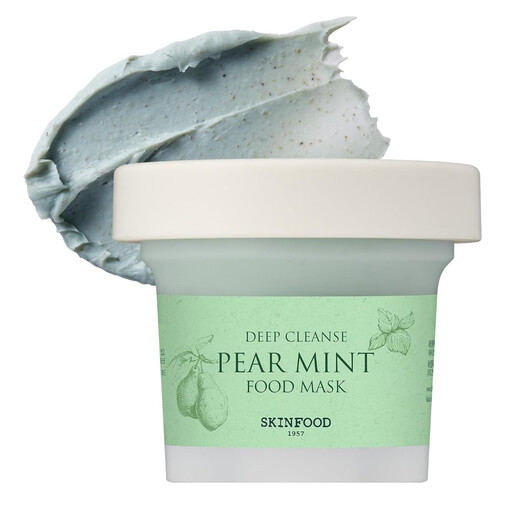
Why This Fits Their Persona: The 120g size and shower-proof texture suit shoppers wanting a straightforward wash-off face mask for regular home use.
Its ingredient list identifies kaolin and rice powder rather than relying only on vague pore-cleansing language. The product instructions specify 10 to 15 minutes before rinsing.
Contains kaolin, rice powder, glycerin and pear extract; the texture is designed to stay in place during shower use.
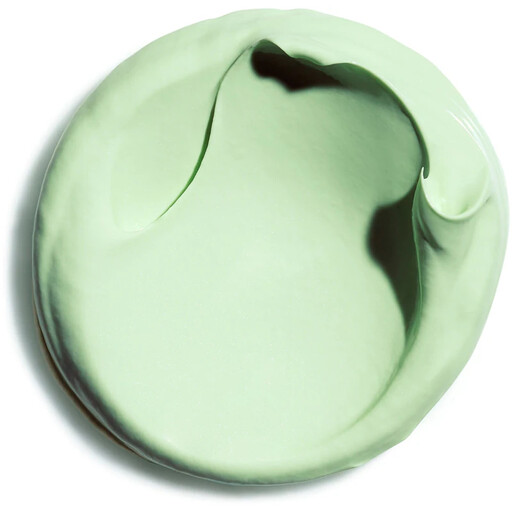
Why This Fits Their Persona: A creamy 75ml format suits users with combination-to-oily skin who prefer a dedicated weekly treatment with smooth application.
The formula identifies white and green clays and gives a clear 10-minute application time rather than suggesting that longer drying delivers more benefit.
Includes kaolin, hectorite, glycerin and white and green clay, positioned for oil absorption and a creamy feel.
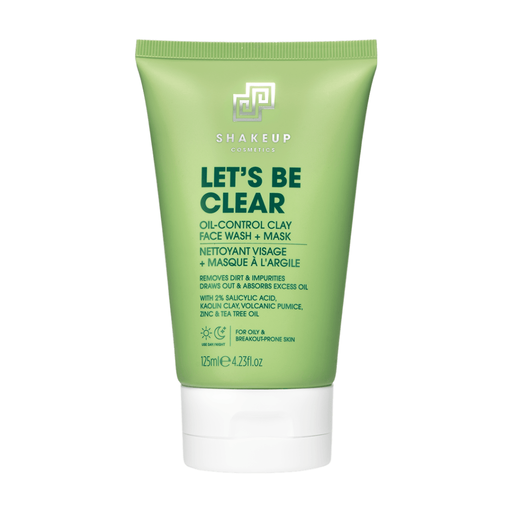
Why This Fits Their Persona: The two-in-one format is practical for users who want a daily cleanser and a shorter targeted mask step without buying separate products.
The product clearly separates face-wash and mask directions. Its 2% salicylic acid means users can account for exfoliation elsewhere in their routine.
Contains white kaolin, volcanic pumice and 2% salicylic acid; the listed mask time is three to five minutes or up to five to 10 minutes for a deeper treatment.
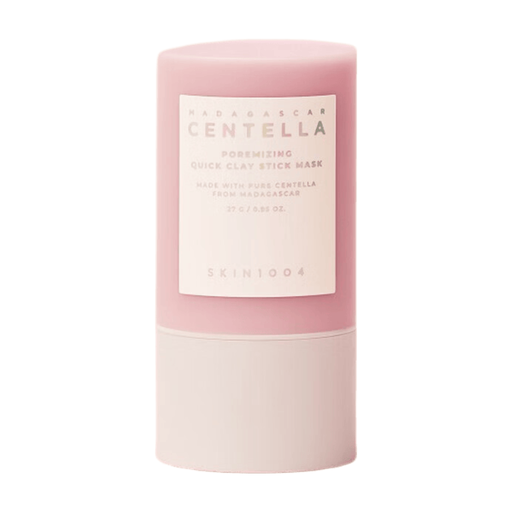
Why This Fits Their Persona: The twist-up format supports targeted application to the T-zone, which is useful for users who do not want to spread clay across drier areas.
The stated three-to-five-minute contact time discourages prolonged drying. Its five-clay formula and 27g size are clearly specified for comparison.
Includes kaolin, bentonite, illite, montmorillonite and 4.9% centella asiatica extract, with a mess-free stick design.
We have compiled a complete, real-time list of products that fully satisfy these strict selection criteria and UK safety regulations.
A clay mask should complement, not replace, your normal cleanser and moisturiser. If persistent redness, swelling, itching or stinging occurs, stop using the product and seek appropriate professional advice.
Many products recommend once or twice weekly, although some specify two to three uses per week. Start with once weekly and assess comfort. Dry or sensitive skin may need less frequent use, while oily areas can sometimes tolerate a targeted application more readily than a full-face treatment.
No cosmetic mask can guarantee permanent removal. Clay may absorb surface oil, while salicylic acid or gentle exfoliating particles can help loosen material around congested pores. Results are temporary and depend on your wider skincare routine. Avoid squeezing blackheads after masking, as this may irritate the skin.
A stick mask avoids repeatedly scooping product with your fingers and can make targeted application simpler. However, the exposed tip still needs to be kept clean and the cap should be replaced securely. Follow the storage guidance and do not share the product.