
24/7 Customer Support

Free returns

Same-day & Next-day Delivery

Quality Guaranteed

Unlock Your Welcome Offers: FREE Delivery | Up to 80% OFF | Free 30-day JoyPlus trial
Download the APP
Cleaning brushes and brooms can look very similar online, yet the wrong design may make everyday cleaning slower, less comfortable and more expensive. A soft indoor broom may struggle with wet leaves, while a stiff patio brush can mark delicate flooring. The right choice depends on the surface, the debris and how often the tool will be used.
This guide explains the main buying pitfalls, the specifications worth checking and a selection of cleaning tools suited to UK homes, businesses, gardens and outdoor areas.
A broom may have an attractive head and long handle, but the bristle material determines how it performs. Soft or mixed bristles are generally more suitable for fine dust and smooth indoor floors. Stiff polypropylene or nylon bristles are more appropriate for soil, gravel, mud and outdoor debris.
Marketing descriptions can also use broad terms such as “deep cleaning” without explaining whether the brush is designed for dry sweeping, wet scrubbing or both. Always check the recommended surfaces and the actual bristle materials.
A long handle can reduce bending, but only if it remains secure during use. Multi-piece handles should have firm connections that can be tightened before sweeping. A loose joint is inconvenient and may make it harder to apply controlled pressure.
For a long handle cleaning brush, check the overall length, connection system and storage method. Compact indoor tools may need a hanging loop, while outdoor brooms benefit from a handle that is stable enough for larger sweeping movements.
A dish brush, gap cleaning brush and heavy-duty broom serve different purposes. Using a kitchen cleaning brush on a patio can quickly wear down the bristles. Likewise, using a stiff outdoor broom on laminate or vinyl may be unnecessarily abrasive.
A small set of purpose-built household cleaning tools often offers better coverage than one oversized product. Consider where dirt collects in your property: around skirting boards, between paving, beside appliances, on driveways or across large floors.
For indoor use, mixed nylon bristles can provide a balance between flexibility and resistance. The Vileda 3 Action Broom, for example, uses a triple-fibre arrangement designed for fine dust, larger debris and stubborn dirt across tiles, laminate, vinyl and sealed hard floors.
For exterior areas, look for stiff polypropylene and nylon bristles. These are suited to leaves, soil, gravel and mud, particularly on patios, paths, decking and driveways. A patio brush should be firm enough to move debris without requiring excessive force.
A wider broom head covers more ground per sweep. The Addis Angled Head Outdoor Broom has a 45cm-wide head, which can be useful for driveways, commercial walkways and larger patios. Smaller heads are easier to control in kitchens, hallways and narrow storage areas.
For detail work, head shape is more important than width. Angled bristles can reach corners and edges, while a narrow gap cleaning brush is designed for spaces between tiles, appliances, doors or garden paving.
An ergonomic grip can be useful when washing several dishes or cleaning for extended periods. A scraper integrated into a dish brush may also help remove dried residue without needing a separate tool.
After use, rinse brushes where appropriate, remove trapped debris and allow them to dry. Hanging hooks or open handles help reduce damp storage. Outdoor brooms should be stored in a dry location when possible, and multi-section handles should be checked regularly for tightness.
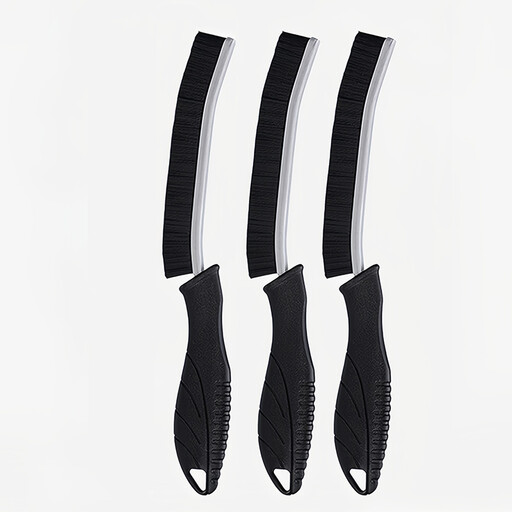
Why This Fits Their Persona: A three-pack gives tenants, first-time household owners and smaller businesses multiple gap cleaning brushes for kitchens, bathrooms and other narrow spaces.
It is intended for narrow gaps rather than being presented as a one-tool solution for every floor and outdoor task.
Three brushes are included, and the long-handle format can reduce the need to reach directly into narrow spaces.

Why This Fits Their Persona: Designed for frequent dishwashing, it suits busy UK kitchens, restaurants and catering settings where grip and storage matter.
The product information specifies mixed stiff and soft nylon bristles, an ergonomic grip and a built-in scraper rather than relying only on general cleaning claims.
The jumbo fan-shaped head covers dishes efficiently, while the open hook supports hanging storage and air drying.
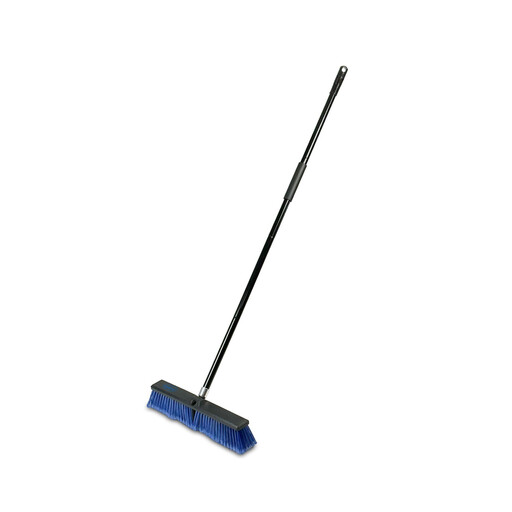
Why This Fits Their Persona: Suitable for gardeners, landlords, facilities teams and businesses maintaining patios, paths, driveways, garages or commercial walkways.
Its stated outdoor purpose, 45cm head and stiff polypropylene and nylon bristles make the intended use clearer than a generic all-surface broom.
The 45cm head covers larger areas, and the four-piece steel handle measures 136cm when assembled. It is specified for wet and dry sweeping.
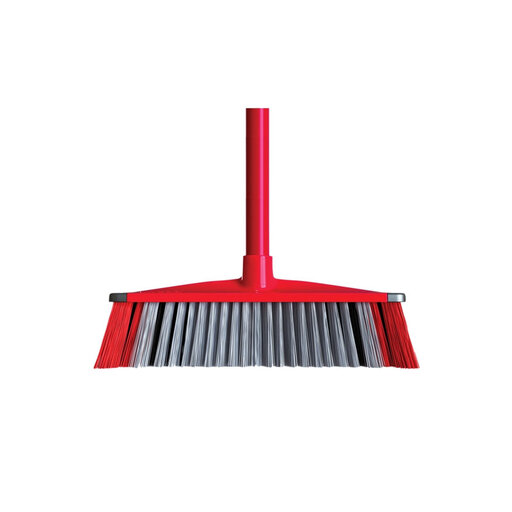
Why This Fits Their Persona: A practical option for households managing everyday dust, crumbs and larger debris across sealed hard floors.
The product details identify the intended floor types, triple-fibre bristle system, angled bristles and rubber bumpers.
The bristles are made from 100% recycled PET, and rubber bumpers help protect walls and furniture during indoor sweeping.
We have compiled a complete, real-time list of products that fully satisfy these strict selection criteria and UK safety regulations.
For tiles, laminate, vinyl and sealed hard floors, look for a broom with flexible or mixed bristles that can collect fine dust without excessive stiffness. Angled bristles are useful around skirting boards and corners. Avoid using a heavy-duty outdoor broom indoors unless the manufacturer lists the surface as suitable.
Rinse away residue where appropriate, remove hair and trapped debris, then allow the head to dry. Store brooms hanging or upright without pressing the bristles against the floor for long periods. Check that sectional handles are fully tightened before use and keep cleaning tools away from unsupervised children.
Lifespan depends on frequency, pressure, moisture and surface type. Bristles that remain aligned and resilient can continue working effectively, while excessive spreading, shedding or a loose handle indicates that replacement may be sensible. Regular rinsing, drying and using each brush only for its intended task can help reduce avoidable wear.