
24/7 Customer Support

Free returns

Same-day & Next-day Delivery

Quality Guaranteed

Unlock Your Welcome Offers: FREE Delivery | Up to 80% OFF | Free 30-day JoyPlus trial
Download the APP
From the kitchen sink to the garden shed, having the right set of cleaning brushes can make the difference between a quick tidy-up and a frustrating chore. Yet, many of us end up with a drawer full of tools that are not quite right for the job. They either fall apart after a few uses, scratch surfaces they were meant to clean or simply fail to shift stubborn grime. As your Joybuy Product Recommendation Officer, my role is to help you navigate the options and find durable, effective household cleaning tools without falling for common marketing gimmicks.
Before you buy another brush, let’s look at the pitfalls that often lead to wasted money and poor results.
To ensure you get a tool that performs well and lasts, focus on these core parameters.
The bristles do the hard work, so their material is your most important consideration. Each type is suited to different tasks.
The handle determines comfort, control and reach.
Instead of a generic list, here are a few recommendations matched to specific household needs, helping you find the right tool for your tasks.
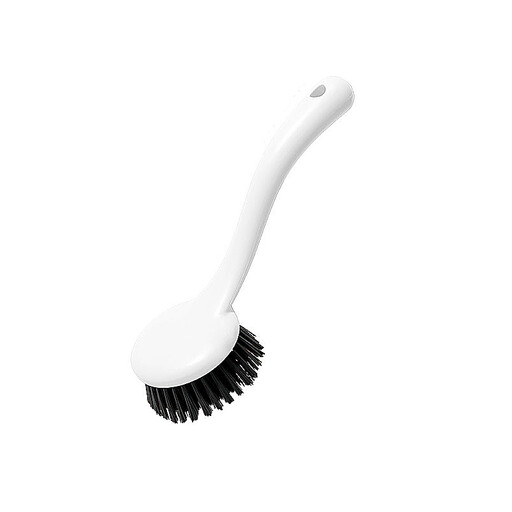
Why This Fits Their Persona: This is for the person who needs a reliable, no-fuss tool for daily washing up. It’s a practical choice for keeping hands clean and tackling everything from plates to pans without a second thought.
It avoids the poor ergonomics trap with a long handle that keeps hands away from hot water and grime. The nylon bristles are specifically suited for dishwashing, not pretending to be a "one-size-fits-all" solution.
The 22cm handle provides excellent reach and protection. Its durable nylon bristles are effective on grease and food residue but are generally safe for most cookware.
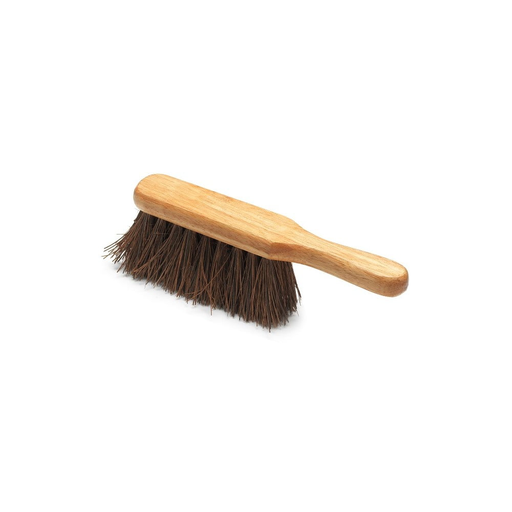
Why This Fits Their Persona: Ideal for gardeners, DIY enthusiasts or anyone needing to clean up tough outdoor messes. This is the tool for scrubbing muddy boots, plant pots, workbenches and patio flagstones.
This brush sidesteps the "flimsy handle" trap with its solid wooden construction and avoids the "wrong bristle" issue by using stiff, natural bassine bristles specifically designed for aggressive scrubbing on robust surfaces.
The bassine bristles are naturally firm and weather-resistant. The curved wooden handle provides a comfortable, secure grip for applying pressure during tough cleaning jobs.
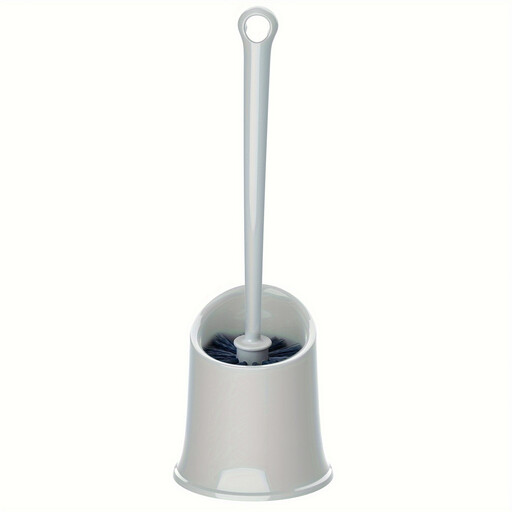
Why This Fits Their Persona: For those who prioritise cleanliness and a tidy appearance in the bathroom. This user wants a functional toilet brush that is also designed to be stored hygienically and discreetly.
It directly solves the "unhygienic design" trap. The holder is designed to contain drips and allow the brush to air dry, while the integrated cover acts as a splash guard, keeping the cleaning process tidy.
The primary benefit is its hygienic storage system. The minimalist polypropylene design is also easy to wipe clean and fits well with modern bathroom decor.
We have compiled a complete, real-time list of products that fully satisfy these strict selection criteria and UK safety regulations.
This depends heavily on the brush type and how often you use it. For a daily dishwashing brush, a good rule of thumb is to replace it every 1-3 months, or as soon as the bristles become flattened, frayed or discoloured. A toilet brush should be replaced at least every six months for hygiene reasons. An outdoor brush or heavy-duty scrub brush will last much longer, but should be replaced when the bristles lose their stiffness and are no longer effective.
Not all of them. Brushes made entirely from plastic, such as those with polypropylene handles and nylon bristles, are often safe for the top rack of a dishwasher, which is a great way to sanitise them. However, you should always check the manufacturer's guidance. Never put a brush with a wooden handle or natural fibres in the dishwasher, as the intense heat and prolonged exposure to water can cause the wood to crack and the bristles to degrade.
The main difference is their design and intended purpose. A grout brush is a specialist tool. It features a very narrow head and rows of extremely stiff bristles designed to fit into the tight lines between tiles and scrub away mildew and grime. A regular scrub brush has a much wider head and is designed for cleaning larger, flat surfaces like floors, walls or workbenches. Using a regular brush for grout is usually ineffective as its bristles can't reach deep into the lines.