Tired of leaving streaks on your windows, lint on your furniture, or simply pushing dirt around? The humble cleaning cloth is often overlooked, but choosing the right one can transform your cleaning routine from a chore into a satisfying task. With so many materials and types available, it can be difficult to know which cloth is right for which job.
This guide is here to help. We'll break down the key differences between popular materials, from versatile microfibre cloths to super absorbent cloths for spills, helping you find the perfect tool for a spotless, efficient clean in your home and on your car.
How to Choose the Right Cleaning Cloths
Before you add a cloth to your basket, consider these key points. Matching the cloth's features to your specific needs is the secret to achieving a perfect finish every time.
1. Material Matters: Microfibre, PVA and Sponge Explained
The material of a cloth dictates its performance. Understanding the main types will help you select the most effective option.
- Microfibre Cloths: These are the all-rounders of the cleaning world. Made from incredibly fine synthetic fibres, they have a unique structure that creates an electrostatic charge, actively attracting and trapping dust, dirt and grime instead of just moving it around. Their versatility makes them suitable for everything from dusting delicate surfaces to acting as effective kitchen cloths.
- PVA (Synthetic Chamois): Polyvinyl alcohol, or PVA, is a synthetic material known for its incredible absorbency and smooth, non-abrasive texture. A synthetic chamois glides effortlessly across surfaces, soaking up large amounts of water without leaving streaks or water spots. This makes it an excellent choice for a car drying towel or for achieving a perfect finish on glass and mirrors.
- Sponge Cloths: As the name suggests, a sponge cloth combines the absorbency of a sponge with the flexibility of a cloth. Typically made from cellulose, these are designed to soak up significant amounts of liquid quickly, making them ideal for tackling spills on kitchen counters or cleaning up in the bathroom.
2. Match the Cloth to the Task
Not all cleaning jobs are the same, and using a task-specific cloth can make a world of difference.
- For Glass and Polished Surfaces: To avoid frustrating marks, you need a streak-free cloth. Look for a microfibre cloth with a tight, flat weave. When used slightly damp with just water, it can leave windows, mirrors and stainless steel gleaming without the need for harsh chemicals.
- For Spills and Wet Cleaning: When dealing with liquids, absorbency is key. A sponge cloth or a PVA synthetic chamois are both excellent choices. Their ability to hold many times their own weight in water makes mopping up spills quick and easy.
- For Car Detailing: Washing a car is only half the battle; drying it properly prevents water spots. A large, high-quality car drying towel, such as a PVA chamois, is essential. Its size and absorbency allow you to dry the entire vehicle quickly and without scratching the paintwork.
3. Reusability and Long-Term Value
Investing in reusable cleaning cloths is a smart move for both your wallet and the environment. Unlike disposable paper towels or single-use wipes, high-quality microfibre, PVA and sponge cloths can be washed and reused hundreds of times. This not only reduces household waste but also offers significant long-term savings. Always check the care instructions, but most can be machine washed for easy maintenance.
Top Cleaning Cloth Recommendations
Here are a few standout options that cater to different cleaning needs, selected for their performance and practicality.
Turtle Wax Chamois Quick Dry Easy Glide Synthetic PVA
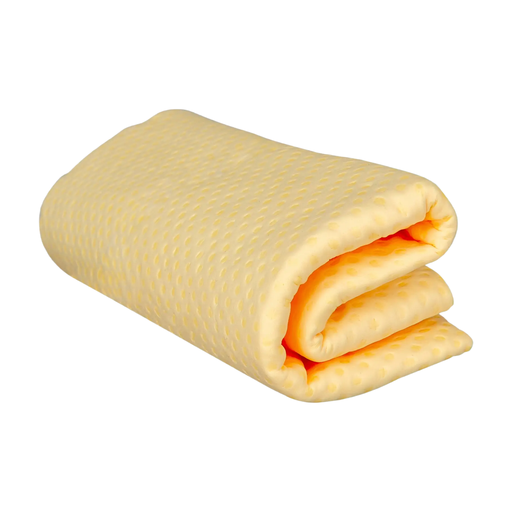
- Why It Stands Out: This cloth is engineered for a fast, streak-free finish. Made from advanced PVA synthetic material, it offers exceptional water absorption, making it a top performer for drying cars and windows. Its soft, flexible structure glides smoothly over paintwork and glass without scratching, drastically reducing drying time and eliminating water spots.
- Pros:
- Advanced PVA material for superior absorbency.
- Delivers a streak-free and scratch-free drying performance.
- Easy-glide design for smooth, fast results.
- Durable and reusable for long-term value.
- Who is it for: Car enthusiasts and homeowners who need a high-performance drying tool for a flawless finish on vehicles, windows and other smooth surfaces.
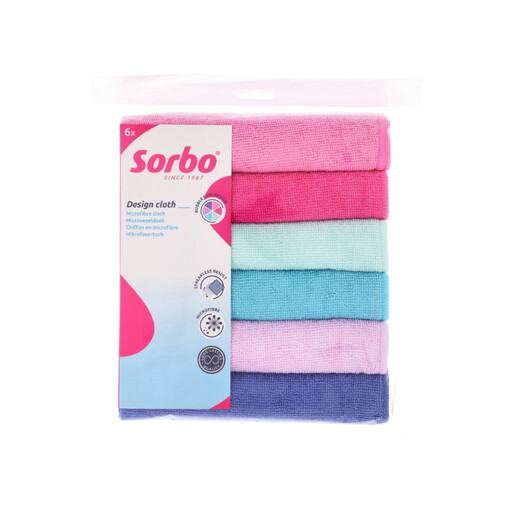
- Why It Stands Out: This pack of six extra-large cloths offers fantastic versatility for all-around home cleaning. The premium microfibre material is designed to attract and trap dirt, grease and moisture, whether used wet or dry. The different colours allow you to assign cloths to specific areas—like the kitchen or bathroom—to maintain a hygienic cleaning system.
- Pros:
- Multipurpose cloths suitable for dusting, wiping and polishing.
- Effectively lifts dirt and grime, often with just water.
- Can be used wet for cleaning or dry for dusting.
- Fully machine washable and highly durable.
- Who is it for: Anyone looking for a versatile, cost-effective set of reusable cleaning cloths for daily chores around the house.
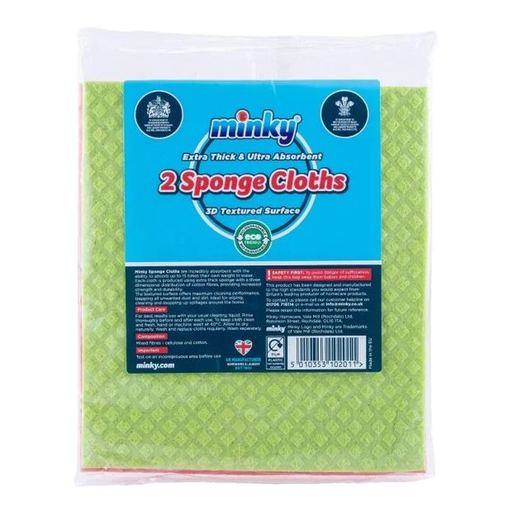
- Why It Stands Out: When it comes to tackling spills, the Minky Sponge Cloth is a dependable choice. It is designed to be ultra-absorbent, capable of holding up to seven times its own weight in water. The extra-thick construction and 3D surface make it highly effective for wiping down counters and mopping up liquids in the kitchen and bathroom.
- Pros:
- Ultra-absorbent for mopping up spillages efficiently.
- Durable and long-lasting for everyday use.
- 3D surface helps with wiping and cleaning.
- Made from cellulose.
- Who is it for: Households that need a reliable and highly absorbent cloth specifically for dealing with spills and wet cleaning tasks.
Looking for More Options?
Everyone's cleaning needs are different. If these recommendations aren't quite what you're looking for, or if you need a cloth for a more specialised task, there are many other options available.
Explore our complete collection to find the perfect match for your home or vehicle. Discover more in our Ultra-Absorbent Cloths category.
Frequently Asked Questions About Cleaning Cloths
What is the main advantage of microfibre cloths over cotton ones?
The key difference lies in the fibre structure. Microfibre cloths are made of synthetic fibres that are split into microscopic strands. This creates a larger surface area and a positive charge that attracts and traps negatively charged dust and dirt particles. Cotton cloths, by contrast, have larger, rounded fibres that tend to push dirt around rather than lifting it and they can often leave behind lint.
How should I wash reusable cleaning cloths?
To maintain their effectiveness, wash reusable cleaning cloths with a standard laundry detergent. It is important to avoid using fabric softener or bleach, as these can clog the fine fibres of microfibre and PVA cloths, reducing their absorbency and cleaning power. For best results, wash them with similar non-linting materials and allow them to air dry.
Can I use one multipurpose cloth for my entire house?
While a multipurpose cloth is versatile, it is not recommended to use the same single cloth for every room. For hygiene reasons, it is best practice to use a colour-coded system. For example, use one colour for kitchen cloths, another for the bathroom and a third for general dusting. This simple habit helps prevent the spread of germs from one area of your home to another.


