
24/7 Customer Support

Free returns

Same-day & Next-day Delivery

Quality Guaranteed

Unlock Your Welcome Offers: FREE Delivery | Up to 80% OFF | Free 30-day JoyPlus trial
Download the APP
Tackling household cleaning can often feel like a battle against stubborn grease, persistent streaks and unexpected spills. While we often reach for the nearest cloth, using the right tool for the specific task can transform your cleaning routine, making it faster, more efficient and far less of a chore. A generic cloth might spread grime on a kitchen hob, while another might leave lint all over your gleaming stainless steel fridge.
As the Joybuy Product Recommendation Officer, my role is to help you navigate the options and find practical solutions that deliver on their promises. This guide will walk you through what to look for in a cleaning cloth and highlight a few standout options designed for common household challenges.
Selecting the right cloth goes beyond just picking a colour. To get a truly effective clean, consider the material, texture and any specialised features that match your needs.
The material of a cloth dictates its primary function. Microfibre cleaning cloths, for instance, are made from incredibly fine synthetic fibres that are split to create a vast surface area. This structure is excellent at trapping dust, dirt and moisture rather than just pushing it around. For mopping up liquids, sponge cloths made from cellulose are exceptionally porous and are some of the most absorbent cloths for spills you can find. For delicate surfaces, a dedicated stainless steel polishing cloth will have a weave designed specifically to buff without scratching.
Not all cloths are created equal. A cloth with a flat, tight weave is ideal for polishing glass and shiny surfaces to a streak-free finish. In contrast, a cloth with a thicker, plusher pile is better for general dusting and wiping. For tougher jobs in the kitchen, look for dual-sided kitchen cloths. These often feature a softer side for wiping and a textured side that acts as a non-scratch scourer, perfect for lifting burnt-on food from hobs and worktops without causing damage.
Modern reusable cleaning cloths often come with enhancements that improve hygiene and longevity. Some are treated with an anti-bacterial agent, which helps to reduce the growth of odour-causing bacteria on the cloth itself, keeping it fresher for longer. This is particularly useful for cloths used in the kitchen and bathroom. Choosing reusable options also means you're making a more sustainable choice, reducing household waste over time.
Based on common cleaning challenges faced in UK homes, here are our recommendations for cloths that offer practical and effective solutions.
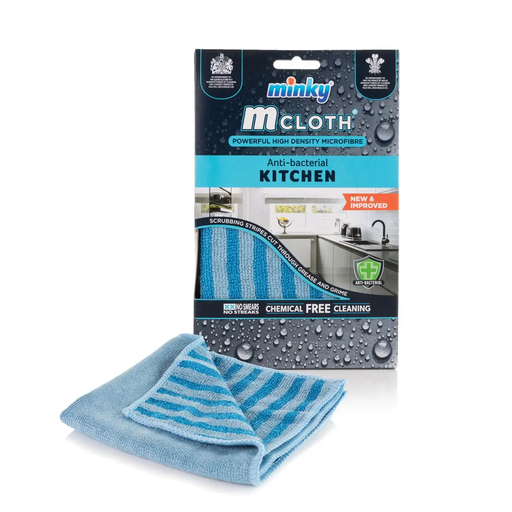
Why It Stands Out: This cloth is a true kitchen workhorse, designed with a dual-sided construction to handle multiple tasks. One side features non-scratch scrubbing stripes that are surprisingly effective at dislodging stubborn, burnt-on food and grease from hobs and pans. The other side is a soft, high-density microfibre, perfect for wiping down and polishing shiny surfaces. Its construction boasts 700,000 fibres per cm?, giving it a significant advantage in trapping dirt.
Pros:
Who is it for?
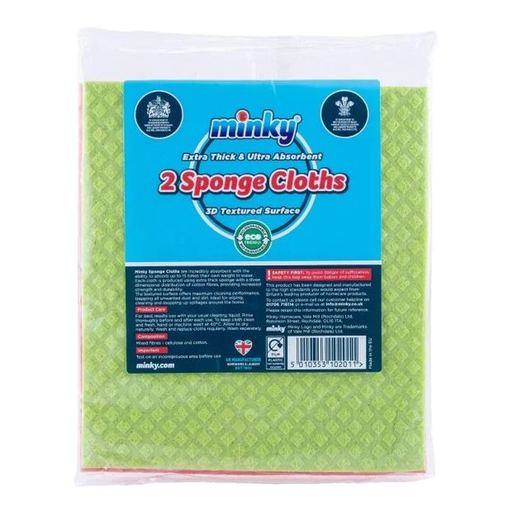
Why It Stands Out: When a spill happens, you need a solution that works immediately. This is where the Minky Extra Thick Sponge Cloth excels. Made from natural cellulose, it is designed for maximum absorption, capable of holding up to 7 times its own weight in water. The 3D surface helps to lift and trap liquid efficiently, making it ideal for mopping up spills from worktops, tables and floors.
Pros:
Who is it for?
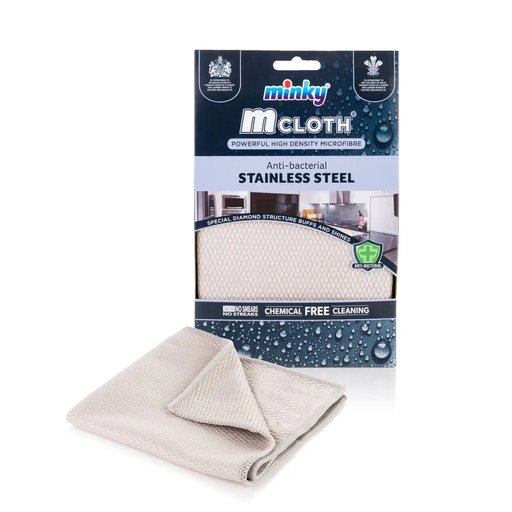
Why It Stands Out: Stainless steel appliances look fantastic, but keeping them free of fingerprints and water marks can be a constant struggle. This specialist cloth is constructed with a unique diamond structure weave that is specifically designed to lift grease and smudges while buffing the surface to a brilliant shine. It also features an anti-bacterial treatment, which helps keep the cloth itself more hygienic between uses.
Pros:
Who is it for?
While these cloths address some of the most common cleaning needs, every home is different. If your main challenge is dealing with large spills or you simply need a cloth with maximum absorption for bathroom and kitchen duties, you may want to explore other specialised options.
Explore our full range of High Absorbency Cloths to find the perfect match for your cleaning routine.
1. How often should you replace reusable cleaning cloths? For hygiene, it is good practice to replace frequently used cloths, like those for the kitchen, every couple of months, or sooner if they show signs of wear or develop a persistent odour. Washing them at a high temperature after each use can extend their life.
2. Can you use microfibre cloths without cleaning chemicals? Yes, one of the main benefits of high-quality microfibre cleaning cloths is their effectiveness with just water. The microscopic fibres are designed to mechanically grab and hold onto dust, dirt and bacteria, reducing the need for chemical sprays for many everyday cleaning tasks.