
24/7 Customer Support

Free returns

Same-day & Next-day Delivery

Quality Guaranteed

Unlock Your Welcome Offers: FREE Delivery | Up to 80% OFF | Free 30-day JoyPlus trial
Download the APP
Choosing cleaning equipment for a UK home, vehicle or commercial site is not simply a matter of selecting the product with the highest power rating or the longest feature list. The wrong design can create more work, leave surfaces overly wet or become difficult to maintain after regular use.
Whether you need a wet and dry vacuum cleaner for kitchen spills, an upholstery spot cleaner for sofas and car seats, or a commercial dustpan for large floor areas, focus on how the equipment will handle your actual cleaning routine.
A larger wattage figure does not automatically mean better cleaning results. Suction design, brush contact, water recovery and airflow also affect performance. For carpet stain remover tasks, check whether the machine sprays, agitates and extracts moisture rather than relying on motor power alone.
For hard floors, a cordless floor cleaner should also be easy to steer, refill and empty. A powerful machine that is heavy or awkward around furniture may spend more time in storage than in use.
Some cleaning machines and mops require you to work with increasingly dirty water. This can spread residue across the floor and create unpleasant maintenance work.
A flat mop and bucket set with separate clean and dirty water areas can reduce this issue. For powered appliances, look for removable tanks, washable filters and a clear cleaning process. Self-cleaning features are useful, but they do not remove the need to empty tanks, rinse components and allow filters to dry fully.
A large carpet cleaner may be unsuitable for a small flat, while a narrow household mop may be inefficient in a school, hotel or warehouse. Before purchasing, measure cupboard space, doorways and the areas you intend to clean.
For occasional spills, an upholstery spot cleaner may offer more practical value than a full-size machine. For daily sweeping, a wide commercial dustpan can reduce the number of passes across large floors.
For carpets, upholstery and pet messes, a useful appliance should remove both loosened dirt and excess cleaning solution. A spray, scrub and suck system combines application, agitation and extraction in one process.
Check the clean-water and dirty-water tank capacities separately. Larger tanks can support longer sessions, but they also add weight when full. For domestic use, portability may matter more than maximum capacity. In workplaces or hospitality settings, tank size and easy emptying may be higher priorities.
A mop head should maintain contact with the floor without requiring excessive pressure. Microfibre pads are suitable for collecting dust, light debris, water marks and some everyday residue. A slim head is particularly useful beneath sofas, beds and low cabinets.
For sweeping, the width of the dustpan determines how much debris can be collected per pass. A 34cm commercial dustpan is designed for larger areas such as school corridors, kitchens, warehouse floors and hotel spaces. A wide lip is also important because gaps between the pan and floor can leave fine dirt behind.
Follow the manufacturer’s instructions and check that the appliance is intended for the surface and environment involved. Electrical cleaning equipment should be used indoors only where specified, kept away from flammable liquids and operated with dry hands.
For powered appliances, ensure that filters, tanks and dust containers are correctly fitted and completely dry before use. Do not use a machine to collect hot ash, burning materials, sharp objects or liquids that the instructions exclude.
For commercial cleaning, non-porous plastic can be easier to wash and sanitise. The 34cm dustpan listed below uses high-density polyethylene and a one-piece moulded construction, according to its product information.
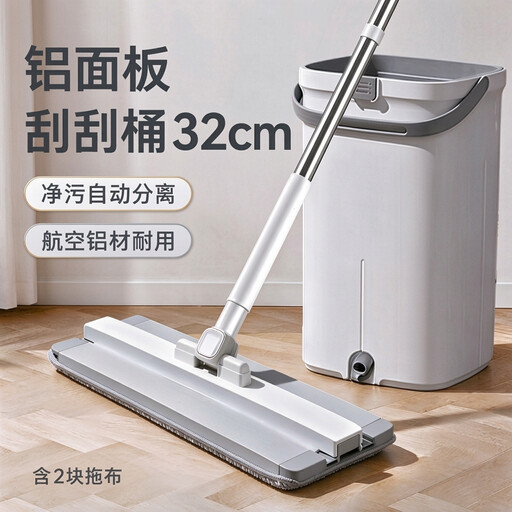
Why This Fits Their Persona: A practical option for renters, small households and anyone wanting straightforward floor cleaning tools without storing a powered appliance. The slim mop head can reach beneath low furniture.
The two-compartment bucket separates washing and dehydration areas, helping avoid repeatedly rinsing the mop in dirty water.
Microfibre pad supports wet and dry use; hands-free wringing and self-cleaning scraper bristles reduce direct contact with dirty water.
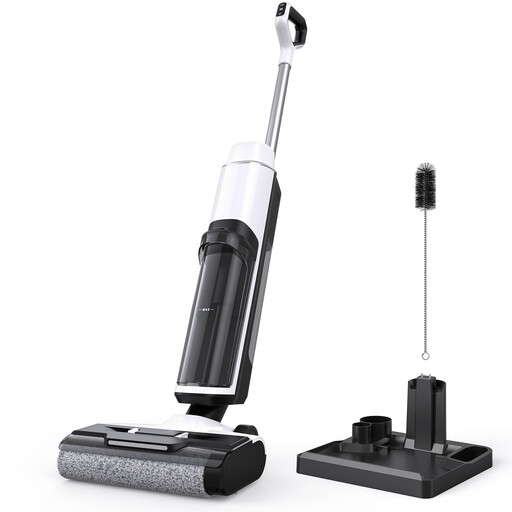
Why This Fits Their Persona: Suitable for busy families and homeowners managing mixed hard-floor messes, including wet spills and dry debris. Its self-propelled motion is designed to reduce pushing effort during routine cleaning.
Its stated wash, dry and self-clean functions address the common problem of buying separate tools for routine wet-floor cleaning.
Three adaptive cleaning modes; dual cleaning squeegees and edge-cleaning design are listed among its features.
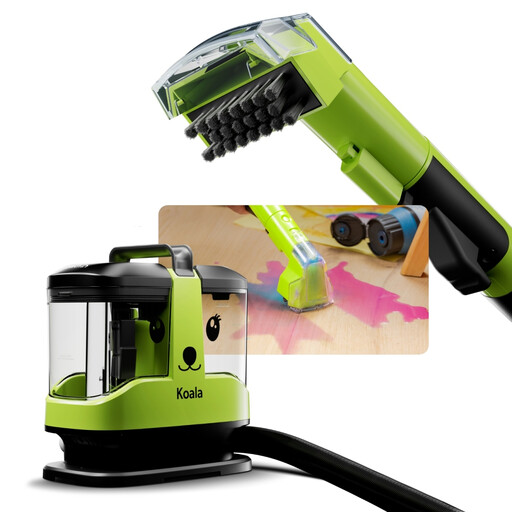
Why This Fits Their Persona: Designed for targeted cleaning on sofas, stairs, carpets, car interiors and upholstery. It suits pet owners and car owners who need to deal with localised messes rather than wash an entire room.
The separate 1.8-litre clean-water and 1.5-litre dirty-water tanks make the water flow easier to manage than a single mixed tank.
Spray, scrub and suck action; supplied upholstery and crevice tools; washable foam and felt filters.
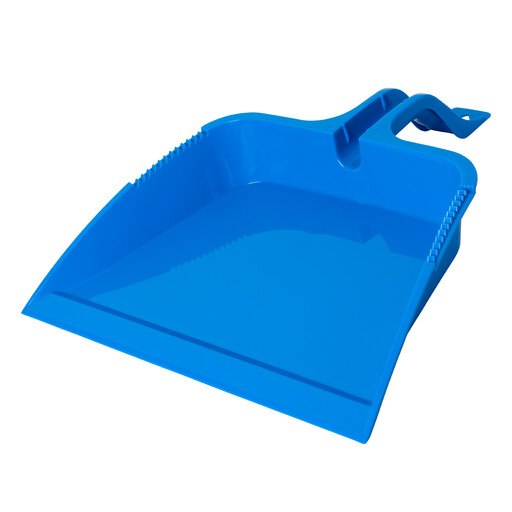
Why This Fits Their Persona: A straightforward fit for offices, schools, hospitality businesses, warehouses and larger homes where dry debris must be collected quickly across broad floor areas.
The wide lip is designed for floor contact, helping reduce debris escaping beneath the collection edge during sweeping.
34cm collection width; HDPE plastic construction; non-porous surface can be washed and sanitised.
A reliable household cleaning supplies collection usually combines several tools rather than relying on one appliance for every job:
Test cleaning solutions on an inconspicuous area first, particularly on coloured upholstery, rugs and delicate flooring. Do not leave carpets or furniture excessively damp, as drying conditions depend on ventilation, room temperature and fabric type.
A flat mop and bucket set, compact vacuum or brush, dustpan and targeted upholstery spot cleaner cover most routine tasks. Prioritise slim storage, washable components and tools that can handle both dry dust and everyday spills.
No. Always check the product instructions before collecting liquids. Do not use equipment for flammable or combustible liquids, hot ash, burning materials or substances excluded by the manufacturer. Keep electrical connections and controls dry.
Empty dirty-water tanks after use, rinse removable parts, wash filters where instructed and allow components to dry completely before reassembly. Store appliances indoors in a cool, dry location, and replace worn mop pads or damaged accessories rather than continuing to use them.