
24/7 Customer Support

Free returns

Same-day & Next-day Delivery

Quality Guaranteed

Unlock Your Welcome Offers: FREE Delivery | Up to 80% OFF | Free 30-day JoyPlus trial
Download the APP
From washing up after a family meal to scrubbing the bathroom, daily household chores can be tough on your hands. Constant exposure to warm water, detergents and cleaning agents can lead to dry, chapped skin and irritation. A reliable pair of cleaning gloves is a simple yet essential tool to protect your hands, keeping them comfortable and healthy.
However, with so many options available, choosing the right pair can feel overwhelming. This guide is designed to cut through the clutter, offering practical advice to help you find the perfect gloves for your household needs. We will explore key features to look for and present some of our top recommendations to make your decision easier.
Finding the ideal pair of kitchen gloves involves more than just picking a colour you like. Consider these factors to ensure you get the protection and comfort you need.
The material of your gloves determines their durability, flexibility and suitability for your skin.
If you wear gloves for extended periods, comfort is key.
Effective cleaning requires a firm hold on your tools and the surfaces you are cleaning.
Based on features that offer durability, comfort and reliable protection, here are our recommendations for 2026.

Why It Stands Out: These gloves feature a special nitrile coating over a triple-layer structure, offering a notable balance of toughness and flexibility. This design provides enhanced protection against household detergents while remaining comfortable for everyday use.
Pros:
Who is it for?: Ideal for those seeking a dependable, all-purpose pair of kitchen gloves for daily tasks, from washing up to wiping down surfaces.
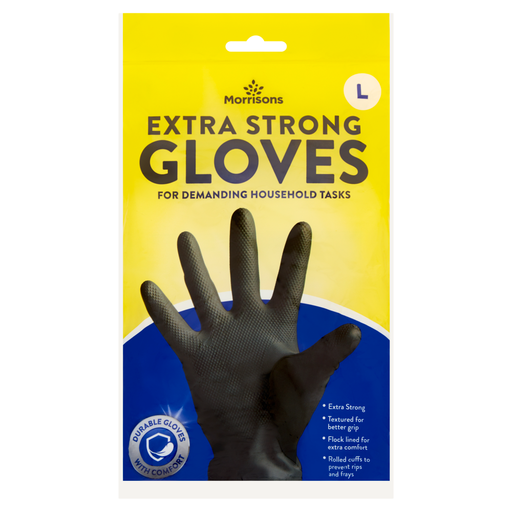
Why It Stands Out: Engineered for tougher jobs, these gloves are made from an extra-thick latex material. This construction makes them highly resistant to tears and punctures, positioning them as true heavy duty rubber gloves for demanding household cleaning.
Pros:
Who is it for?: A great choice for individuals who need robust protection for more intensive cleaning, such as scrubbing floors, deep cleaning bathrooms or tackling outdoor tasks.
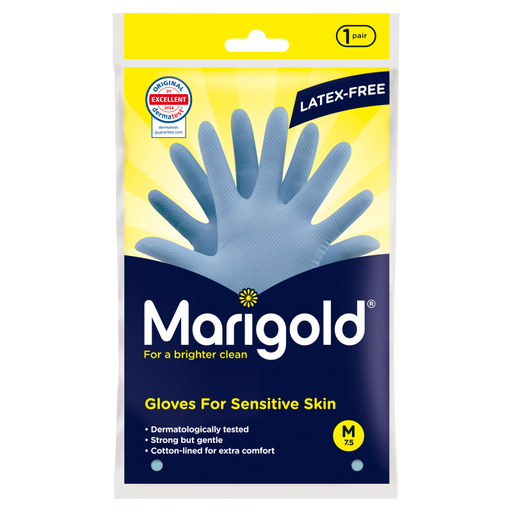
Why It Stands Out: These gloves are specifically designed for those who need gentle protection. Being latex-free and dermatologically tested, they provide a safe barrier against detergents and warm water without the risk of triggering latex allergies or skin sensitivities.
Pros:
Who is it for?: Anyone with sensitive skin, eczema or a known latex allergy who requires reliable and comfortable hand protection for everyday cleaning chores.
While the gloves above are excellent for a range of general cleaning tasks, some activities call for different features. If you are searching for specialised hand protection, perhaps with a different aesthetic or enhanced dexterity, you can browse our wider collections.
Discover more options in our Black Mobility Gloves category to find a pair that suits your specific requirements.
To extend the life of your gloves, always rinse them inside and out with clean water after each use to remove any detergent residue. Hang them to air dry completely, away from direct sunlight or heat sources. Avoid contact with sharp objects, oils and harsh industrial solvents, which can degrade the material.
Cotton lined gloves offer a significant comfort advantage, especially for prolonged use. The lining absorbs sweat, keeping your hands drier and more comfortable. It also makes the gloves much easier to put on and take off and can help reduce friction and irritation against the skin.
The main difference lies in their construction and intended use. Standard washing up gloves are typically thinner and more flexible to allow for dexterity when handling delicate dishes. In contrast, heavy duty rubber gloves are made from thicker, more robust materials to provide greater resistance to tears, punctures and stronger chemicals, making them better suited for tough jobs like cleaning ovens, scrubbing tiles or gardening.