
24/7 Customer Support

Free returns

Same-day & Next-day Delivery

Quality Guaranteed

Unlock Your Welcome Offers: FREE Delivery | Up to 80% OFF | Free 30-day JoyPlus trial
Download the APP
Make-up, sunscreen, sebum and city pollution can be difficult to remove with a water-based cleanser alone. That is why a cleansing balm and oil is often used as the first step in an evening routine, particularly when wearing long-wear foundation or high-factor SPF.
However, attractive packaging and phrases such as “deep pore cleansing” do not always tell you whether a formula will suit your skin. The right choice depends on texture, emulsification, fragrance, ingredients and how you plan to use it.
A cleansing oil should mix with water and form a milky emulsion before rinsing. If it remains slick on the skin, you may be left with residue that feels uncomfortable or interferes with your second cleanse.
Look for clear usage instructions requiring dry hands and a dry face, followed by thorough emulsification with lukewarm water. Balms should similarly melt from a solid texture into an oil before being rinsed.
Cleansing oils can help loosen surface sebum, make-up and daily impurities through massage. They should not be treated as a guaranteed solution for blackheads, enlarged pores or acne. Claims about permanently changing pore size or preventing skin ageing should be approached cautiously.
For blackhead-prone skin, the practical priorities are a lightweight texture, gentle massage and complete rinsing. Avoid aggressive rubbing, which can leave skin feeling irritated.
A formula described as nourishing or botanical may still contain fragrance, essential oils or known fragrance allergens. These are not automatically unsuitable, but they may be a consideration for reactive or sensitive skin.
Check the current packaging for the complete INCI list. A fragrance-free cleansing balm may be a more suitable starting point if you are sensitive to scented products. Patch testing is sensible when introducing any new cosmetic.
A facial cleansing balm is solid or semi-solid in the container and melts with skin warmth. It can be convenient for travel and may feel cushioning during massage. A cleansing oil is already liquid and is usually dispensed with a pump, making it quick to spread across the face.
Neither format is automatically more effective. Choose a balm if you prefer a richer, controlled application; choose an oil if you want a lightweight texture and easy dispensing.
Emulsification is the point at which oil combines with water to form a milky fluid. This helps the product rinse away more easily. Apply the product to dry skin, massage gently, add a small amount of lukewarm water and continue massaging until the texture changes.
If you wear waterproof mascara, long-lasting foundation or water-resistant SPF, allow enough time for the product to dissolve the make-up rather than scrubbing. A separate eye make-up remover may still be useful for particularly stubborn products.
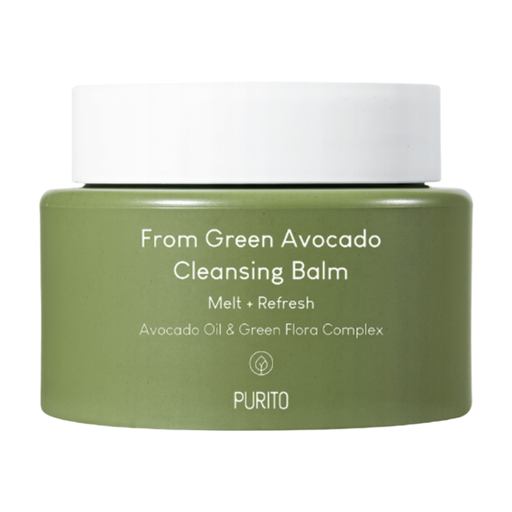
Why This Fits Their Persona: A straightforward balm format for shoppers beginning a double-cleansing routine, with a 100ml size that suits regular evening use.
Its instructions specify dry application and thorough rinsing, helping new users avoid leaving an oily film behind.
Balm-to-oil texture; contains avocado oil at 10,000ppm and a 100ml fill size.
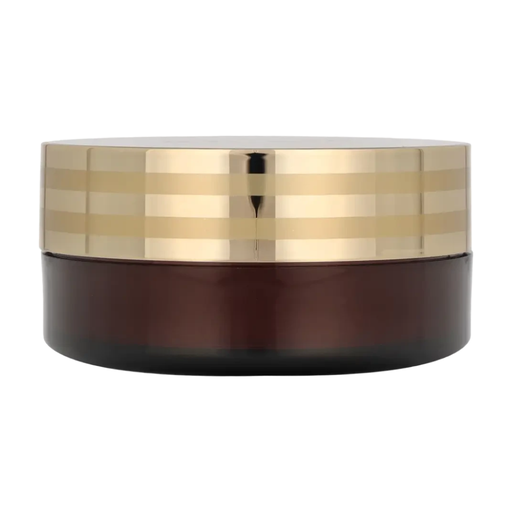
Why This Fits Their Persona: Suitable for shoppers who value a more sensory balm experience and regularly remove long-wear or waterproof make-up.
The three-stage texture change gives a clear visual sign that the balm has transformed and is ready to rinse.
Transforms from balm to oil to milk; includes 25% safflower seed oil according to the supplied product information.
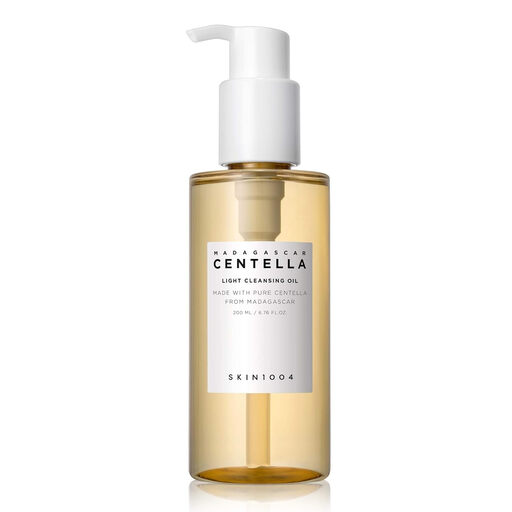
Why This Fits Their Persona: A practical option for frequent make-up and SPF users who prefer a larger bottle and a lightweight Korean cleansing oil texture.
The liquid formula is designed to emulsify with water, while the 200ml size can reduce the need for frequent replacement.
Lightweight oil texture; includes centella asiatica extract and is listed as mineral-oil-free.
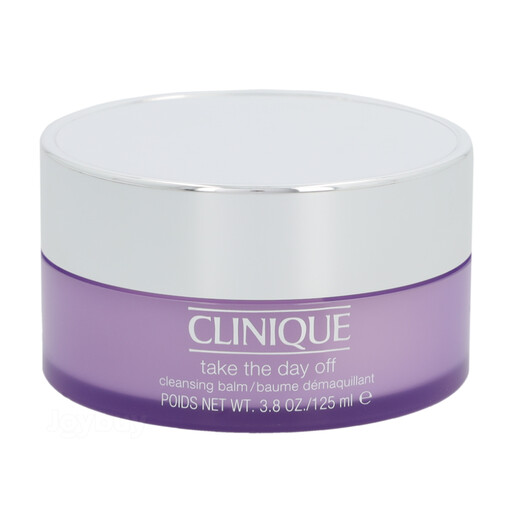
Why This Fits Their Persona: A fragrance-free balm for shoppers who want a simple first cleanse and regularly wear contact lenses or eye make-up.
The fragrance-free positioning makes it easier to avoid scented formulas when checking the label is a priority.
125ml size; balm-to-oil texture; listed as fragrance-free and suitable for all skin types.
We have compiled a complete, real-time list of products that fully satisfy these strict selection criteria and UK safety regulations.
It can be used daily as an evening first cleanse when you wear make-up, SPF or encounter significant daily impurities. Use gentle pressure and rinse fully. If your skin feels tight or irritated, reduce usage or review the formula.
A second cleanser is optional for light use, but it is commonly used after heavy make-up, water-resistant SPF or an oily first cleanse. Choose a mild water-based cleanser rather than repeatedly washing with harsh products.
Usage varies according to the amount applied and frequency. A 200ml pump bottle may last longer than a 70ml balm for frequent users, while a 125ml jar can offer a practical middle ground. Always follow the product’s storage guidance and check the packaging for batch and shelf-life information.