
24/7 Customer Support

Free returns

Same-day & Next-day Delivery

Quality Guaranteed

Unlock Your Welcome Offers: FREE Delivery | Up to 80% OFF | Free 30-day JoyPlus trial
Download the APP
Removing make-up, sunscreen, excess sebum and pollution is often the first step towards a comfortable skincare routine. However, choosing between a facial cleansing balm and cleansing oil is not simply a matter of selecting the most expensive jar or the product with the longest ingredient list.
The most suitable option depends on texture, emulsification, fragrance, eye-area use and how well the formula matches your skin. This guide highlights common buying traps, explains the specifications worth checking and matches several options to different shopping needs.
A thick balm can feel luxurious, but richness alone does not indicate how effectively it removes waterproof make-up or rinses away. A good first cleanser should spread without tugging and transform into an oil or milk when water is added.
If a formula remains greasy after rinsing, you may use too much of your second cleanser to remove the residue. That can be uncomfortable for dry or sensitive skin.
A cleansing oil can help dissolve oil-based residues such as sebum, sunscreen and make-up. It is not a replacement for professional treatment, nor does a short massage guarantee the removal of every blackhead. Be cautious with claims about permanently shrinking pores or preventing ageing.
For congested skin, gentle massage and thorough emulsification are more practical considerations than aggressive rubbing or abrasive particles.
A product labelled as nourishing or botanical may still contain parfum, essential oils or fragrance allergens. These ingredients are not automatically unsuitable, but shoppers with reactive or fragrance-sensitive skin should check the full INCI list carefully and consider a patch test.
Always apply most cleansing balms and oils to dry hands and a dry face, unless the packaging says otherwise. Add water only after dissolving make-up and sunscreen.
For cleansing oil for sensitive skin, prioritise a short, clearly listed formula and consider fragrance-free options. Clinique Take The Day Off Cleansing Balm and Beauty Of Joseon Ginseng Cleansing Oil are listed as fragrance-free, although individual sensitivities can still vary.
For cleansing balm for dry skin, look for oils, glycerin, shea butter or other emollient ingredients. A nourishing feel can be useful in colder or centrally heated UK homes, but a second cleanser should still leave skin comfortable rather than tight.
People looking for cleansing oil for oily skin should not assume that all oils worsen oiliness. The key checks are light texture, complete emulsification and thorough rinsing. Avoid extended rubbing, particularly if blemishes are inflamed.
Waterproof mascara, long-wear foundation and high-protection sunscreen need an oil-soluble first cleanser. A waterproof make-up remover may be useful for especially persistent eye products, but check whether the chosen balm or oil is intended for use around the eyes.
Follow the product’s directions precisely. If a label advises avoiding the eye area, do not use it directly on closed eyelids. Stop use if burning, persistent redness or itching occurs.
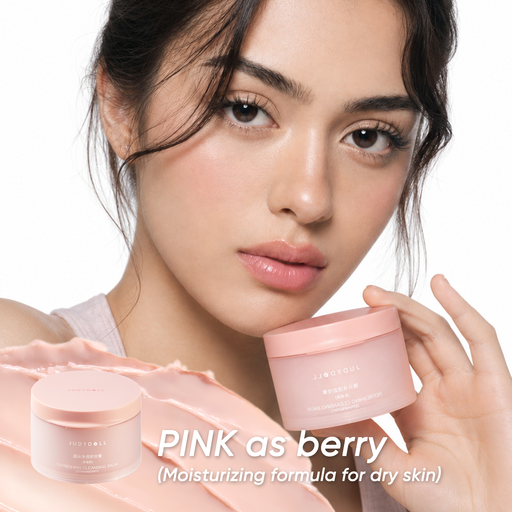
Why This Fits Their Persona: A straightforward balm format for shoppers starting a double-cleansing routine and wanting a comfortable option for dry-feeling skin.
Its powder-to-oil format is designed to emulsify into a milky texture, helping avoid the heavy residue associated with some rich balms.
Includes ceramides and botanical oils; the product description positions it for dry skin and daily use.
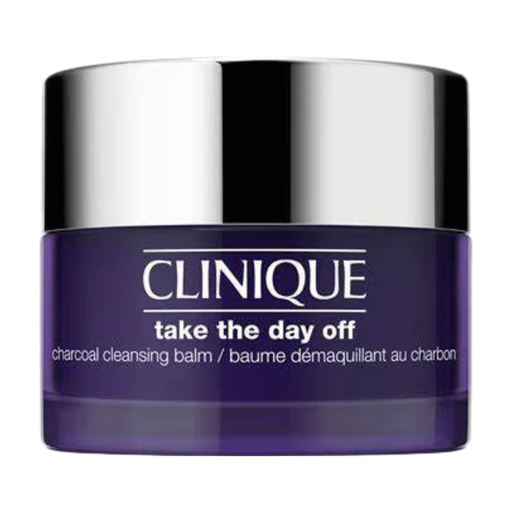
Why This Fits Their Persona: A compact, fragrance-free balm for shoppers who want a recognisable first cleanser for make-up and SPF removal.
The listed formula is fragrance-free and designed to transform from balm to oil, addressing residue and fragrance concerns.
Listed as non-greasy and non-drying, with dermatologist, ophthalmologist and allergy testing stated in the product information.
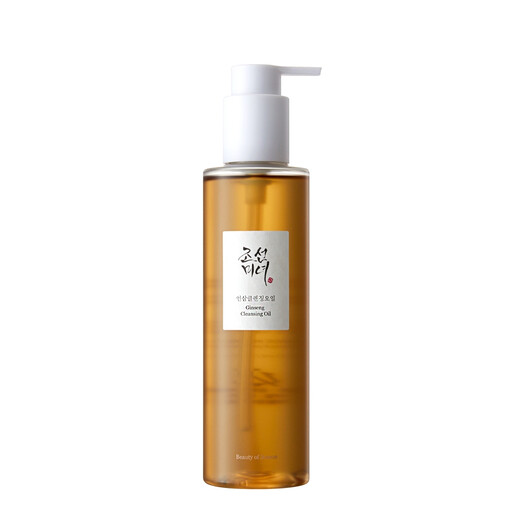
Why This Fits Their Persona: Its lightweight, watery format suits shoppers building a Korean cleansing oil routine and following it with a foam or gel cleanser.
The formula is described as free from artificial fragrance and essential oils, while its milky emulsion is intended to rinse without an oily finish.
Contains soybean oil, olive oil and ginseng seed oil; the 210ml pump bottle offers a generous format for regular use.
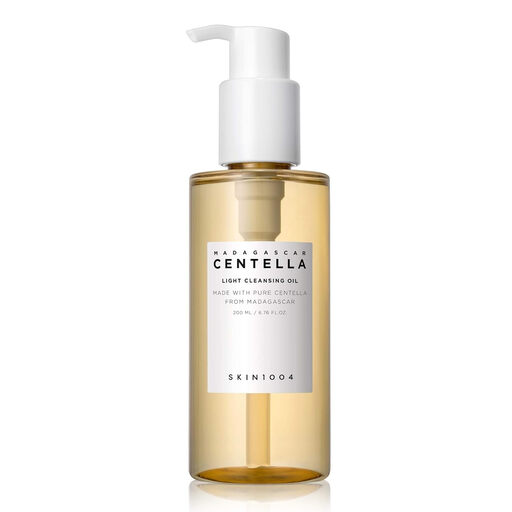
Why This Fits Their Persona: A light oil for frequent SPF, make-up and sebum removal, particularly for shoppers who dislike thick or sticky textures.
Its listed lightweight formula and water-to-milk emulsification address the common concern that cleansing oils leave a heavy film.
Contains Centella Asiatica extract and is listed as free from mineral oil, with a 200ml pump format.
We have compiled a complete, real-time list of products that fully satisfy these strict selection criteria and UK safety regulations.
Not always. It can be useful when you have worn make-up, water-resistant sunscreen or feel there is an oil-based residue on the skin. On make-up-free days, a single gentle facial cleanser may be sufficient. Adjust the routine if your skin feels tight or uncomfortable.
Neither format is automatically better. A fragrance-free, well-emulsifying formula may be easier to tolerate than a fragranced product, but sensitivity varies. Check the ingredient list, patch test when appropriate and avoid using products on irritated or broken skin.
There is no fixed lifespan because usage varies by dose and frequency. A 200ml pump oil may last longer than a smaller jar used generously, while a balm can be affected by moisture entering the container. Keep the lid or pump closed, store it away from heat and follow the packaging’s expiry or period-after-opening guidance.