
24/7 Customer Support

Free returns

Same-day & Next-day Delivery

Quality Guaranteed

Unlock Your Welcome Offers: FREE Delivery | Up to 80% OFF | Free 30-day JoyPlus trial
Download the APP
A cleansing oil and makeup remover can dissolve foundation, sunscreen, sebum and long-wear cosmetics more efficiently than many water-based cleansers. However, the wrong formula may leave a film, sting around the eyes or encourage you to rub sensitive areas too vigorously.
UK shoppers comparing a facial cleansing oil, a dedicated eye product or a Korean cleansing oil should look beyond phrases such as “deep cleansing” and “pore care”. The practical details are usually found in the ingredients, removal method and recommended skin type.
A cleansing oil should emulsify when mixed with water, changing into a milky fluid that can be rinsed away. If it does not emulsify effectively, residue may remain around the nose, hairline and jaw.
Look for clear directions explaining whether the product should be applied to dry skin and dry hands, followed by water and thorough rinsing. This is particularly important if you are prone to congestion or prefer a quick evening routine.
A blackhead cleansing oil may loosen surface sebum and makeup trapped around pores, but it cannot guarantee permanent removal of blackheads or change pore size. Claims about “detoxing” or “shrinking” pores should be treated cautiously.
Gentle massage for around 30–60 seconds is generally more sensible than prolonged scrubbing. Excessive friction can leave skin feeling uncomfortable, especially if you already use exfoliating acids or retinoid products.
A face cleansing oil is not automatically suitable for the delicate eye area. Waterproof mascara and transfer-resistant lipstick may be easier to remove with a dedicated eye and lip makeup remover, applied with a press-and-hold technique rather than repeated wiping.
Check warnings carefully, avoid direct contact with the eyes and stop use if redness, itching or burning develops. A patch test can be useful when trying a new cleansing oil for sensitive skin.
The most useful technical feature is how the oil behaves with water. A formula that turns into a light milk is usually more convenient for an evening double cleansing routine. You should still rinse thoroughly and follow with a water-based cleanser if the product instructions recommend it.
For heavy foundation, high-factor sunscreen or waterproof eye makeup, allow the oil time to dissolve the product. Rubbing harder is not a replacement for adequate contact time.
There is no single ingredient profile that suits everyone. Consider the following:
A 195–210ml pump bottle is practical for frequent full-face use, while a 50ml bottle can be a lower-commitment option for travel or trying a texture. Dual-phase removers normally require shaking before application, whereas cleansing oils are commonly massaged directly onto dry skin.
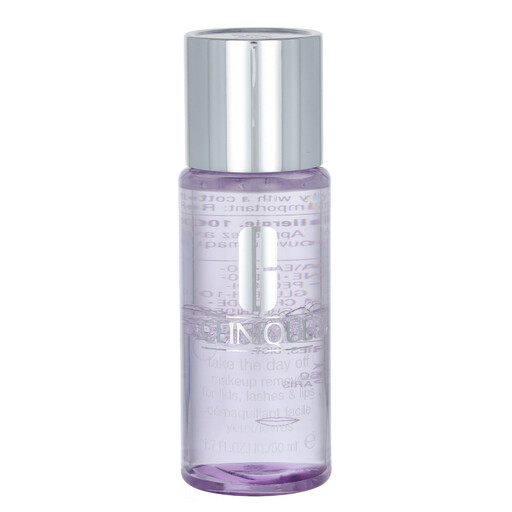
Why This Fits Their Persona: The 50ml size suits shoppers starting a makeup-removal routine, occasional makeup users and anyone wanting a compact option for a handbag or weekend away.
It is designed specifically for lids, lashes and lips, helping avoid harsh rubbing when removing waterproof mascara or long-wear lipstick.
50ml format; fragrance-free formula listed for eye and lip makeup removal.
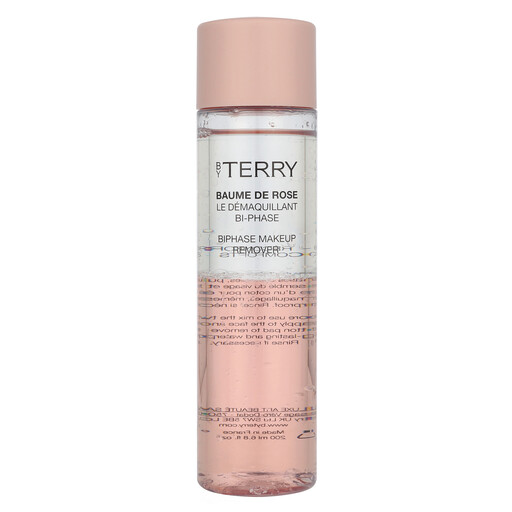
Why This Fits Their Persona: A 200ml dual-phase remover suits shoppers who value a more sensory routine and regularly remove long-wear or waterproof makeup.
The oil-and-water phases are clearly identified, so you know to shake the bottle before use rather than expecting a standard cleansing-oil texture.
200ml size; rosehip oil and panthenol are listed in the ingredients.
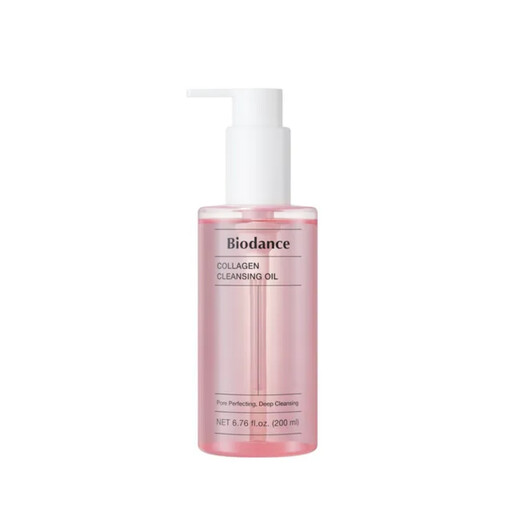
Why This Fits Their Persona: Suitable for shoppers who frequently wear waterproof makeup, high-factor sunscreen or full-coverage base products and want a larger daily-use bottle.
The directions explain dry application, massage, emulsification and rinsing, reducing the risk of leaving a heavy film behind.
200ml pump bottle; contains several listed ceramides and plant oils.
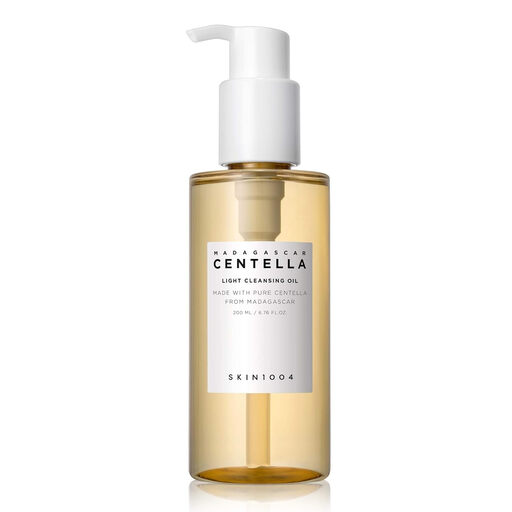
Why This Fits Their Persona: A lightweight option for shoppers looking for a Korean cleansing oil with a simple first-cleanse step and a less rich after-feel.
Its instructions make emulsification and rinsing central to use, while the listed formula avoids mineral oil.
200ml size; includes sunflower seed oil, glycerine and Centella Asiatica extract.
We have compiled a complete, real-time list of products that fully satisfy these strict selection criteria and UK safety regulations.
It can be, provided the formula emulsifies and rinses thoroughly. Oily skin still needs effective removal of sunscreen and sebum. Choose a lightweight product, avoid prolonged massage and assess whether your skin feels clean without tightness or residue.
Many cleansing oils are designed to dissolve long-wear foundation, sunscreen and waterproof products. For mascara and lipstick, a dedicated makeup remover for waterproof makeup or eye-and-lip formula may offer better control. Always follow the product directions and avoid rubbing the eye area.
Often, yes. Double cleansing usually means using an oil-based first cleanser to dissolve makeup and sunscreen, followed by a water-based cleanser to remove remaining sweat and water-soluble residue. If your product label gives different instructions, follow the packaging guidance.