
24/7 Customer Support

Free returns

Same-day & Next-day Delivery

Quality Guaranteed

Unlock Your Welcome Offers: FREE Delivery | Up to 80% OFF | Free 30-day JoyPlus trial
Download the APP
Removing make-up, SPF and daily grime should not leave your face feeling tight, greasy or irritated. Yet choosing between a facial cleansing oil and cleansing balm can be confusing, particularly when packaging focuses on phrases such as “deep cleansing”, “pore care” or “barrier support”.
The right formula depends on how much make-up you wear, your skin type and how easily the product emulsifies with water. This guide explains the practical details to check before buying, followed by our top recommendations for different shopping needs.
A cleanser that leaves skin squeaky or tight may simply be removing too much surface oil. A first cleanse should dissolve make-up, sunscreen and sebum before rinsing away without an uncomfortable stripped feeling.
Look for an oil or balm that changes into a milky emulsion when mixed with water. This usually makes it easier to rinse away than a formula that remains oily on the skin.
A pore cleansing oil can loosen sebum and surface impurities, but no cosmetic cleanser can permanently change pore size. Extended rubbing around the nose or cheeks may also cause redness, especially for sensitive or acne-prone skin.
A practical formula should spread easily, allowing make-up to dissolve with gentle massage rather than repeated friction.
Botanical ingredients are not automatically suitable for every complexion. Fragrance, fragrant allergens and essential oils may be unsuitable for people who react easily. Check the full INCI list if you are specifically looking for a fragrance-free cleansing balm or cleansing oil for sensitive skin.
Also remember that “natural”, “Korean cleansing oil” and “anti-ageing” describe positioning or ingredients, not a guarantee of a particular skin result.
Cleansing oils are usually fluid and pump-dispensed, while balms are solid or semi-solid and melt into an oil on contact with the skin. Neither format is automatically more effective.
For convenient rinsing, check whether the formula is designed to emulsify. Apply it to dry hands and a dry face, massage briefly, add lukewarm water and continue until the texture turns milky. Rinse thoroughly rather than wiping aggressively.
If you wear waterproof mascara, long-wear foundation or high-factor sunscreen, choose a product whose directions specifically mention make-up, SPF or waterproof products. A dedicated waterproof make-up remover may still be useful for particularly persistent eye make-up.
The eye area requires care: keep eyes closed, avoid forceful rubbing and rinse immediately if the product causes stinging.
For dry skin, oil blends, glycerine, ceramides or conditioning plant oils may provide a more comfortable after-feel. For oily or combination skin, a lightweight formula that rinses clean can be preferable. People seeking an oil-free or mineral-oil-free option should verify the current ingredient list rather than relying only on front-label wording.
Those with known allergies or reactive skin should patch test and stop using the product if redness, itching, burning or swelling occurs. Cosmetic cleansers are for external use only and should not be applied to broken or inflamed skin.
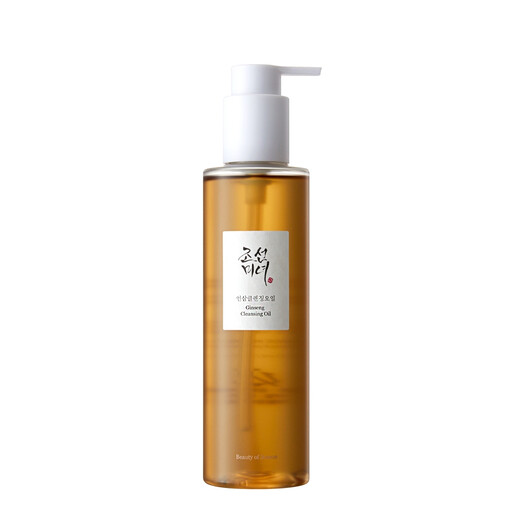
Why This Fits Their Persona: A lightweight 210ml facial cleansing oil with a watery texture suits shoppers starting a simple evening double cleansing routine after work, commuting or everyday SPF use.
Its listed formula is free from artificial fragrance and essential oils, helping shoppers avoid selecting a scented product solely because of its packaging.
210ml size; emulsifies into a milky texture; includes soybean oil and ginseng seed oil.
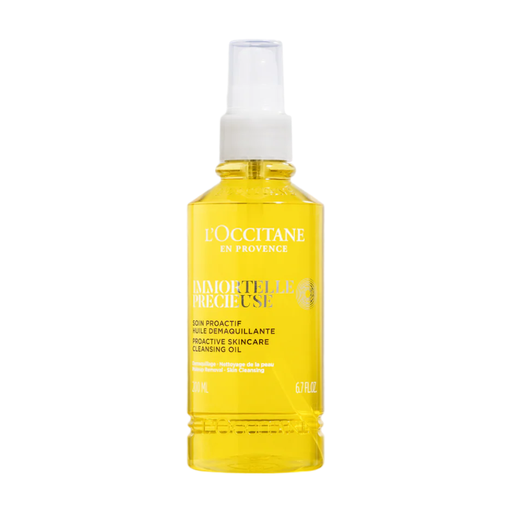
Why This Fits Their Persona: Its fluid, silky texture and oil-to-milk transformation suit shoppers who value a more sensorial first cleanse alongside a generous 200ml format.
The directions clearly explain dry application, water emulsification and a follow-up cleanser, reducing the risk of using an oil without rinsing it properly.
Contains castor oil and immortelle ingredients; suitable for all skin types according to the supplied product information.
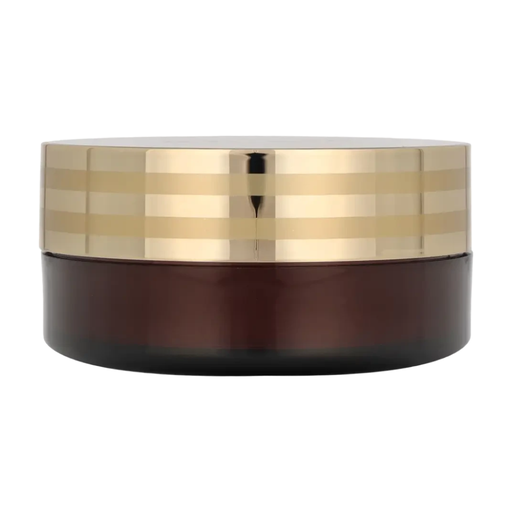
Why This Fits Their Persona: The balm-to-oil-to-milk texture is suited to frequent long-wear or waterproof make-up users who want a cushioning product for an evening first cleanse.
Its stated use includes long-wear and waterproof make-up, so the selection is based on a defined use case rather than a vague “deep clean” message.
Contains safflower seed oil; transforms through three textures; directions allow application over closed eyes.
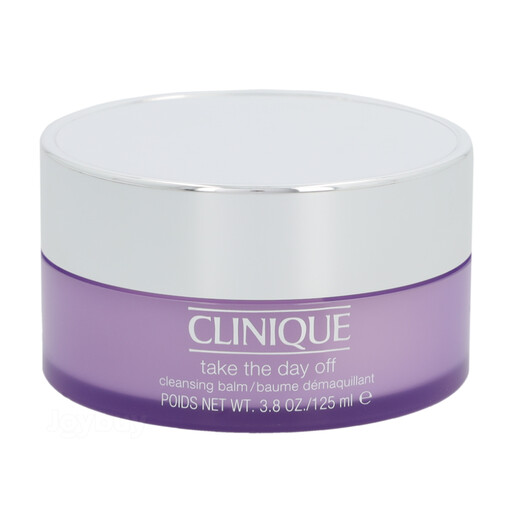
Why This Fits Their Persona: A fragrance-free cleansing balm with a larger 125ml size suits shoppers who want a straightforward option for regular make-up and sunscreen removal.
The supplied product information identifies it as fragrance-free, non-drying and non-comedogenic, giving sensitive-skin shoppers specific details to compare.
125ml format; balm-to-oil texture; listed as suitable for sensitive skin and contact lens wearers.
We have compiled a complete, real-time list of products that fully satisfy these strict selection criteria and UK safety regulations.
Use a clean spatula for jar-based balms and keep the lid closed between uses. This helps limit contamination and protects the product from moisture.
Neither format is universally better. Dry skin may prefer a balm or oil containing conditioning oils and humectants, but the key consideration is whether it rinses without leaving tightness. Follow with a gentle hydrating facial cleanser if a second cleanse is needed.
Yes, provided the formula suits you and is rinsed thoroughly. Choose a lightweight cleansing oil for oily skin, avoid prolonged rubbing and monitor how your skin responds. A product labelled non-comedogenic may be useful, but it does not guarantee that every individual will tolerate it.
Shelf life depends on the product, storage conditions and frequency of use. Follow the period-after-opening symbol and packaging instructions. A 200ml pump bottle may last longer than a smaller balm, while daily use and the amount dispensed will determine the actual running cost. Do not use a product if its smell, colour or texture changes noticeably.