
24/7 Customer Support

Free returns

Same-day & Next-day Delivery

Quality Guaranteed

Unlock Your Welcome Offers: FREE Delivery | Up to 80% OFF | Free 30-day JoyPlus trial
Download the APP
Removing makeup, sunscreen and everyday grime should not leave your face feeling tight, greasy or overworked. Yet choosing between a cleansing oil and balm can be surprisingly difficult when product pages focus on phrases such as “deep pore cleansing”, “instant emulsification” or “waterproof makeup remover”.
The practical question is not which format sounds most impressive. It is whether the formula matches your skin, routine and the products you need to remove.
A thick balm may feel luxurious, while a lightweight facial cleansing oil may spread more easily. Neither texture automatically removes makeup more effectively. Performance depends largely on the oil phase and emulsifiers that allow the formula to loosen cosmetics and rinse away with water.
If a product leaves a persistent film, you may use too much water-based cleanser afterwards, which can contribute to a tight feeling. Look for clear directions explaining how the product changes texture when emulsified.
Oil cleansing can help loosen surface sebum, sunscreen and cosmetic residue, but it is not a guaranteed treatment for blackheads or enlarged pores. Claims about dramatically changing pores, regulating sebum or preventing breakouts should be treated as marketing statements rather than promises.
Avoid vigorous rubbing around the nose and cheeks. Prolonged friction can be uncomfortable, particularly for sensitive or acne-prone skin.
Botanical oils and aromatic ingredients may make a cleansing balm or Korean cleansing oil feel pleasant to use, but fragrance is not essential for removing makeup. If you are prone to sensitivity, compare the full ingredient list and consider a fragrance-free cleansing balm or a simple oil formula.
A product described as suitable for sensitive skin can still contain ingredients that do not suit everyone. Patch testing and stopping use at the first sign of irritation are sensible precautions.
A useful first-step cleanser should turn milky when mixed with lukewarm water. This process, known as emulsification, helps disperse the oil so it can be rinsed away more easily.
For daily use, check whether the instructions recommend applying the product to dry hands and dry skin. Water added too early can dilute the formula before it has loosened sunscreen or long-wear makeup.
Ingredient lists use standard INCI names and formulas can change. Always check the packaging supplied with your order, especially if you have known allergies.
A pump bottle can be convenient for a facial cleansing oil, while a balm usually comes in a jar and may include a spatula. Keep water out of the jar and use clean, dry hands or the supplied tool.
For most people, one first cleanse in the evening is enough. Double cleansing means following the oil or balm with a water-based cleanser, not repeatedly scrubbing the same area. It can be useful after heavy makeup, waterproof sunscreen or a long day outdoors, but is not compulsory for every morning routine.
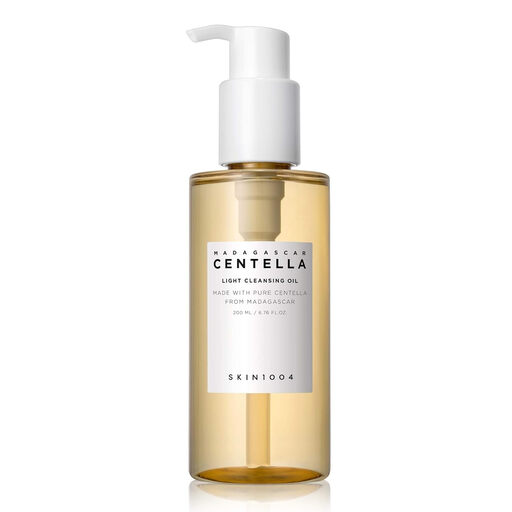
Why This Fits Their Persona: A 200 ml pump bottle and lightweight texture suit shoppers building a straightforward evening routine without choosing a heavy balm.
Its listed directions explain dry application, water emulsification and thorough rinsing, helping avoid the common mistake of applying oil to a wet face.
Contains sunflower seed oil, glycerin and Centella Asiatica extract; the formula is listed as free from mineral oil.
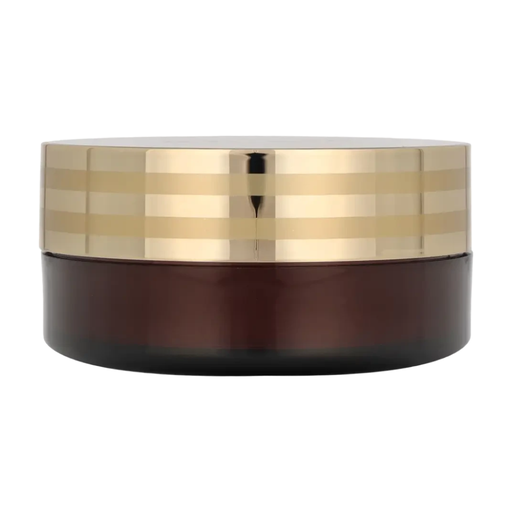
Why This Fits Their Persona: The balm-to-oil-to-milk texture offers a more substantial, sensory routine for evening makeup and sunscreen removal.
The three-stage texture gives a visible cue for massaging, adding water and rinsing rather than relying on vague “deep clean” wording.
The listed formula includes 25% safflower seed oil and is designed to remove long-wear and waterproof makeup.
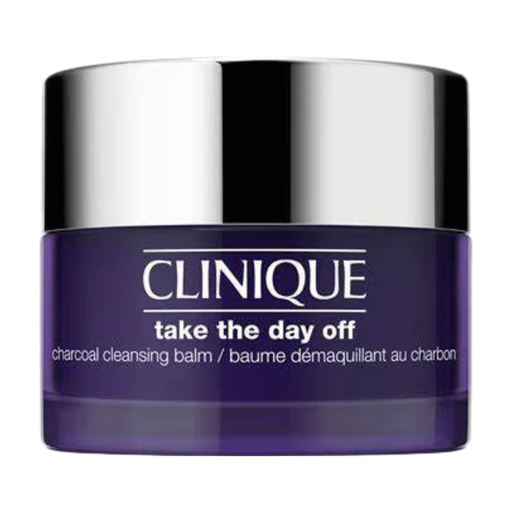
Why This Fits Their Persona: The smaller 30 ml format is practical for trying a balm cleanser or keeping in a travel washbag.
The product is listed as fragrance-free, non-greasy and non-drying, making the ingredient and finish claims easier to assess.
The balm changes to an oil during massage and is listed as suitable for all skin types, including sensitive skin.
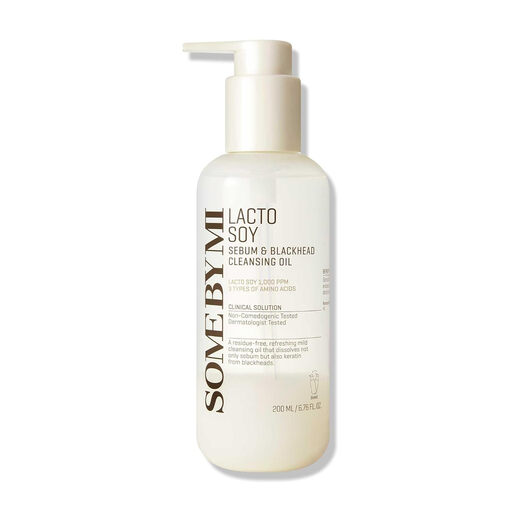
Why This Fits Their Persona: Its stated focus on sebum and blackhead-prone areas may appeal to shoppers who regularly wear sunscreen or makeup and want a targeted first cleanse.
The instructions specify shaking the two-layer formula, gentle 30–60 second massage and full emulsification, reducing guesswork during use.
The ingredient list includes lactobacillus/soymilk ferment filtrate, silica and several plant oils; the listing describes it as free from artificial fragrance.
We have compiled a complete, real-time list of products that fully satisfy these strict selection criteria and UK safety regulations.
Do not use an oil or balm on broken, inflamed or irritated skin. Avoid direct eye contact, rinse immediately if contact occurs and discontinue use if redness, itching or burning develops.
Both can work because oil-based formulas help loosen oil-soluble makeup and sunscreen. A balm may feel more cushioning during massage, while a liquid oil spreads quickly. Check the individual directions rather than relying on the format alone.
Not necessarily. Double cleansing can be useful after waterproof makeup, high-factor sunscreen or significant outdoor exposure. If you have only used light products, one suitable cleanser may be sufficient. Adjust according to how your skin feels rather than cleansing repeatedly.
Shelf life varies by formula, packaging and frequency of use. Follow the open-jar symbol, expiry information and storage instructions on the packaging. Keep pump bottles closed and prevent water entering balm jars. A 200 ml oil generally offers more individual uses than a 30 ml travel-sized balm, but the amount used per cleanse also matters.