
24/7 Customer Support

Free returns

Same-day & Next-day Delivery

Quality Guaranteed

Unlock Your Welcome Offers: FREE Delivery | Up to 80% OFF | Free 30-day JoyPlus trial
Download the APP
As a Joybuy Product Recommendation Officer, my role is to help you navigate the crowded market of everyday essentials. When it comes to cleansing wipes, the convenience is undeniable, but so are the potential pitfalls. From packs that dry out halfway through to claims that don't quite hold up, it's easy to feel like you're not getting what you paid for. This guide will help you sidestep the common traps and identify the features that truly matter for your family's needs.
Before you add a pack to your basket, be aware of these frequent issues that can lead to disappointment and wasted money:
To ensure you're getting a product that performs as expected, focus on these three core parameters.
The material of a wipe determines its softness, strength and environmental footprint. Most high-quality wipes are now made from plant-based fibres like cellulose or bamboo, which are much softer on the skin than older, synthetic-heavy materials.
If environmental impact is a concern, look for biodegradable wipes. However, be specific. Check if the packaging states how and how long it takes to biodegrade. Some require industrial composting facilities, which are not accessible to everyone, while others can break down in home compost conditions. A product made from 100% plant-based fibres is a good starting point.
The liquid solution is what does the cleaning. For general use, and especially for babies or sensitive facial skin, a simple formulation is often better.
Not all wipes are created equal. Using the right type for the job ensures better results and value.
Based on these practical criteria, here are some recommended options tailored to different needs and lifestyles.
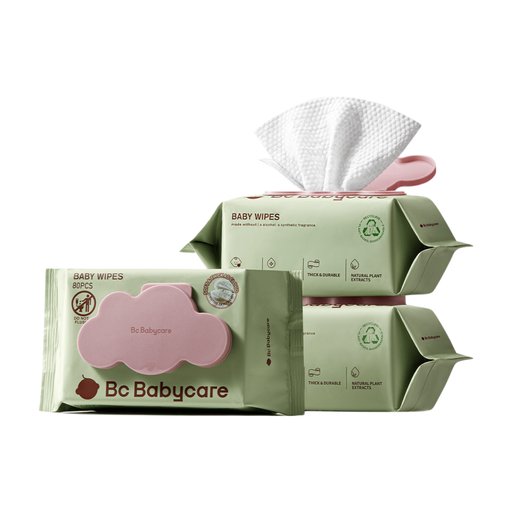
Why This Fits Their Persona: Ideal for UK parents who need a reliable, gentle and safe wipe for daily use. The formula is based on 99% purified water, making it suitable for the most delicate newborn skin during nappy changes or for cleaning messy hands and faces.
It bypasses the vague "sensitive" claim by being OEKO-TEX certified, which verifies it's free from harmful substances. The unscented, water-based formula minimises the risk of irritation.
The material is described as three times thicker than many standard wipes, providing durability and softness, so it won't tear during use. The wipes are also made from 100% biodegradable plant fibres.
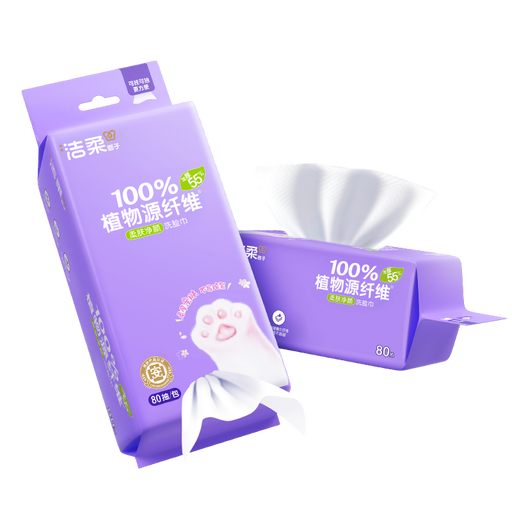
Why This Fits Their Persona: Perfect for those in the UK looking to replace traditional face flannels with a more hygienic, single-use option. These large, dry facial cleansing towels can be used for face washing, makeup removal or general skincare without the risk of bacterial build-up found on reusable cloths.
As a dry towel, it completely eliminates the "dry-out dilemma." It also avoids the ingredient sensitivity trap, as you control what you add to it—be it plain water or your preferred facial cleanser.
Made with hydro-entanglement technology, the plant-based fibres are strong, absorbent and lint-free, meaning they won't fall apart or leave residue on your skin when wet.
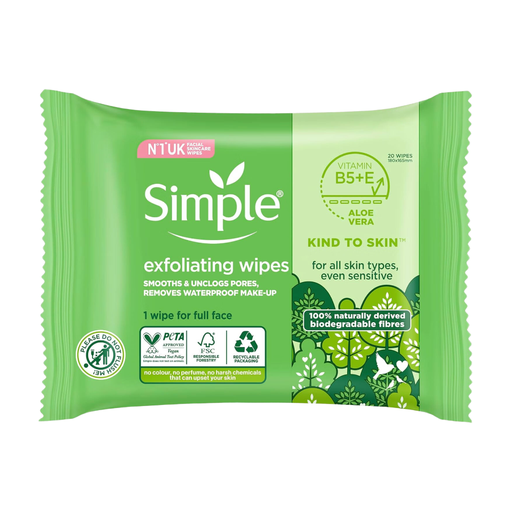
Why This Fits Their Persona: A great choice for the environmentally aware individual who needs an effective makeup remover wipe after a long day. It combines cleansing with gentle exfoliation to unclog pores, all while being mindful of its environmental impact.
It provides a clear and verifiable environmental claim: the wipes are made from plant-based fibres that biodegrade in 42 days under home and industrial composting conditions, avoiding vague "eco-friendly" marketing.
The double-sided texture offers both a smooth side for gentle cleansing and a textured side for exfoliation. The formula is hypoallergenic and free from artificial perfume, colour and harsh chemicals.
We have compiled a complete, real-time list of products that fully satisfy these strict selection criteria and UK safety regulations.
Many are not. To be considered safe for UK plumbing, a wipe should disintegrate quickly in water. Look for products that explicitly state they are certified by an independent body like the IWSFG. As a rule, it is always safest to dispose of wipes in a bin. Never flush wipes that are not clearly marked and certified as flushable and even then, only flush one at a time.
Baby wipes are designed primarily for gentleness. They typically have a very simple, water-heavy and hypoallergenic formula to clean delicate skin without causing irritation. Makeup remover wipes are formulated with specific cleansing agents (like micellar water or gentle oils) designed to break down and lift away cosmetics, oils and impurities from the face. While you could use a baby wipe on your face, it may not be effective at removing stubborn or waterproof makeup.
Firstly, always choose packaging with a sturdy, click-shut plastic lid over a simple adhesive film, as the film quickly loses its stickiness. Secondly, store the pack upside down. This allows gravity to pull the moisture downwards, keeping the top wipe ready for use. For long-term storage or travel, placing the pack inside a resealable plastic bag can provide an extra layer of protection against drying out.