
24/7 Customer Support

Free returns

Same-day & Next-day Delivery

Quality Guaranteed

Unlock Your Welcome Offers: FREE Delivery | Up to 80% OFF | Free 30-day JoyPlus trial
Download the APP
Tackling a pile of creased laundry can feel like a never-ending chore. For years, the traditional iron and board have been the default solution, but modern living demands more flexible options. Whether you're in a compact city flat, a busy family home or constantly on the move, finding the right tool to keep your clothes looking sharp is key.
This guide is designed to help you navigate the choices. We'll compare the classic ironing board setup with the increasingly popular clothes steamer, breaking down the practical considerations to help you find the perfect fit for your space, wardrobe and lifestyle.
Before deciding, consider what you truly need from your garment care tools. The debate of clothes steamer vs iron often comes down to three key factors.
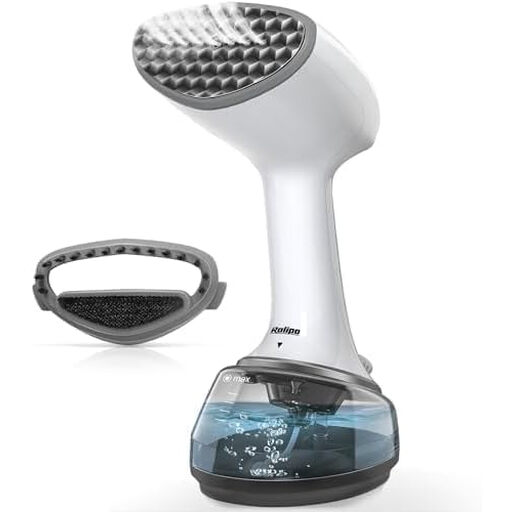
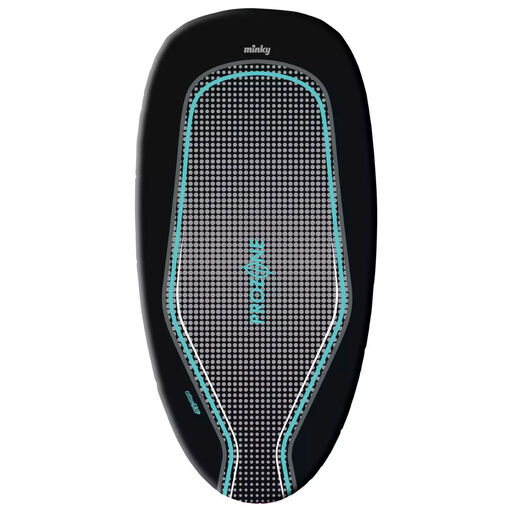
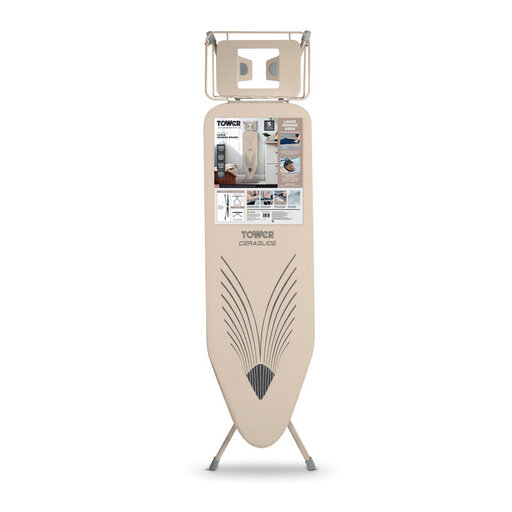
Your living situation is a primary consideration. A large ironing board offers a generous surface for tackling bedding or multiple shirts at once, but requires significant storage space. If you're short on room, a table top ironing board provides a stable surface without the large footprint, easily stowed in a cupboard or under a bed. For the ultimate space-saver, a handheld garment steamer requires no board at all and can be stored in a drawer, making it an excellent choice for university halls, studio flats and clutter-free homes.
Think about the clothes you wear most often. Irons use direct heat and pressure, which is ideal for creating sharp, crisp creases on cotton shirts, linen trousers and denim. A clothes steamer, on the other hand, uses hot vapour to relax fabric fibres. This makes it a gentler and often faster wrinkle remover for clothes made from delicate materials like silk, chiffon and wool, which can be damaged by an iron's direct heat.
How do you approach laundry day? If you prefer to iron in large batches, the stability and size of an adjustable ironing board is hard to beat. It allows you to work through a whole load comfortably. However, if your routine involves last-minute touch-ups before work or a night out, a handheld garment steamer is far more efficient. It heats up in under a minute, allowing you to de-wrinkle a single garment on its hanger and be out the door. For frequent travellers, a portable travel steamer is an indispensable tool for refreshing packed clothes.
Based on common needs and living situations across the UK, we've selected a few standout options that offer practical solutions for keeping your garments crease-free.
If your current ironing board is still in good shape but the surface is worn, a new cover can significantly improve your results. A fresh, smooth surface helps heat distribute evenly and prevents snagging.
Explore our collection of high-quality ironing cloth covers to give your board a new lease of life.
Neither is definitively "better"—they serve different purposes. An iron is superior for achieving sharp creases and tackling heavy fabrics like stiff cotton and linen. A clothes steamer is better for delicate fabrics (silk, velvet), refreshing clothes between washes and for items that are difficult to iron, like blazers with lining or pleated skirts. For speed and convenience on lightly wrinkled items, a steamer often wins.
For many people, yes. If your wardrobe consists mainly of casual wear, knitwear and delicate fabrics, and you don't require razor-sharp creases, a powerful handheld garment steamer can handle all your de-wrinkling needs. However, if you regularly wear formal business shirts or tailored linen, you will likely still want an iron for that crisp, pressed finish.
For best results, hang the garment on a hanger. Hold the fabric taut at the bottom with one hand and pass the steamer over the material with the other, moving in a top-to-bottom motion. Keep the steamer head lightly touching or just above the fabric. The steam will relax the fibres and the wrinkles will fall out. Always check the garment's care label first and ensure your steamer is used with the correct type of water (usually distilled or de-ionised) to prevent mineral buildup.