
24/7 Customer Support

Free returns

Same-day & Next-day Delivery

Quality Guaranteed

Unlock Your Welcome Offers: FREE Delivery | Up to 80% OFF | Free 30-day JoyPlus trial
Download the APP
As a Joybuy Product Recommendation Officer, my role is to help you navigate the crowded market of home essentials. When it comes to reclaiming space in your wardrobe or preparing for a move, clothing storage bags seem like a simple solution. Yet, many UK households find themselves with split seams, failed seals and items no better protected than before.
Before you buy another set of bags that disappoint, let’s look at the common issues that lead to wasted money and how to identify a product that will actually do the job.
Many products make bold claims, but fail on basic design principles. Here are the three most frequent problems we see:
To avoid these traps, focus on a few key specifications. Getting these right is the difference between a lasting solution and a temporary fix.
The material dictates the bag's durability and purpose.
A bag is only as good as its seal.
Finally, match the bag’s shape to its intended use.
Based on these practical criteria, here are a few options from our catalogue, matched to different user needs.
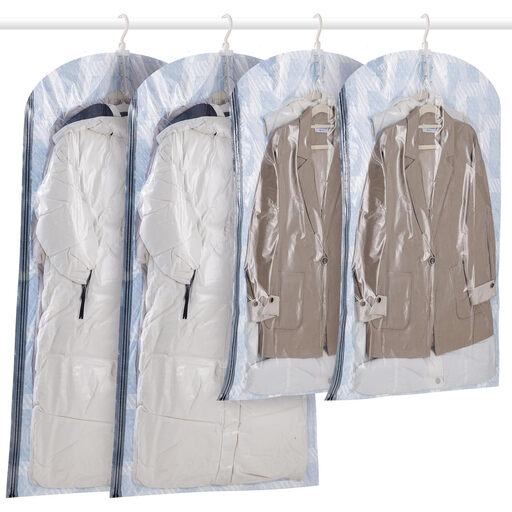
Why This Fits Their Persona: Living in a city flat with limited wardrobe space, this user needs to store bulky winter coats and jackets to make room for their current season's attire. The hanging format means they can compress items directly on the rail, saving up to 80% of vertical space.
It uses a durable PA+PE material to resist punctures and a dual-colour zipper for a confirmed seal, tackling material degradation and zipper failure. The patented air valve is designed for compatibility with standard vacuum cleaners.
Includes a five-ring hook system to hold multiple garments in one bag. The pack contains both long and medium sizes, accommodating everything from overcoats to jackets.
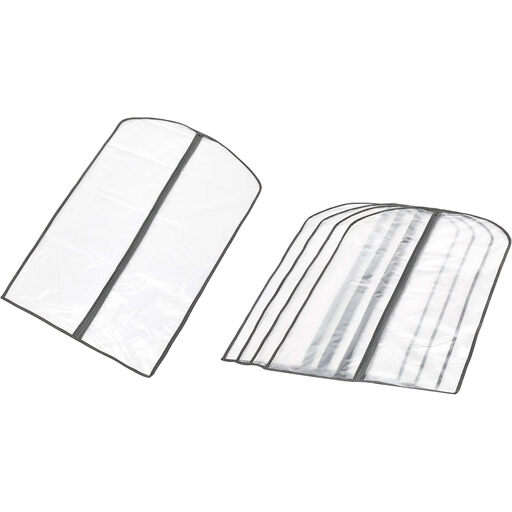
Why This Fits Their Persona: This user isn't just trying to save space; they want to protect suits, occasion dresses and seasonal wear from dust and dampness in the loft or at the back of the wardrobe. Visibility is key, so they can identify garments without unzipping everything.
By using thickened PEVA material, it avoids the brittleness and tearing common in cheaper non-woven or thin plastic bags. The simple, sturdy zipper is reliable for its purpose—keeping dust out—without the complexities of a vacuum seal.
The translucent design allows for quick identification of contents. Being water-resistant, it offers good protection against ambient moisture or accidental spills.
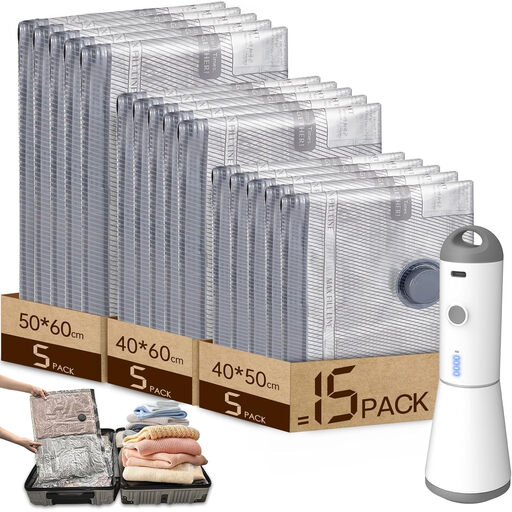
Why This Fits Their Persona: This user needs to maximise luggage space for holidays or compress bedding and clothing for a house move. They can't rely on having a vacuum cleaner handy. A portable, all-in-one solution is essential.
This kit completely solves the "incompatible valve" problem by including its own wireless, rechargeable pump. The double-layer zip seal provides a secure closure, and the tear-resistant material is built for the rigours of travel.
The portable pump is compact enough for luggage and removes air in around 30 seconds. The 15-pack includes three different sizes for versatile packing.
We have compiled a complete, real-time list of products that fully satisfy these strict selection criteria and UK safety regulations.
A good quality bag made from a PA+PE blend with a secure double-zip seal should remain compressed for several months. If you find a bag reinflates within a few days, it is almost always due to an imperfect seal or a microscopic puncture. To ensure a good seal, always slide the provided clip along the zipper 2-3 times.
Yes, most modern storage bags are designed to be reusable clothes bags. Durability varies by material. PA+PE bags are generally the most robust for repeated vacuuming. To extend their life, handle them with care, avoid contact with sharp objects (like buckles or zips on clothing) and ensure they are completely clean and dry before folding them away for storage.
Hanging garment bags that use vacuum compression are an excellent tool for saving space. They are particularly effective for bulky but resilient items like puffer jackets, ski wear and duvets. For structured garments like tailored blazers or delicate fabrics, it is advisable not to compress them to the absolute maximum or to leave them compressed for more than one season at a time to help preserve their shape. The vertical hanging position itself is better for preventing creases than folding.