
24/7 Customer Support

Free returns

Same-day & Next-day Delivery

Quality Guaranteed

Unlock Your Welcome Offers: FREE Delivery | Up to 80% OFF | Free 30-day JoyPlus trial
Download the APP
Dealing with your cat’s litter box is a daily reality, but it doesn’t have to be an unpleasant one. The right clumping cat litter can make all the difference, transforming a chore into a simple task. Many cat owners in the UK struggle with common issues like persistent odours that linger in the home, clouds of dust during pouring and scooping and frustrating litter trails on floors and furniture.
Choosing a litter isn't just about what your cat prefers; it's about finding a solution that keeps your home clean, fresh and healthy for everyone. This guide is designed to help you navigate the options, from traditional clay to modern plant-based alternatives, so you can find a high-performing litter that suits your needs.
With so many types available, focusing on a few key factors can simplify your decision. Here’s what to consider when selecting a litter for your home.
The material is the single most important factor, as it determines clumping ability, weight, dust levels and disposal methods.
A clean-smelling home is a top priority for most cat owners. Odour control is achieved in several ways: some litters use fragrances, while others rely on the natural properties of materials like activated carbon to trap and neutralise ammonia smells at a molecular level.
Equally important is finding a dust-free cat litter. Low-dust formulas are better for the respiratory health of both cats and humans, especially those with sensitivities or allergies. They also contribute to a cleaner home by reducing the fine particle residue that can settle on surfaces.
Your specific living situation plays a role. A cat litter for multi-cat households requires exceptional clumping strength and odour control to handle increased use. In these cases, a bulk buy cat litter can be a practical and cost-effective choice.
Finally, consider clean-up. While most litters must be binned, some plant-based options are designed to be flushable. If this is a feature you value, always check the product's instructions and flush only small amounts at a time to prevent plumbing issues.
Based on key features like material, odour control and user convenience, here are some standout options available in the UK.
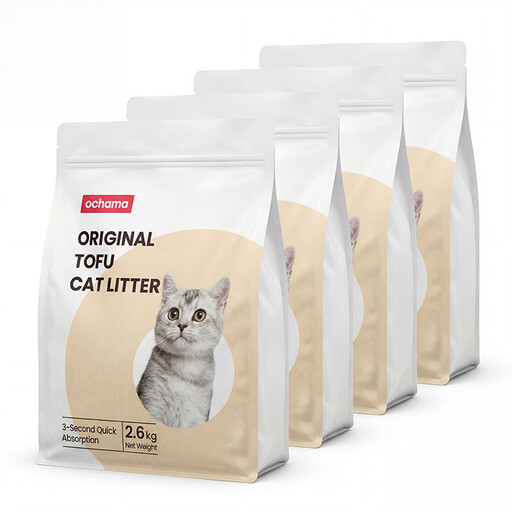
Why It Stands Out: A natural, plant-based option that is lightweight, low-dust and conveniently flushable for simple and hygienic clean-ups.
Pros:
Who is it for: Cat owners seeking an eco-conscious, natural cat litter that is virtually dust-free and easy to dispose of. It's an excellent choice for those with sensitivities to dust or chemicals.

Why It Stands Out: This bentonite clay cat litter offers powerful odour-neutralising performance, making it a strong contender for demanding environments.
Pros:
Who is it for: Owners who prioritise maximum odour elimination above all else. It's a great fit for multi-cat homes or anyone who prefers the solid clumping action of traditional clay.
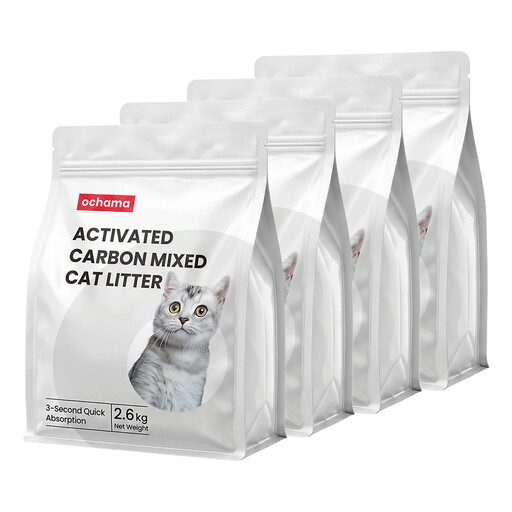
Why It Stands Out: A sophisticated hybrid litter that combines the benefits of tofu, bentonite and activated carbon for a balanced approach to clumping, odour control and texture.
Pros:
Who is it for: Cat owners who want a multi-faceted solution—the natural, flushable aspect of tofu combined with the powerful clumping and odour-fighting properties of bentonite and activated carbon.
If these specific recommendations don't quite match your needs, or if you're interested in exploring a wider variety of textures and materials, we have more to see. Browse our full collection of cat litter pellets to find the perfect fit for your feline friend.
For most owners, yes. Clumping litter forms solid lumps around urine and faeces, which can be scooped out daily. This leaves the remaining litter clean and extends its lifespan. Non-clumping litter absorbs urine but doesn't form clumps, meaning the entire box must be emptied and refilled more frequently to maintain hygiene.
This depends entirely on the material. Most bentonite clay cat litter is not flushable and will harden like cement in your pipes, causing severe blockages. However, some natural cat litter options, like those made from tofu, are specifically designed to be a flushable cat litter. Always check the packaging for disposal instructions and only flush small clumps one at a time. When in doubt, it is always safest to dispose of it in your household waste.
With daily scooping of all clumps and solids, a full litter box change is typically needed every 2-4 weeks. This can vary based on the number of cats using the box, the quality of the litter and your cat's habits. Consistent daily scooping is the key to maximising the life of the litter and maintaining effective odour control.