
24/7 Customer Support

Free returns

Same-day & Next-day Delivery

Quality Guaranteed

Unlock Your Welcome Offers: FREE Delivery | Up to 80% OFF | Free 30-day JoyPlus trial
Download the APP
Clumping cat litter can make daily tray cleaning more manageable, but the wrong formula may create extra dust, weak clumps and lingering odours. UK cat owners also need to consider storage space, disposal rules and whether their cat accepts scented or plant-based granules.
Marketing descriptions can make similar products sound identical. Before buying, look beyond phrases such as “powerful odour control” or “fast clumping” and check the material, recommended depth, pack size and disposal instructions.
A litter may form a clump quickly but still crumble when lifted. Broken clumps leave wet material behind, which can stick to the tray base and increase waste. Look for clear instructions on the recommended litter depth and scoop clumps regularly before they break apart.
Scented litter can make a room smell more pleasant, but fragrance does not necessarily mean that moisture and odours are being contained effectively. Some cats may also avoid a tray with a noticeable scent. If your cat is scent-sensitive, an unscented cat litter with absorbent or deodorising ingredients may be more suitable.
Clay and plant-based litter can produce fine particles when poured, scraped or kicked around. Descriptions such as “low dust”, “nearly dust-free” or “virtually dust-free” should be treated as product characteristics rather than a guarantee that no dust will occur. Pour slowly, ventilate the area and store bags in a dry place.
Bentonite cat litter is a mineral-based option known for forming cohesive clumps. It is often suitable for owners who prioritise easy scooping and familiar tray maintenance, although weight and dust levels vary between formulas.
Natural cat litter can include wood fibre, tofu, cassava, tapioca or corn. Plant-based options are often lighter to carry and may appeal to households looking for renewable material choices. However, absorption, tracking and clump strength differ, so check the ingredient list rather than relying on the word “natural” alone.
Some mixed formulas combine mineral and plant ingredients. For example, cassava or tofu may be paired with bentonite or deodorising granules to balance clumping and odour control.
For an easy-scoop cat litter, check whether the product specifies fast or firm clumping and follow the suggested depth. Many products recommend between 5 and 10cm, depending on the formula. Too little litter may allow urine to reach the tray base, while too much can make the box harder to clean and increase consumption.
Daily removal is important for both single-cat and multi-cat homes. Keep the remaining litter topped up to the recommended level and wash the tray periodically with mild household detergent, rinsing it thoroughly before refilling.
If you are comparing low-dust cat litter, inspect the product details for dust-reduction claims and granule descriptions. Fine granules may feel soft under paws but can track more easily, while larger particles may reduce tracking but feel different to some cats.
For odour control cat litter, compare whether the formula uses clay absorption, baking soda, activated carbon, herbal ingredients or odour-neutralising agents. These features describe the composition; they are not a substitute for regular scooping and tray cleaning.
Do not assume that flushable cat litter is suitable for every UK drainage system. Even when a product states that small clumps can be flushed, follow the packaging instructions and local water or waste guidance. Mineral clumping litter should generally be placed in sealed household waste. Plant-based products may have different disposal instructions, but large quantities should not be flushed.
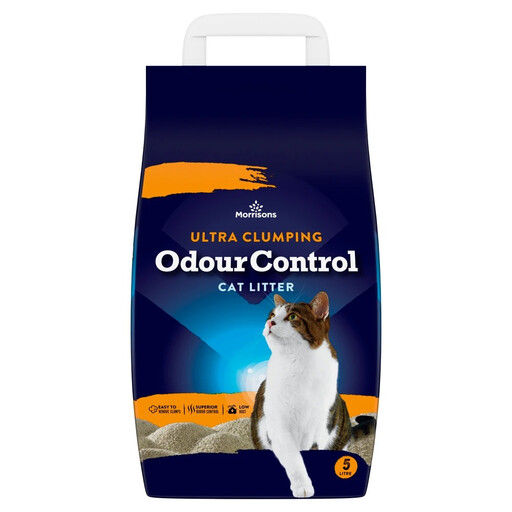
Why This Fits Their Persona: A manageable 5-litre pack suits first-time buyers, smaller flats and owners who prefer to store less litter at home.
The description specifies easy-to-remove clumps, low dust and odour control, rather than relying on fragrance alone.
Natural clay material; recommended 5–7cm tray depth; daily scooping instructions are provided.
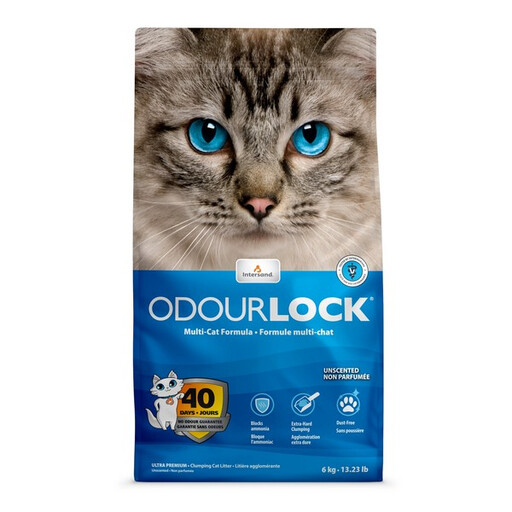
Why This Fits Their Persona: The 6kg format is practical for a single indoor cat, particularly where storage space is limited and quick daily cleaning matters.
Its listed low-dust and fast-clumping features address two common complaints: airborne particles and clumps that fall apart during scooping.
Natural clay; moisture-activated fragrance; suggested 5–7cm depth and regular clump removal.
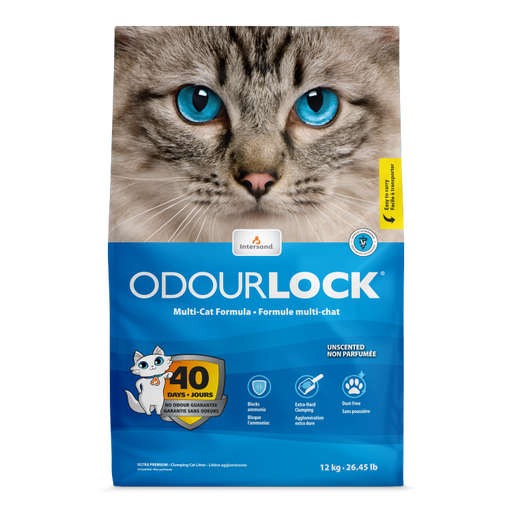
Why This Fits Their Persona: A larger pack can suit multi-cat litter routines or owners who want fewer shopping trips, provided they have a dry storage area.
The pack information sets out low-dust, non-tracking and fast-clumping characteristics, while the directions specify regular cleaning rather than promising maintenance-free use.
12kg capacity; natural bentonite clay; recommended 7–10cm depth; do not flush used clumps.
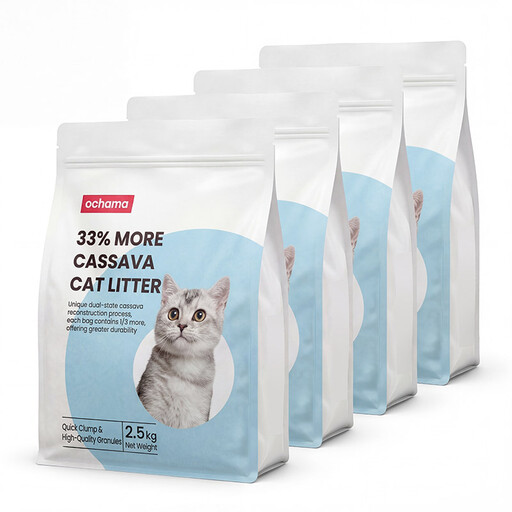
Why This Fits Their Persona: This plant-based, unscented option is suited to owners who want separate smaller bags and a formula without added fragrance.
The listed ingredients are tapioca starch, corn starch, herbal fibre, guar gum and baking soda, with no added fragrance; the product is described as nearly dust-free rather than guaranteed dustless.
10kg total across four bags; unscented; tapioca-based clumps designed not to stick to the tray base.
We have compiled a complete, real-time list of products that fully satisfy these strict selection criteria and UK safety regulations.
Most products recommend around 5–10cm, but the exact depth depends on the formula. Follow the pack instructions, spread the litter evenly and maintain the depth after daily scooping. A suitable depth helps liquid clump before it reaches the tray base.
Remove solid waste and urine clumps every day. Top up as needed, then empty and wash the tray at intervals specified by the product instructions. Usage depends on the number of cats, tray size and how often the litter is scooped.
Cost depends on pack price, absorption, waste and how much litter is removed with each scoop. Plant-based products may be lighter to carry, while some flushable tofu or wood formulas can simplify disposal. Before flushing, check the product label and local UK wastewater guidance; never flush large amounts or mineral clumping litter.